실리콘 vs. 브리슬 페이셜 클렌징 브러시: 어느 것이 더 좋을까

한나 엘리제 슈나이더 박사
한나 엘리제 슈나이더 박사

The answer depends almost entirely on your skin type and cleansing goals. Silicone facial cleansing brushes are superior for daily use, sensitive skin, and long-term hygiene; bristle brushes deliver more intensive mechanical exfoliation that oily or resilient skin types may benefit from. Neither option is universally better—but for most people, silicone is the safer, more versatile starting point.

If you’ve spent any time researching powered facial cleansing devices, you’ve encountered this debate. Both brush types have vocal advocates, and both are grounded in legitimate dermatological reasoning. This guide cuts through the noise with a rigorous, category-by-category comparison so you can make a decision based on evidence—not marketing claims.
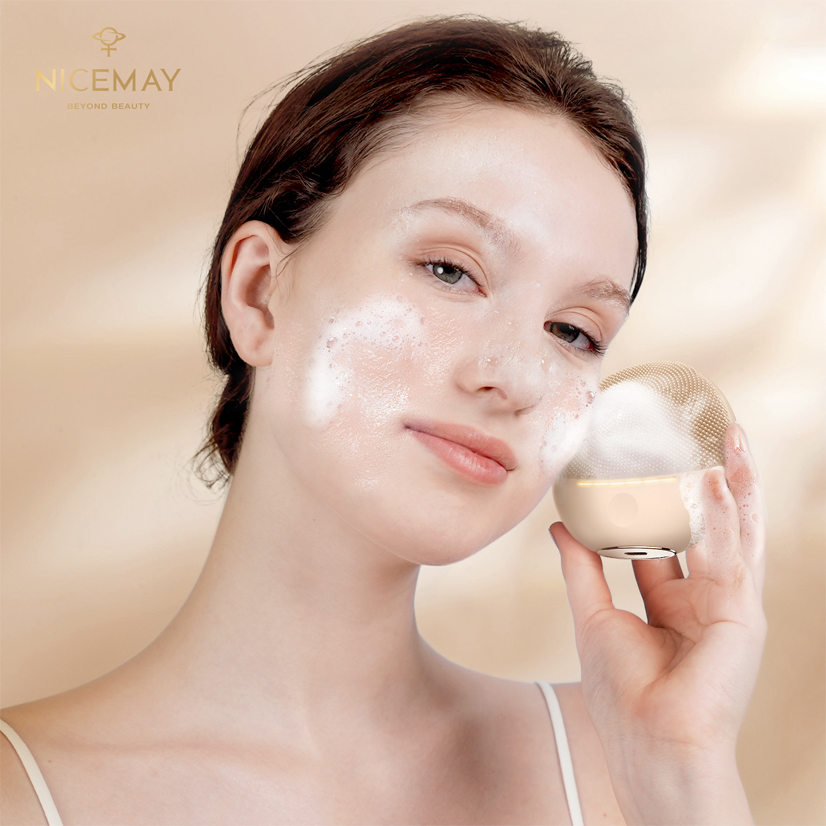
실리콘 vs 모 페이셜 클렌징 브러시

Silicone vs. Bristle Cleansing Brush: At a Glance

Choose Silicone If…

You prioritize gentleness and hygiene

  • Sensitive, dry, or reactive skin
  • Acne-prone or easily irritated skin
  • You want daily or near-daily cleansing
  • Low-maintenance device preferred
  • Rosacea or compromised skin barrier

Choose Bristle If…

You need deeper exfoliation

  • Oily or thick-textured skin
  • Stubborn congestion or enlarged pores
  • Skin tolerates regular exfoliation well
  • Deeper mechanical action desired
  • Budget-conscious (entry price often lower)

Material Science: How Silicone and Bristle Heads Differ at a Structural Level

Before comparing performance outcomes, it’s worth understanding the fundamental material differences that drive every other distinction in this comparison.

Silicone Brush Heads: Non-Porous by Design

의료용 실리콘—the material used in the touchpoints of most quality cleansing devices—is a cross-linked polymer with an intrinsically non-porous surface structure. This means it has no microscopic channels or fiber intersections where moisture, cleanser residue, or skin cells can accumulate. The surface is inherently hydrophobic when dry, which accelerates water runoff and discourages microbial colonization. These properties are not achieved through antibacterial coatings or treatments; they are inherent to the material’s molecular architecture.

The cleaning action of a silicone brush head relies on the precise geometry of its touchpoints—typically soft nubs, ridges, or micro-bristle arrays—which are molded rather than assembled. This means every touchpoint maintains its exact shape and function across hundreds of uses, with no degradation in the mechanical characteristics that determine how the device interacts with skin.

Bristle Brush Heads: Textured but Porous

Traditional facial cleansing brush heads use densely packed nylon bristles—typically 0.01–0.05 mm in diameter—set into a brush base. Unlike silicone, nylon is a semi-porous fiber that retains moisture within its structure and creates a complex micro-environment between fibers where dead skin cells, cleanser, and sebum can accumulate even after rinsing. Research published in microbiology literature has documented that cosmetic brush fibers can harbor multiple bacterial genera after as few as four weeks of use, even with daily rinsing.

Bristle heads also experience progressive structural change with use. The tips of fine nylon fibers splay and soften over time, altering both the exfoliation profile and the mechanical contact pattern on skin. This is why replacement every 2–3 months is the standard recommendation—not just for hygiene, but because a worn bristle head performs differently than a new one.

Head-to-Head: Silicone vs. Bristle Cleansing Brush Across Every Key Category

Category 실리콘 Bristle
Hygiene (Silicone Wins) Non-porous; resists bacterial buildup; dries quickly; can be sanitized with alcohol Semi-porous nylon retains moisture; fiber intersections harbor bacteria; requires replacement every 2–3 months
Exfoliation Depth (Bristle Wins) Gentle to moderate; well-suited to daily surface cleansing; less risk of barrier disruption Moderate to deep; superior removal of stubborn dead skin cells and congestion; can over-exfoliate if misused
Skin Barrier Safety (Silicone Wins) Low barrier disruption risk; maintains TEWL balance with correct use Higher barrier disruption risk with daily use or excess pressure; can compromise acid mantle over time
Sensitive Skin Compatibility (Silicone Wins) Ideal; sonic silicone devices are among the few cleansing tools recommended for reactive skin types Generally unsuitable; bristle texture can trigger inflammation and micro-tears in reactive or thin skin
Longevity (Silicone Wins) Head lasts 6–12+ months with proper care; no structural degradation Head requires replacement every 2–3 months; bristle splaying changes performance over time
Pore Cleansing Efficacy Effective via fluid dynamics and sonic agitation; especially with gel cleansers High; rotational motion physically dislodges congestion from pore openings
Technology Type Predominantly sonic vibration (200–300+ pulsations/min) Predominantly rotational or oscillating motor
Maintenance Burden Minimal; rinse and air-dry; monthly alcohol wipe Moderate; thorough rinsing essential; regular replacement required
Cost Over Time Lower; longer head lifespan reduces recurring cost Higher; replacement head cost adds up over 12 months of use

Hygiene and Bacterial Risk: The Most Clinically Significant Difference

Hygiene is arguably the most consequential differentiator between silicone and bristle cleansing brushes—particularly for those using their device to address acne or congestion, where introducing bacteria to the skin surface can actively worsen outcomes.

Why Bristle Brushes Accumulate Bacteria Faster Than You Think

The structure of a densely packed bristle head creates ideal conditions for microbial growth: moisture is retained between fibers after rinsing, residual cleanser and skin cells provide organic material for bacteria to feed on, and the warm, humid environment typical of bathrooms accelerates colonization. Studies examining cosmetic brushes—including facial cleansing tools—have detected colonization by bacteria such as Staphylococcus epidermidis and, in some cases, opportunistic pathogens, after relatively short periods of use. Even bristle heads rinsed immediately after each session can develop problematic microbial loads within weeks.

The recommended replacement interval of every 2–3 months is therefore not conservative industry guidance—it reflects the actual rate at which bristle heads accumulate contamination that thorough rinsing cannot fully address.

Silicone’s Structural Hygiene Advantage

Silicone brush heads bypass the hygiene problem almost entirely through material properties rather than maintenance discipline. Without pores or fiber intersections to harbor debris, there are no structural features that support bacterial colonization at the same rate. After use, a silicone head rinsed under running water and allowed to air-dry returns to a hygienic state that a bristle head cannot match without replacement. For anyone with acne-prone skin, this distinction alone may be decisive.

For acne-prone skin specifically, introducing a contaminated bristle brush to an already compromised skin environment can spread bacteria from affected areas to unaffected ones—a risk that silicone’s non-porous surface effectively eliminates.

Exfoliation Performance: Where Bristle Brushes Hold the Advantage

Despite silicone’s many structural advantages, bristle brushes maintain a meaningful edge in raw exfoliation depth—and for certain skin types, that edge is clinically relevant.

How Bristle Exfoliation Differs from Silicone

The fine tips of nylon bristles create a higher contact-pressure-per-unit-area than the broader, softer silicone nubs found on most sonic devices. When a bristle brush head rotates or oscillates against the skin surface, those concentrated tip contacts generate more localized friction—which translates into more aggressive disruption of cohesive bonds between 각질층 cells. This is precisely the mechanism that makes bristle brushes more effective at shifting stubborn texture, reducing visible surface roughness, and clearing the kind of deep-seated congestion that appears as persistent blackheads in dilated pores.

For oily skin types—where sebum overproduction leads to thicker, more adherent buildup on the skin surface—this deeper mechanical action can produce visible improvements in pore appearance and skin texture that a gentler silicone device may not fully achieve.

The Exfoliation Trade-Off: Efficacy vs. Barrier Risk

The same properties that make bristle brushes more effective exfoliants also make them more capable of causing harm when used incorrectly. Over-exfoliation with a bristle brush—whether through excessive frequency, too much pressure, or use on skin that isn’t well-suited to intense mechanical stimulation—disrupts the skin barrier’s lipid matrix, elevates transepidermal water loss, and can trigger chronic low-grade inflammation. Signs of over-exfoliation include persistent redness, tightness after cleansing, increased sensitivity to previously tolerated products, and paradoxically worsening skin texture.

Bristle brush users should limit sessions to 3–4 times per week maximum, apply zero additional manual pressure, and temporarily pause use if the skin shows any signs of sensitivity or barrier compromise. The brush provides all necessary exfoliation force on its own.

Silicone vs. Bristle Cleansing Brush: Recommendations by Skin Type

The most reliable way to make this decision is to match the brush type to your skin’s documented characteristics—its oil production, sensitivity level, typical reaction to exfoliation, and any diagnosed conditions.

민감성 / 반응성

실리콘
Silicone devices on low settings minimize the risk of triggering inflammation while still delivering a meaningfully deeper cleanse than hands alone.

건조 / 탈수

Bristle exfoliation on already-dry skin accelerates transepidermal water loss. Silicone provides surface cleansing without disrupting the compromised lipid barrier.

Acne-Prone

Non-porous surface eliminates bacterial transfer risk. Sonic vibration clears congestion without the mechanical spread of bacteria across the face that bristle use can cause over active lesions.

Oily / Thick-Textured

The deeper exfoliation provided by rotational bristle action is often necessary to manage excess sebum, reduce the appearance of enlarged pores, and improve surface texture meaningfully.

Normal / Combination

Normal skin can benefit from either type depending on goals. Combination skin may benefit from a hybrid approach: silicone on drier zones, bristle on the T-zone only.

주사 / 습진

Consult a dermatologist before using any powered cleansing device on rosacea or eczema-affected skin. If cleared for use, silicone on the lowest sonic setting is the only appropriate option.

If sensitive skin is your primary concern, our independently tested review rounds up the most effective options currently available: 민감한 피부를 위한 최고의 페이셜 클렌징 브러시—a carefully curated guide covering devices tested specifically on reactive, easily irritated skin types.

MR-2369

MR-2631

MR-2269

Silicone Cleansing Brush Pros and Cons

Advantages of Silicone Brushes

  • Non-porous; resists bacterial buildup structurally
  • Gentle enough for daily use on most skin types
  • Head lasts significantly longer before replacement
  • Lower long-term maintenance cost
  • Works with a wider range of cleanser formulas
  • Safe for sensitive, acne-prone, and reactive skin

Limitations of Silicone Brushes

  • Less intense exfoliation than bristle counterparts
  • May not fully address stubborn congestion in oily skin
  • Quality devices tend to carry a higher upfront price
  • Silicone nub geometry varies significantly between brands

Bristle Cleansing Brush Pros and Cons

Advantages of Bristle Brushes

  • Superior mechanical exfoliation for oily/thick skin
  • Highly effective at clearing persistent congestion
  • Wide availability at various price points
  • Interchangeable heads allow for customized exfoliation intensity
  • Can deliver noticeable texture improvement in fewer sessions

Limitations of Bristle Brushes

  • Nylon fibers harbor bacteria; replacement is non-optional
  • Higher barrier disruption risk if overused or used with pressure
  • Not suitable for sensitive, reactive, or acne-prone skin
  • Bristle performance degrades progressively with use
  • Replacement head costs add up over a 12-month period
  • Risk of micro-tears with excess pressure or very fine bristles

Can You Use Both? The Case for a Hybrid Approach

For those with combination or normal skin who want both the hygiene advantages of silicone and the deeper exfoliation of bristle technology, a hybrid approach is worth considering. Several premium device manufacturers now offer brushes with interchangeable head systems—allowing users to switch between silicone sonic heads for daily cleansing and bristle heads for 1–2 intensive exfoliation sessions per week.

This approach is genuinely supported by dermatological reasoning: using a silicone head for routine cleansing keeps baseline hygiene high and the skin barrier intact, while reserving bristle use for controlled, infrequent exfoliation maximizes its benefits without the compounding risk of daily bristle exposure. If this approach appeals to you, confirm upfront that the device model you’re considering offers genuine interchangeability—not all brushes marketed as “multi-head” provide both silicone and bristle options.

For a curated, test-backed selection of today’s best silicone devices—including models with hybrid head compatibility—our full review covers what’s worth your investment: 최고의 실리콘 페이셜 클렌징 브러시 (테스트 및 리뷰), where we evaluate performance, build quality, and value across the leading options on the market.

The Verdict: Silicone vs. Bristle Facial Cleansing Brush

For the majority of people, a silicone facial cleansing brush is the stronger all-around choice. Its structural hygiene advantages, compatibility with sensitive and acne-prone skin, lower long-term maintenance burden, and gentler interaction with the skin barrier make it the more versatile and forgiving technology for everyday cleansing.

Bristle brushes earn their place for a specific use case: oily, resilient skin types that genuinely need deeper mechanical exfoliation and are willing to manage the higher maintenance requirements that come with it. Used correctly—with the right frequency, zero excess pressure, and timely head replacement—a bristle brush can deliver texture and congestion improvements that silicone devices don’t always match.

FAQs About Silicone vs. Bristle Facial Cleansing Brush

Is a silicone facial cleansing brush better than a bristle brush for everyday use?

For most people, yes. Silicone’s non-porous surface, gentler exfoliation profile, and resistance to bacterial buildup make it better suited to daily cleansing routines without risking barrier compromise. Bristle brushes are more effective for intensive exfoliation sessions but carry higher risk when used at daily frequency.

Yes, though the mechanism differs from bristle brushes. Silicone sonic devices generate hundreds of micro-pulsations per minute that create gentle friction across the stratum corneum, loosening dead cells and debris. The exfoliation is real but controlled—it is gentler than bristle exfoliation, which is precisely why it’s safer for daily use and sensitive skin types.

Every 2–3 months under normal use, or sooner if you notice visible bristle splaying, discoloration, or odor that persists after thorough rinsing. These are indicators of both structural degradation and microbial buildup that cannot be remedied by cleaning alone.

This combination requires significant caution. While oily skin can benefit from the deeper exfoliation a bristle brush provides, acne-prone skin is particularly vulnerable to bacterial transfer from a contaminated bristle head. If your skin is both oily and acne-prone, a sonic silicone device paired with a salicylic acid cleanser is typically the safer strategy that still addresses congestion effectively.

When you account for the ongoing cost of bristle head replacements, the lifetime cost gap between a premium silicone device and an affordable bristle device narrows significantly within 12–18 months of use. Beyond cost, the meaningful advantages of silicone—hygiene, longevity, barrier safety—represent genuine value, particularly for those with sensitive or acne-prone skin where using the wrong device carries real risk.

공유:
페이스북
트위터
링크드인
VK
왓츠앱
텀블러
레딧
문의할 사항이 있으신가요?

양식에 이메일을 입력해 주시면 곧 도움을 드리겠습니다!

니스메이 시작하기

아래 양식 정보를 작성해 주시고 필요한 내용을 알려주십시오. 가능한 한 빨리 답변 드리겠습니다.

NICEMAY 뷰티 기기의 최신 도매 가격 및 OEM 솔루션을 받아보세요.

고객의 요구에 따라 맞춤형 사양과 단계별 가격을 제공하며, 10분 이내에 신속하게 응답하겠습니다.