


얼굴 털 면도기 대 코 다듬기 기계: 정밀 그루밍 도구 비교

얼굴 털 관리를 할 때, 얼굴 털 면도기와 코 트리머 중에서 선택하는 것은 처음 생각보다 더 중요한 일입니다. 두 도구 모두 정당한 그루밍 목적을 위해 만들어졌지만, 전혀 다른 목표를 가지고 설계되었습니다: 하나는 깨끗한 면도를 위해 피부와 블레이드가 밀착되는 것을 우선시하는 반면, 다른 하나는 피부 표면에 블레이드가 닿지 않도록 정밀하게 털을 다듬도록 설계되었습니다.
간단한 답변은 이것입니다: 얼굴 털 면도기 는 가장 가까운 면도를 제공하는 반면, 코 트리머 (또는 전용 전기 트리머)는 거의 자극이나 상처 위험 없이 더 빠르고 안전하게 다듬을 수 있습니다. 어떤 것이 일상에 적합한지는 전적으로 피부 타입, 원하는 모습, 그리고 시간 여유에 달려 있습니다. 이 가이드는 모든 중요한 차이점을 분석하여 올바른 선택을 할 수 있도록 도와줍니다.
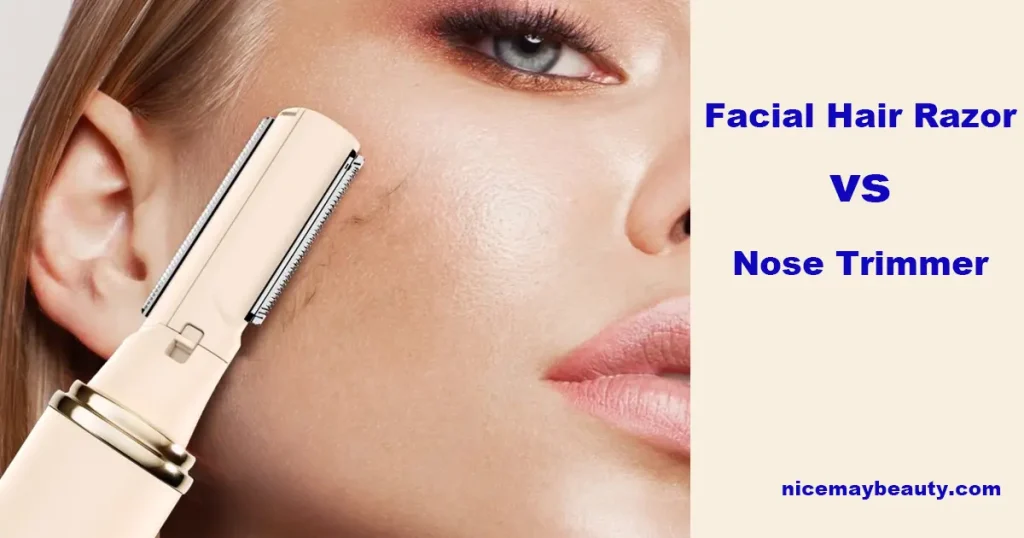
얼굴 털 면도기란 무엇인가요? 작동 원리와 기능
A 얼굴 털 면도기 — 다중 블레이드 카트리지 면도기, 안전 면도기 또는 직선 면도기 모두 — 피부선 또는 그보다 약간 아래에서 털을 자르며 제거합니다. 그 결과는 전기 또는 트리머 기반 도구로는 재현할 수 없는 아기 피부 같은 매끄러운 마감입니다. 작동 원리는 간단합니다: 날카로운 금속 블레이드를 피부에 팽팽하게 잡아당기며 쓸어내어 각 털의 뿌리 출구를 절단합니다.
얼굴 털 면도기의 종류와 주요 차이점
카트리지 면도기 (다중 블레이드)
일상 면도에 가장 흔히 사용되는 형태입니다. 일반적으로 세 개에서 여섯 개의 블레이드가 겹쳐 있어 한 번의 통과로 털을 들어올리고 자르며, 필요한 스트로크 수를 줄입니다. 카트리지는 사용 빈도에 따라 1~2주마다 교체됩니다. 다루기 쉽고 널리 구할 수 있어 대부분의 남성들이 면도 루틴을 시작할 때 실용적인 기본 선택입니다.
안전 면도기 (이중 블레이드)
단일 노출된 이중 블레이드가 보호 헤드 내에 자리 잡고 있어 절단 각도와 깊이를 제어합니다. 안전 면도기는 더 많은 기술이 필요하며 — 최적 각도는 보통 30도입니다 — 하지만 학습 곡선을 보상하며 매우 가까운 면도와 자극 없는 면도를 제공하며, 교체용 블레이드 가격이 카트리지 리필보다 훨씬 저렴하여 장기적으로 비용이 적게 듭니다.
직선 면도기
이 범주에서 가장 오래된 면도 기술로, 전통주의자들에게 여전히 높은 평가를 받고 있으며 뛰어난 제어력과 정밀도를 자랑합니다. 접이식 강철 블레이드를 매우 날카롭게 연마하여 사용자가 피부를 따라 그립니다. 이 기술은 연습과 정기적인 블레이드 연마(하모닝)가 필요하지만, 그 결과와 의식은 비할 데 없습니다. 정밀함을 중시하는 경험 많은 면도 사용자에게 적합합니다.

얼굴 그루밍을 위한 얼굴 털 면도기의 장단점
| 장점 | 단점 |
|---|---|
| 가장 가까운 면도 — 완전히 매끄러운 마감 | 절단, 긁힘, 면도날 화상의 위험 증가 |
| 날카로운 수염 경계선을 위한 높은 엣지 라인 정밀도 | 민감한 피부에 대한 높은 자극 가능성 |
| 대부분의 카트리지 모델에서 초기 비용이 낮음 | 특히 굵은 털에 내재성 모발이 생길 수 있음 |
| 안전면도기와 장기적인 비용 효율성 | 준비물로 면도 크림, 젤 또는 비누 필요 |
| 모든 모발 두께와 밀도에 작동 | 날이 무뎌지고 정기적으로 교체해야 함 |
코는 트리머가 무엇인가요? 전기 트리머 카테고리 이해하기
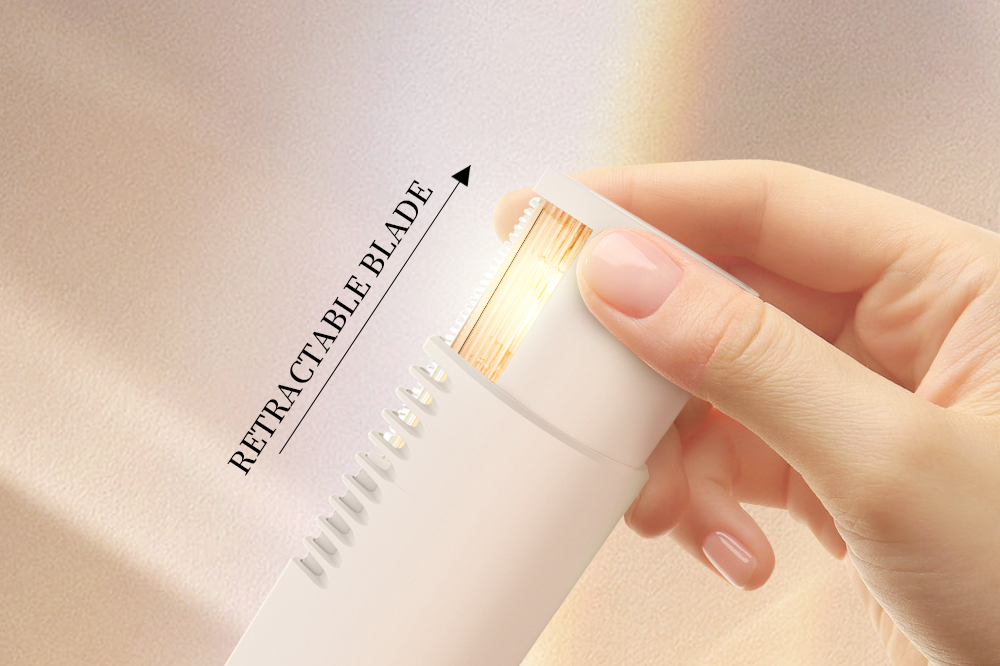
이름과는 달리, 코 트리머 현대 그루밍 맥락에서 '코 트리머'는 넓은 의미로 정밀한 얼굴 털 관리를 위해 설계된 소형 전기 트리머를 의미하며 — 코, 귀, 눈썹, 수염 주변, 심지어 전체 얼굴 수염까지 포함합니다. 핵심 기술적 차이점은 블레이드 메커니즘이 회전 또는 진동하며 보호 가드 또는 하우징 내에 완전히 감싸져 있어, 절단날이 피부에 직접 접촉하지 않는다는 점입니다.
이 설계 철학은 두 가지 직접적인 결과를 가져옵니다: 흉터나 찰과상의 위험이 사실상 없으며, 마감된 결과는 털이 피부 표면보다 약간 위에 남아 있다는 것 — 피부와 일치하지 않습니다. 이 미세한 차이점이 바로 “다듬어진” 모습과 “면도한” 모습의 차이를 구분하는 핵심입니다.
현대 전기 트리머가 얼굴 털을 다루는 방법
회전 블레이드 시스템
회전하는 내부 블레이드가 보호 외부 가드의 슬롯을 통해 들어오는 털을 자릅니다. 이 시스템은 특히 곡선 표면과 좁은 공간이 많은 코와 귀 털에 효과적이며, 평평한 면도날이 비효율적이거나 위험한 경우에 적합합니다. 회전 트리머는 조용하고 섬세한 코 점막에 부드럽게 작용하는 경향이 있습니다.
호일 스타일 및 진동 트리머 헤드
일부 전기 트리머는 얇은 금속 호일 아래에 진동하는 블레이드를 사용하며, 이는 전기 면도기와 유사한 원리입니다. 이들은 수염 트리머와 수염 자르기에 흔히 사용되며, 표준 회전 가드보다 더 가까운 다듬기를 제공하지만, 여전히 면도날과 동일한 수준의 밀착성을 제공하지는 않습니다.
조절 가능한 가드 시스템
대부분의 수염 및 얼굴 털 트리머는 계단식 길이의 빗집 부착물을 제공하며 — 일반적으로 0.5mm에서 10mm까지 — 사용자가 얼굴 전체에 일관된 수염 또는 수염 길이를 설정할 수 있게 합니다. 이 기능은 면도기에는 전혀 없으며, 트리머만이 의도된 수염 길이를 유지하는 유일한 도구입니다.

QM-2228

QM-2315

YM-1913
코 트리머 및 얼굴 털용 전기 트리머의 장단점
| 장점 | 단점 |
|---|---|
| 가장 가까운 면도 — 완전히 매끄러운 마감 | 절단, 긁힘, 면도날 화상의 위험 증가 |
| 날카로운 수염 경계선을 위한 높은 엣지 라인 정밀도 | 민감한 피부에 대한 높은 자극 가능성 |
| 대부분의 카트리지 모델에서 초기 비용이 낮음 | 특히 굵은 털에 내재성 모발이 생길 수 있음 |
| 안전면도기와 장기적인 비용 효율성 | 준비물로 면도 크림, 젤 또는 비누 필요 |
| 모든 모발 두께와 밀도에 작동 | 날이 무뎌지고 정기적으로 교체해야 함 |
얼굴 털 면도기 vs 코 트리머: 직접 카테고리 비교
면도 밀착도
이 부분에서는 면도기가 확실히, 그리고 무조건적으로 우위에 있습니다. 날카로운 블레이드가 피부 표면 또는 그보다 약간 아래에서 털을 절단하기 때문에, 새로 면도한 얼굴은 몇 시간 동안 부드럽게 느껴집니다. 전기 트리머는 — 가장 좋은 설정에서도 — 털의 축이 피부보다 약간 위에 남아 있습니다. 느낄 수는 없지만, 특정 조명에서는 희미한 그림자가 보일 수 있습니다. 완전히 깨끗한 면도 모습을 원한다면, 오직 면도기만이 그것을 제공합니다.
안전성과 피부 자극 위험
이 부분에서는 트리머가 명백히 승자입니다. 블레이드가 기계적으로 피부와 직접 접촉하지 않도록 보호되어 있기 때문에, 절단, 찰과상 또는 피부 손상의 가능성은 정상적인 사용 하에 사실상 제로입니다. 면도기는 특히 턱선, 턱 틈새, 코 아래 부위와 같은 울퉁불퉁한 얼굴 윤곽에서 내재된 위험을 내포하고 있습니다. 자연스럽게 민감한 피부를 가진 사람이나, 로사세아, 활발한 여드름이 있는 사람들은 일관된 면도 사용이 시간이 지남에 따라 누적된 자극을 유발할 수 있음을 알게 될 수 있으며, 이 변수는 트리머가 완전히 제거합니다.
피부 민감도 및 피부과적 고려사항
민감한 피부, 습진, 모낭염(염증이 있는 모낭), 또는 인그로운 헤어 이력이 있는 남성은 일상 사용을 위해 트리머를 기본으로 선택해야 합니다. 면도기 — 특히 다중 블레이드 카트리지 디자인 —는 “히스테리시스” 절단 작용을 사용하여 모발을 약간 잡아당긴 후 자르는데, 이는 피부 표면 아래에서 절단된 끝이 말려 들어가 내부로 자라게 할 수 있습니다. 트리머는 피부 위에서 직선으로 모발을 자르기 때문에 생물학적 인그로운 헤어 형성 메커니즘을 크게 줄입니다 인그로운 헤어 형성. 얼굴 털 관리를 하면서 피부 염증 유발을 피하고 싶다면, 트리머가 피부과적으로 선호되는 선택입니다.
그루밍 다용도성 및 사용 범위
얼굴 털 면도기는 한 기능만 수행하는 도구입니다: 피부 표면에서 깔끔하게 털을 제거합니다. 반면, 고품질 전기 트리머는 전체 얼굴 수염 모양 잡기, 수염 길이 조절, 목선 정의, 코털 제거, 귀털 다듬기, 눈썹 정리 등 다양한 작업을 부착물 교체로 처리할 수 있습니다. 가장 넓은 그루밍 작업 범위를 커버하는 하나의 기기를 원하는 남성에게 트리머는 비용 대비 훨씬 더 많은 유용성을 제공합니다.
일상 그루밍을 위한 속도와 편리함
전체 얼굴 면도를 위해서는 면도 전에 피부를 적시고 크림이나 젤을 바른 후 여러 번 신중하게 면도하는 준비가 필요합니다. 제대로 하면 시작부터 헹구기까지 총 소요 시간은 보통 8~12분입니다. 전기 트리머는 건조 상태에서 제품 없이 사용할 수 있어 2~4분 만에 얼굴 정리가 가능합니다. 일상 유지 루틴에서는 트리머가 훨씬 빠르고 실용적입니다.
유지보수 요구사항 및 운영 비용
면도기 블레이드는 일회용품입니다. 카트리지 블레이드 교체 비용은 보통 $3~$6이며, 1~2주마다 교체해야 하므로 연간 소모품 비용은 $80~$150입니다. 안전면도기 블레이드는 훨씬 저렴하며 — 보통 $0.15~$0.50 — 하지만 계속해서 면도 크림을 구매해야 합니다. 전기 트리머는 정기적으로 블레이드 헤드 교체(12~18개월마다), 충전 습관, 가끔씩 세척 오일 도포가 필요합니다. 연간 유지 비용은 일반적으로 더 낮으며, 초기 구매 비용이 더 높다는 차이점이 있습니다.
| 특징 | 얼굴 털 면도기 | 코 트리머 / 전기 트리머 |
|---|---|---|
| 면도 밀도 | 피부 수준 또는 그 이하 — 최대 밀착 | 피부 바로 위 — 정돈됨, 깔끔하게 면도되지 않음 |
| 안전성 | 절단 및 찰과상 위험이 중간 정도 | 사실상 절단 위험 없음 |
| 민감한 피부 | 자극과 인그로운 헤어 유발 가능성 | 부드럽고 — 민감하고 반응이 빠른 피부에 적합 |
| 다재다능함 | 면도 및 가장자리 라인만 | 수염, 잔털, 코, 귀, 눈썹, 목선 |
| 속도 | 준비 시간 포함 8–12분 | 준비 필요 없음 2–4분 |
| 지속 비용 | $80–$150/년 (카트리지) 또는 더 낮음 (안전 면도기) | 낮음 — 블레이드 헤드 12–18개월마다 교체 |
| 건조 사용 | 준비 제품 없이 사용하지 않음 추천하지 않음 | 예 — 완전 건조 사용 가능 |
| 최적의 결과를 위한 | 면도 깔끔하고, 포멀하며, 매끄러운 마감의 모습 | 잔털 유지, 수염 모양 잡기, 일상 그루밍 |
얼굴 털 면도기와 코 트리머를 언제 사용해야 하나요
얼굴 털 면도기를 사용할 때…
완전히 매끄럽고 깔끔한 면도를 원할 때 — 면접, 포멀 이벤트 또는 일상적인 선호하는 모습 때문이든 간에. 수염 가장자리(볼선, 턱선 또는 윗입술 위 선)에서 날카롭고 선명한 정의가 필요할 때도 적합하며, 트리머 가드가 피부에 충분히 가까이 가지 못하는 경우에 적합합니다. 피부가 민감하지 않고 적절한 면도 기술을 갖추었다면, 고품질 면도 크림과 함께 사용하는 잘 관리된 면도기는 어떤 전기 트리머보다 최종 마감 품질이 뛰어납니다.
코 트리머 또는 전기 트리머를 사용할 때…
일관된 길이로 수염 또는 잔털을 유지하거나, 코 또는 귀 털을 안전하게 다듬거나, 한 번의 세션에서 여러 얼굴 부위를 제품 없이 다듬고 싶을 때. 여행을 가볍게 하거나, 빠른 아침 정리 또는 피부 상태로 인해 직선 블레이드 면도가 부적합할 때도 적합합니다. 전통적인 면도에서 만성 면도 자극이나 인그로운 헤어를 경험한 남성은, 가끔 가장자리 라인만 다듬기 위해 면도기를 유지하면서 전기 트리머로 전환하는 것이 삶의 질 향상에 의미가 있습니다.
두 가지를 함께 사용하는 것이 의미 있을 때
많은 경험이 풍부한 그루머들은 두 도구를 상호 보완적인 시스템으로 사용합니다: 트리머는 일주일 내내 수염의 대량 관리와 잔털 유지에 사용되고, 면도기는 목선 정리, 볼선 정의 또는 특정 행사에 완전히 매끄러운 면도를 위해 선택적으로 사용됩니다. 이러한 조합 방식은 각 도구 범주에서 최고의 성능을 끌어내면서 하나의 도구가 원래 설계된 작업을 강제로 수행하지 않도록 합니다.

관련 그루밍 도구 비교 추천
그루밍 결정은 드물게 독립적으로 존재하지 않습니다. 얼굴 털, 몸 털 또는 특수 도구 등 개인 케어 도구를 더 넓게 평가할 때도, 올바른 기술을 특정 피부 유형과 목표에 맞게 매칭하는 동일한 논리가 적용됩니다.
얼굴을 넘어 정밀 미용 도구를 탐구하는 분들을 위해, 우리의 비교 자료를 열선 속눈썹 컬러 vs 전통: 더 오래 유지되는 컬? applies a similar framework: comparing an active-technology tool against its manual equivalent, evaluating which delivers better results for specific users and conditions. The analysis is directly relevant for anyone who uses multiple grooming tools and wants to think systematically about technology trade-offs.
If your interest extends to body hair management alongside facial grooming, 가정용 제모기 대 전기 면도기: 전신 및 얼굴 털 관리 offers a comprehensive look at how electric shaving technology and hair removal methods compare across the entire body — including which approach makes the most clinical and practical sense for different skin types, hair densities, and body zones. It is a natural complement to the facial-specific analysis in this article.
Frequently Asked Questions: Facial Hair Razor vs Nose Trimmer
코 트리머가 얼굴용 면도기를 완전히 대체할 수 있나요?
전기 트리머가 면도기보다 민감한 피부에 더 나은가요?
Yes, in most cases. Because a trimmer’s blade mechanism is shielded from direct skin contact, the mechanical sources of razor-related skin irritation — friction, pressure, hysteresis pulling — are eliminated. Dermatologists frequently recommend electric trimming over wet shaving for patients with sensitive skin, rosacea, folliculitis, or a history of ingrown hairs. The trade-off is that the finish will not be as close as a razor provides.
면도날 교체는 얼마나 자주 해야 하며, 트리머 헤드 교체는 얼마나 자주 해야 하나요?
Cartridge razor blades should be replaced every one to two weeks for optimal performance and hygiene; using a dull blade increases friction and the risk of irritation significantly. Safety razor blades typically last three to seven shaves depending on hair coarseness. Electric trimmer blade heads generally maintain their cutting performance for twelve to eighteen months before requiring replacement, though this varies by brand and frequency of use.
코털을 다듬기 위해 얼굴 털 면도기를 사용할 수 있나요?
장기적으로 더 비용 효율적인 것은 무엇입니까: 면도칼과 전기 트리머 중 어느 쪽입니까?
양식에 이메일을 입력해 주시면 곧 도움을 드리겠습니다!