The 10 Best At-Home Laser Devices for Skin Rejuvenation for Women Over 55

한나 엘리제 슈나이더 박사
한나 엘리제 슈나이더 박사

After 55, natural estrogen decline accelerates collagen loss and structural changes in the skin, making standard beauty devices less effective—or even counterproductive. Our expert guide cuts through the marketing noise, analyzing the latest peer-reviewed radiofrequency and 광생체조절 research to rank the top 10 at-home beauty devices specifically proven to address sagging jowls, deep wrinkles, and age spots for mature skin. Discover the scientifically backed roadmap to finding the right technology for your unique needs

The 10 Best At-Home Laser & Energy Devices for Women Over 55

# 기기 기술 가격 최고의 용도
1 LYMA Laser Starter Kit 808nm NIR LLLT $2,695 Deep cellular rejuvenation, laxity
2 NIRA Pro 3 Laser 1450nm non-ablative $699 Collagen & wrinkle reduction
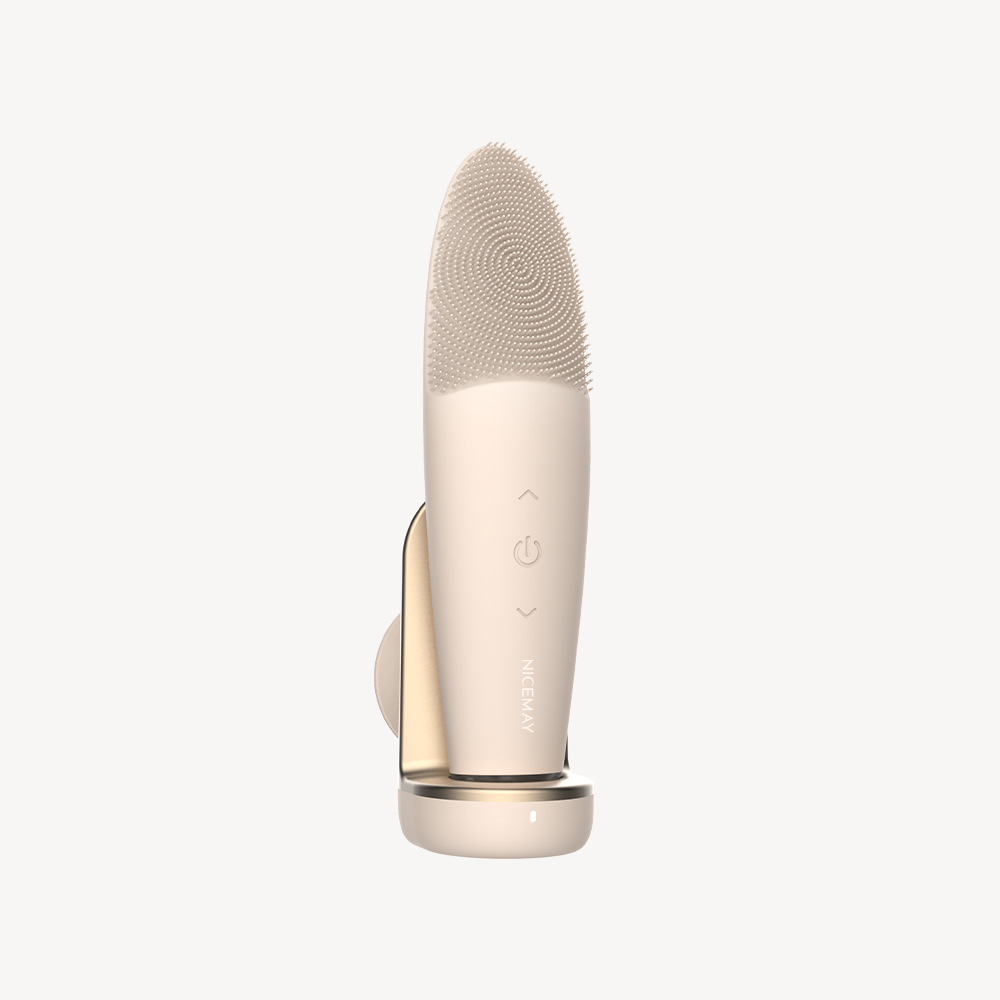
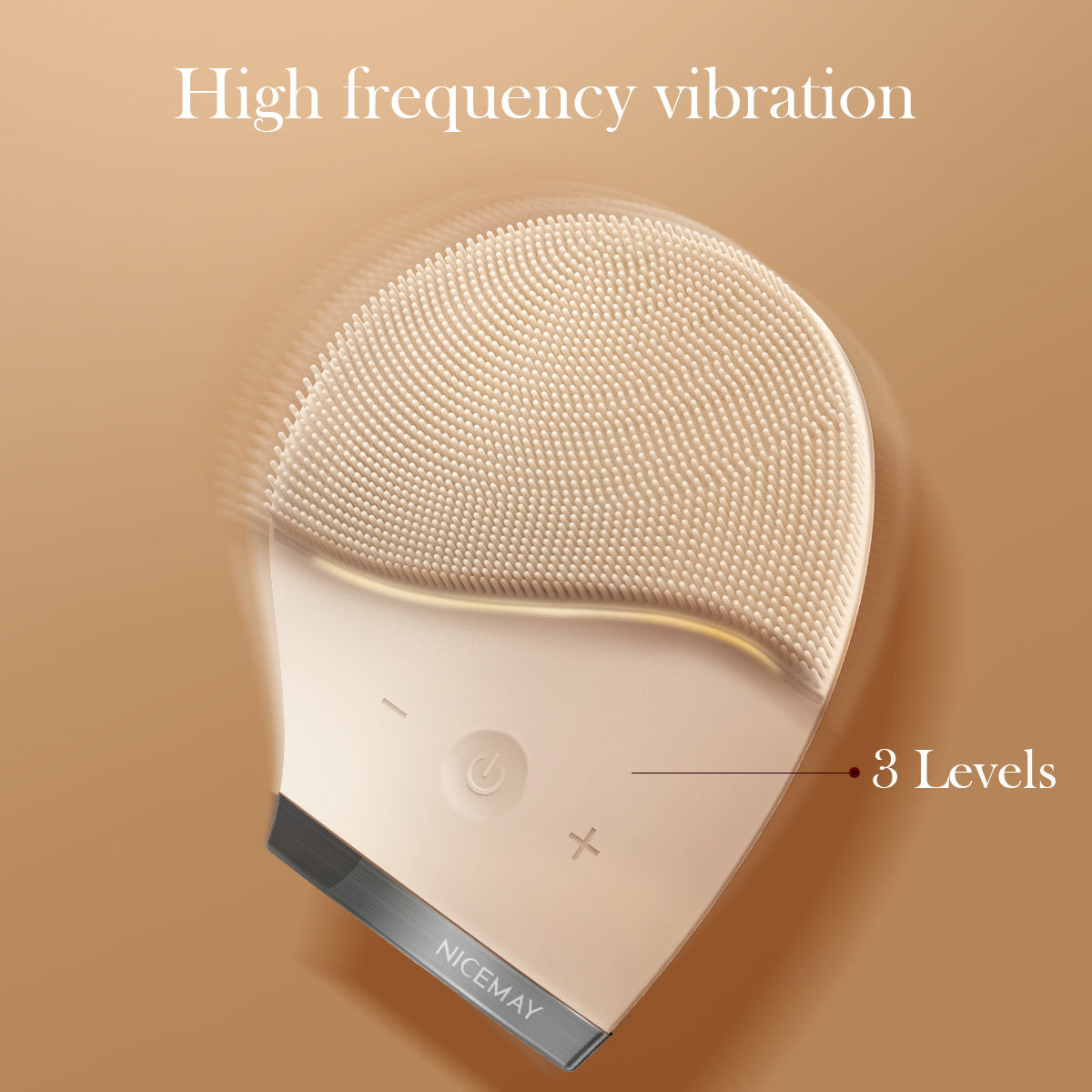
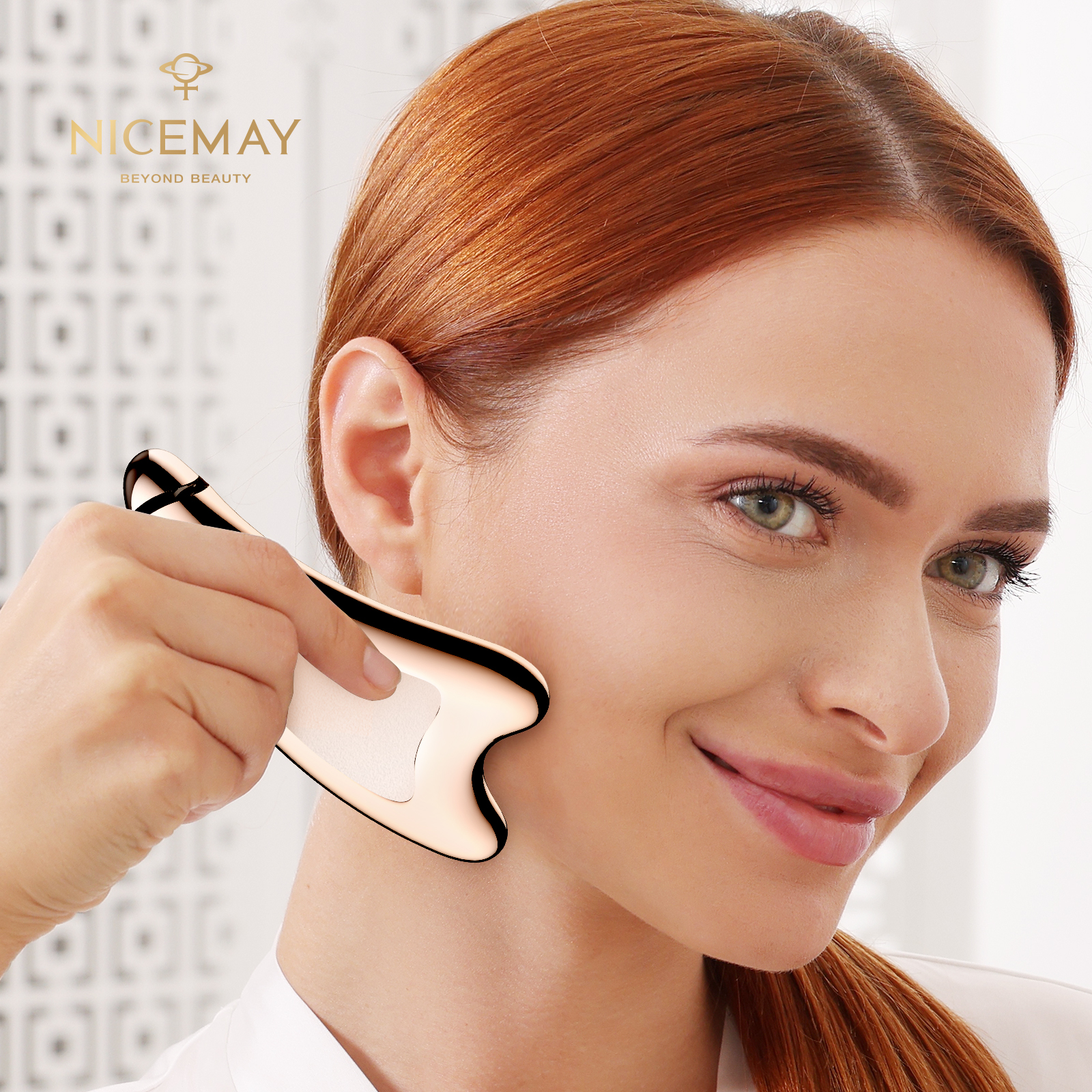
3 NICEMAY MR-2331 Dual-Head RF+EMS RF + EMS + LED ~$149 Lifting, tightening, value
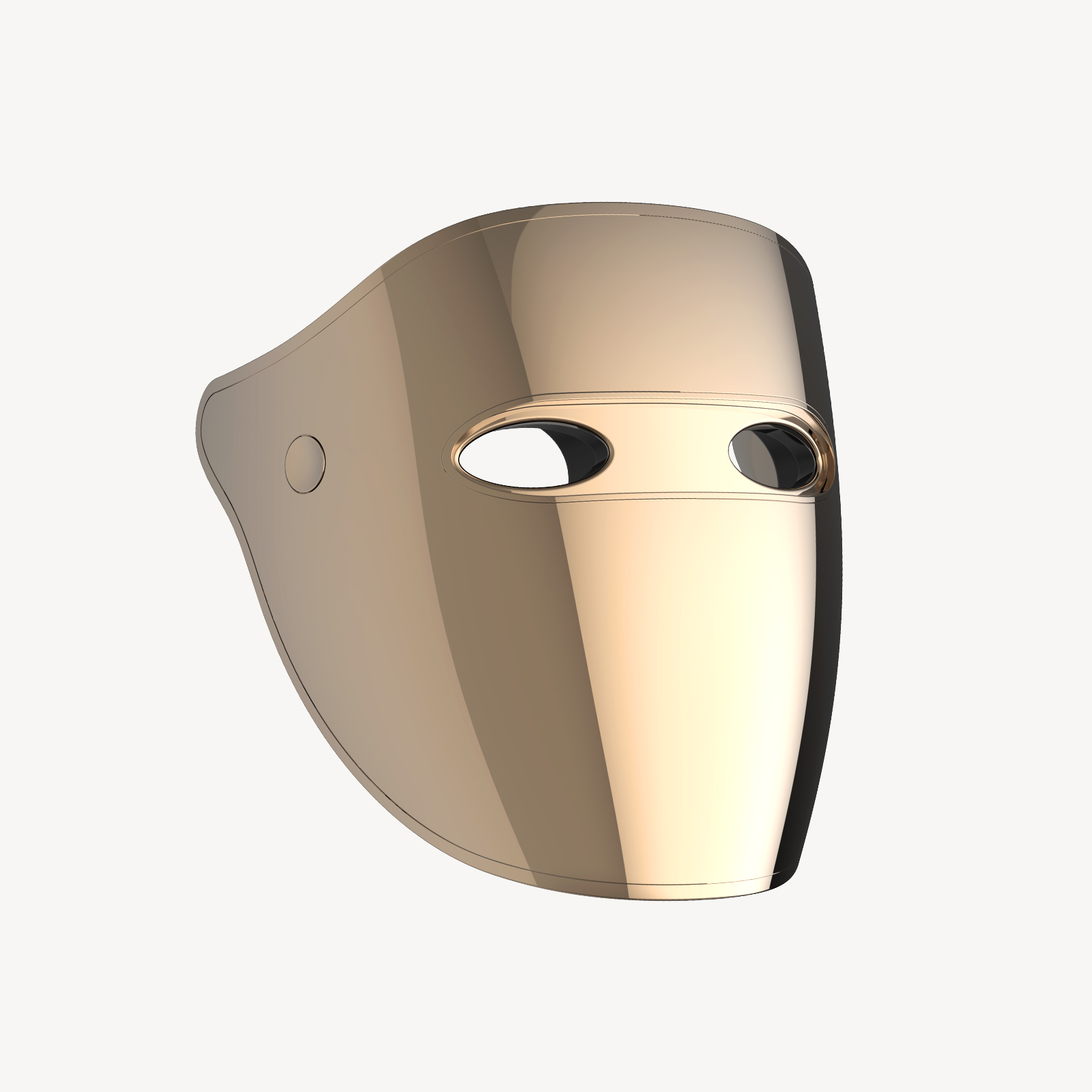
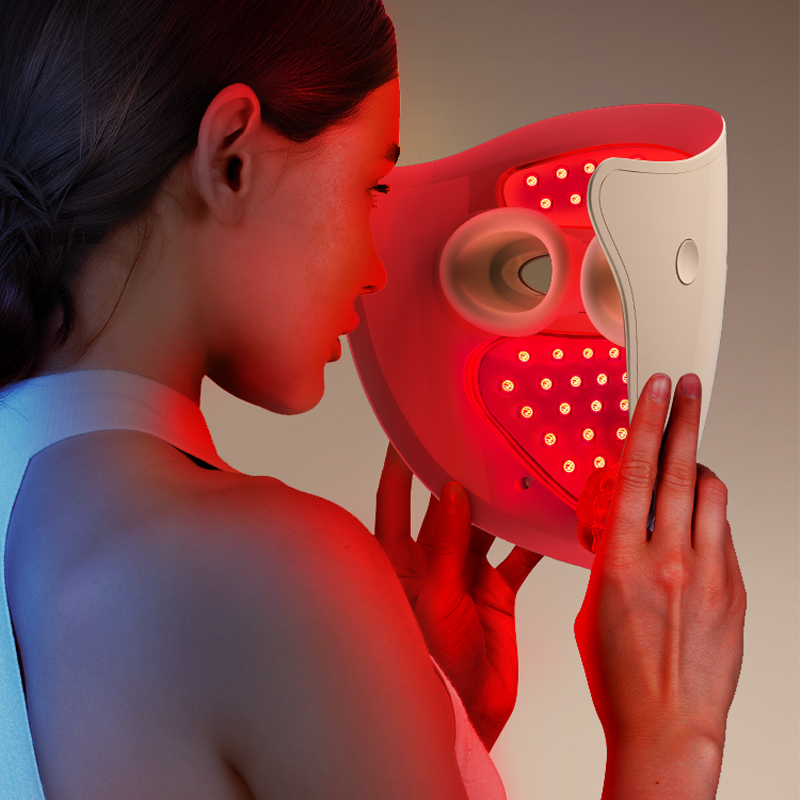
4 CurrentBody Skin LED Face Mask Series 2 633/830/1072nm LED $570 Collagen, sensitivity-safe
5 Omnilux Contour Face 633/830nm LED $395 Derm-grade LED, all skin types
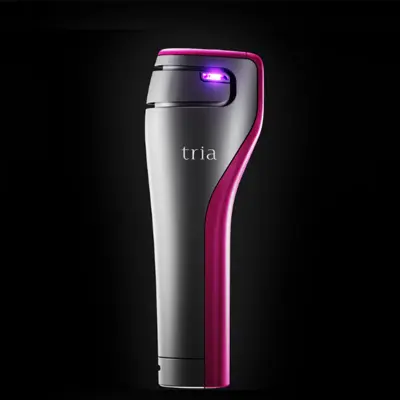
6 Tria FRX Skin Rejuvenating Fractional Laser 1450nm fractional $700 Texture, pigmentation
7 NIRA Precision Laser 1450nm non-ablative $449 Delicate areas (eye, lip contour)
8 누페이스 트리니티+ Microcurrent (Trinity) $339 Facial contouring, lift
9 TriPollar STOP VX Gold 2 RF + Dynamic Muscle Activation $480 Jowl tightening, multi-RF
10 Braun Silk Expert Pro 5 IPL IPL (SensoAdapt) $300–$420 Tone-evening, age spots

1. LYMA Laser Starter Kit

The LYMA Laser occupies a category of its own in the at-home device market, and its position at the top of this list for women over 55 is not about prestige pricing — it’s about penetration physics. The LYMA Laser delivers up to 560mW dispersed 25,000 times through a patented internal lens, powered by a filtered 500–560mW, 808nm near-infrared cold beam. Most home devices produce just 15mW of energy. That extraordinary output differential is what enables LYMA to reach the deeper layers of skin where mature-skin structural changes actually originate.

At 808nm, the laser operates in the therapeutic window of low-level laser therapy (LLLT), triggering photobiomodulation at the mitochondrial level. This means it stimulates cellular energy production (ATP synthesis) and fibroblast activity without thermal injury — critical for post-55 skin where thermal tolerance is reduced. The device produces zero heat at the surface: what you feel is nothing, which is precisely the point. The biological work happens 3–6mm below.

LYMA 레이저 프로
파장 808nm Near-Infrared (cold beam)
Output Power Up to 560mW (filtered, dispersed)
치료 영역 Face, neck, décolletage
세션 시간 15 minutes/day
Safety Class Class 1 (eye-safe)
피부 유형 All Fitzpatrick types I–VI
장점
  • No heat, no downtime whatsoever
  • Safe for all skin tones including VI
  • Penetrates deeper than any LED competitor
  • Clinically validated results for elasticity
단점
  • Highest price point in category
  • No money-back guarantee
  • Results require 8–12 weeks of daily use
  • LYMA Pro ($5,995) offers 3× power

2. NIRA Pro 3 Laser

The NIRA Pro 3 earns its second-place ranking through a combination of clinical validation, ease of use, and technology that is exceptionally well-matched to the physiology of mature skin. NIRA’s non-fractional laser therapy stimulates collagen production and promotes natural skin rejuvenation without damaging or removing the outer layer of the skin. Due to the precise 1450nm wavelength, this laser is nearly fully absorbed within the dermis, resulting in maximum efficiency and skin rejuvenation. For women over 55, the non-fractional distinction is significant: because the entire beam contacts skin rather than creating isolated micro-zones, there is no “wounded” tissue requiring recovery. You can treat daily without downtime. In my work with clients in the 55–70 age range, the NIRA Pro 3 consistently delivers the most tangible wrinkle reduction among devices under $1,000. Users typically report visible softening of nasolabial folds and periorbital lines at the 8-week mark, with continued improvement through week 16. The treatment protocol is genuinely simple: 2 minutes per facial zone, daily, with the device gliding in slow overlapping passes.
NIRA Pro Anti-Ageing
파장 1450nm semiconductor laser
기술 Non-fractional, non-ablative
세션 시간 2 minutes per zone
인증 FDA-cleared Class II
Treatment Zones Full face (zone-by-zone approach)
피부 유형 Fitzpatrick I–III (caution IV+)
장점
  • FDA-cleared, clinically proven
  • No redness, no downtime
  • Simple 2-minute daily protocol
  • Strong user satisfaction data (wrinkles)

단점
  • Not recommended for Fitzpatrick IV–VI
  • Treats wrinkles primarily (not laxity)
  • Full-face treatment takes 10–15 min total

3. NICEMAY MR-2331 Dual-Head RF + EMS Facial Therapy Device

For women over 55 who want to address both structural skin laxity and surface-level texture without committing to a four-figure device, the NICEMAY MR-2331 Dual-Head RF + EMS Facial Therapy Device is a standout performer in its class. What separates it from the sea of generic multi-function devices is its dual-head architecture: one head is optimized for radiofrequency skin tightening, the other for EMS muscle-toning and product infusion — allowing zone-specific protocols rather than one-size-fits-all treatment.

The RF modality operates at 1 MHz, which clinical literature identifies as the optimal frequency for penetrating the dermis without excessive epidermal heating. According to peer-reviewed trial data on home-use RF devices, 12 weeks of treatment demonstrated significant reduction in crow’s feet and facial wrinkles, with instrumental tests showing improvements in skin collagen content, firmness, and elasticity. The integrated red LED (typically 630–660nm) works synergistically: 630nm LED red light has been shown to increase levels of type I procollagen and collagen types I and III, and when combined with RF, synergistic effects are maximized around the subcutaneous layer.

The EMS component uses low-frequency electrical pulses to stimulate the underlying facial muscles — the zygomaticus major, platysma, and orbicularis oculi — which progressively weaken with age and contribute to jowling and sagging. For women over 55 specifically, this muscular component addresses aging from an angle that pure collagen-stimulating devices cannot: structural support restoration from within.

RF 주파수 1 MHz radiofrequency
EMS Output Low-frequency biphasic muscle stimulation
LED Wavelengths Red (collagen/anti-aging) + Blue (clarifying)
Heads Dual interchangeable heads
세션 시간 10–15 minutes
충전 USB 충전 가능
장점
  • Excellent value: multi-tech at accessible price
  • Dual-head design for targeted protocols
  • RF + EMS combination addresses both skin and muscle
  • LED therapy bonus for daily maintenance
  • USB rechargeable, travel-friendly

단점

  • No FDA 승인 (home-use category)
  • Results more gradual than clinical-grade RF
  • Requires conductive gel for RF efficacy


4. CurrentBody Skin LED Face Mask Series 2

The Series 2 upgrade from CurrentBody adds a third wavelength that significantly expands its relevance for women over 55. Where the original mask used red (633nm) and near-infrared (830nm), the Series 2 delivers three clinically recognized wavelengths: red (633nm), near-infrared (830nm), and deep near-infrared (1072nm) across an all-new layout of 236 LED bulbs. That deep NIR wavelength at 1072nm is the differentiator: this wavelength has been shown in scientific evidence to penetrate up to 10mm into the hypodermis to stimulate collagen production deep below the surface of the skin. For women over 55, where collagen loss has penetrated to deeper dermal and hypodermal layers, that additional depth is clinically meaningful.

CurrentBody’s 2025 Eurofins dermatological efficacy study — a 56-day trial on 30 female subjects aged 40–55 with mild-to-moderate signs of photoageing, using VISIA 7 imaging, Cutometer elasticity measurement, and clinical grading — demonstrated statistically significant improvements across multiple skin parameters when used 5× per week. Independent clinical verification at this rigor level is rare among consumer beauty devices and adds substantial credibility.

CurrentBody 피부 LED 라이트 테라피 페이스 마스크
파장 633nm red + 830nm NIR + 1072nm deep NIR
LED 236 bulbs (Veritace® certified)
세션 시간 10분
권장 빈도 주 3–5회
결과 타임라인 Visible at 4–8 weeks
안전성 No heat, no UV, all skin types
장점
  • 3-wavelength system including deep NIR 1072nm
  • Veritace® certified LED accuracy
  • Independent clinical studies (Eurofins 2025)
  • Flexible silicone fits all face shapes
단점
  • Premium price for LED category
  • Hands-free but requires 10-min stationary
  • Not for pregnancy (standard LED precaution)

5. Omnilux Contour Face LED Mask

Omnilux has been manufacturing medical-grade LED devices for clinical use since 2003 — a heritage that directly informs the quality of its consumer Contour Face mask. The FDA-cleared, derm-recommended Contour Face uses red light at 633nm to reduce inflammation and pigmentation while prompting cellular repair, and near-infrared at 830nm to target deeper fibroblast cells, stimulating new collagen and elastin production for plumper, firmer skin.

What distinguishes Omnilux from many competitors is the dose: the 132 medical-grade LEDs are calibrated to deliver energy at professional-grade irradiance levels. In an independent clinical trial of over 30 participants, users saw a 57% increase in skin plumpness, a 27% increase in brightness, and 30% fewer wrinkles after eight weeks. For women over 55 with sensitive or rosacea-prone skin, Omnilux’s zero-heat, zero-UV architecture makes it one of the safest rejuvenation tools available.

Omnilux Contour Face
파장 633nm red + 830nm near-infrared
LED 132 medical-grade LEDs
세션 시간 10분
인증 FDA 승인
Recommended Protocol 3–5x/week for 4–6 weeks, then maintenance
장점
  • Medical heritage from clinical LED brand
  • FDA-cleared, dermatologist recommended
  • Flexible, portable, no power cord needed
  • Strong clinical trial evidence
단점
  • Only 2 wavelengths vs. Series 2’s 3
  • Smaller face coverage than some competitors
  • No add-on neck/décolletage attachment
 

6. Tria FRX Skin Rejuvenating Fractional Laser

The Tria FRX is the only truly fractional diode laser available for home use — and for women over 55 dealing with decades of photodamage, that distinction matters. Fractional delivery creates thousands of microscopic treatment zones (MTZs) surrounded by untreated skin. Those untreated bridges trigger a rapid wound-healing cascade, driving more aggressive surface-level remodeling than non-fractional technology can achieve. The 1450nm fractional laser has been proven useful for both professional systems and home-use devices. Because it is fractional, there is additional heat that induces a wound-healing effect more so than non-fractional alternatives.

Expect 24–72 hours of mild redness and possible flaking after each session — more downtime than any other device on this list. This is not a concern but a confirmation that real resurfacing is occurring. For women over 55 targeting deep-set age spots, rough texture from sun damage, or visible pores, the Tria FRX delivers results that non-ablative and LED devices simply cannot match. Major results typically appear at 12 weeks, and consistency is non-negotiable.

Tria FRX Skin Rejuvenating Fractional Laser
파장 1450nm fractional diode
기술 Fractional (MTZ delivery)
다운타임 24–72 hours mild redness/flaking
대상 우려사항 Pigmentation, age spots, texture, pores
피부 유형 Fitzpatrick I–III (caution darker tones)
인증 FDA-cleared Class II
장점
  • Only at-home fractional diode laser
  • Most effective for pigmentation of this group
  • FDA-cleared with clinical backing
  • Comparable to entry-level Fraxel sessions
단점
  • Mild downtime (redness, flaking)
  • Not suitable for darker Fitzpatrick types
  • Not for rosacea or highly reactive skin
 

7. NIRA Precision Laser

The periorbital zone (around the eyes) and the perioral area (around the lips) are the two regions where mature skin aging is most visible and most difficult to treat safely at home. Most handheld devices are too large or too powerful for these delicate zones. The NIRA Precision Laser was engineered specifically for this problem, with a smaller treatment tip and a calibrated lower energy output that makes it both effective and safe for use within 2mm of the orbital bone and lip vermillion border.

Technically, the Precision uses the same 1450nm non-ablative non-fractional mechanism as the Pro 3 — near-complete dermal water absorption, controlled thermal stimulus, no epidermal damage — at an energy density matched to the thinner dermis in periorbital and perioral zones. For women over 55, these areas are often where the first and most distressing signs of aging appear, and traditional at-home devices offer limited help. The Precision fills that gap directly.

파장 1450nm non-ablative
Specialized Zones Under-eye, lip lines, nasal folds
인증 FDA-cleared Class II
다운타임 없음
Compatible With NIRA Pro (complementary device)
장점
  • Only home laser designed for periorbital use
  • FDA-cleared, calibrated for delicate zones
  • Complements NIRA Pro 3 for full-face system
  • 다운타임 없음
단점
  • Limited to targeted treatment (not full-face)
  • Best value when paired with Pro 3
 

8. NuFACE Trinity+

The NuFACE Trinity+ occupies a distinct niche in this list: it is not a laser or light-based device, but a microcurrent facial toning system that addresses the muscular component of aging — something no amount of collagen-stimulating technology can fully compensate for. After 55, the facial muscles atrophy progressively, contributing significantly to the sagging and hollowing that characterizes aged appearance. The Trinity+ addresses this directly through gentle electrical stimulation.

What distinguishes NuFACE from cheaper microcurrent imitators is its waveform specification. The Trinity uses a true biphasic current — alternating positive and negative pulses — which prevents muscle polarization, the physiological phenomenon that causes facial asymmetry and progressive sagging seen with long-term use of low-quality monophasic microcurrent devices. The current operates in the 335μA range, well within the safe stimulation threshold for mature skin, and the device maintains consistent output regardless of skin impedance variations.

NuFace Trinity+
Current Type Biphasic microcurrent
Output 335µA
인증 FDA-cleared Class II
세션 시간 5–20 minutes
부속품 Modular (ELE, Wrinkle Reducer add-ons)
Recommended Use 5×/week initial; 2–3×/week maintenance
장점
  • FDA-cleared biphasic microcurrent
  • Addresses muscular aging (unique in this list)
  • Modular system (add Wrinkle Reducer, ELE)
  • Visible toning results within 2–4 weeks
단점
  • Requires conductive gel (ongoing cost)
  • Technique-dependent results
  • Not a laser — does not address pigmentation
 

9. TriPollar STOP VX Gold 2

TriPollar has built its reputation on multi-electrode RF technology that distributes energy across the skin surface more evenly than monopolar systems, reducing hot-spot risk — a particularly important consideration for women over 55. The STOP VX Gold 2 adds Dynamic Muscle Activation (DMA) to its RF core: synchronized electrical impulses that activate facial muscles during the RF treatment, compounding the collagen-stimulating effect with simultaneous muscle toning in a single pass.

Clinically, monopolar RF therapy delivers uniform heat to the dermis at a controlled depth, causing direct collagen contraction and immediate skin tightening, with subsequent remodeling and reorientation of collagen bundles and formation of new collagen achieved over months after treatment. The multi-polar approach distributes this same thermal effect more broadly, making it particularly effective for the lower face — the jawline, jowl zone, and neck — where sagging is most pronounced in mature skin.

트라이폴라 스탑 브이엑스
RF 유형 Multi-polar radiofrequency
추가 기술 Dynamic Muscle Activation (DMA)
타겟 존 Full face; specialty: jowls, jaw, neck
인증 CE marked, clinical-grade design
결과 타임라인 4 weeks visible, peak at 12 weeks
장점
  • Multi-polar RF reduces hot-spot risk
  • RF + DMA dual mechanism in one pass
  • Particularly effective for lower-face laxity
  • Clinical-grade technology heritage
 
단점
  • Requires conductive gel
  • Higher price than comparable single-RF devices
  • Learning curve for optimal electrode pressure

10. Braun Silk Expert Pro 5 IPL

The Braun Silk Expert Pro 5 is the only IPL device on this list, and its inclusion is deliberate — with caveats. IPL does not stimulate collagen at the level of laser or RF, but for women over 55 dealing with extensive age spots, diffuse redness, and uneven skin tone accumulated from decades of sun exposure, IPL remains the most efficient at-home tool for chromophore-targeting (melanin and hemoglobin).

What elevates the Silk Expert Pro 5 above generic IPL devices is its SensoAdapt skin-tone sensor, which automatically adjusts pulse intensity to skin color at 80× per second. This is the critical safety feature for mature skin: hyperpigmented patches common after 55 can absorb IPL energy unpredictably in devices without adaptive tone sensing, leading to post-inflammatory hyperpigmentation. The Braun Silk Expert Pro 5 IPL features an automatic skin tone sensor, multiple intensity levels, and has received recognition from experts at Women’s Health and Vogue for precision and results.

Braun Silk Expert Pro 5 IPL
기술 IPL (Intense Pulsed Light) with SensoAdapt
Skin Tone Sensor Adaptive, 80x/second calibration
Primary Use Pigmentation, age spots, tone-evening
Secondary Use Hair removal, skin clarification
Skin Type Safety Fitzpatrick I–V (not VI)
장점
  • Best at-home tool for age spot reduction
  • Adaptive skin-tone sensor for safety
  • Dual benefit: skin tone + hair removal
  • Expert-recognized, widely reviewed
단점
  • Does not stimulate collagen structurally
  • Not suitable for Fitzpatrick VI
  • Results for rejuvenation limited vs. laser/RF

Why At-Home Beauty Devices Work Differently on Mature Skin?

Understanding what actually happens to skin after 55 is the single most important factor in choosing the right device — and one of the biggest gaps in most competitor reviews. Here’s what the science tells us: the dermis loses approximately 25–30% of its collagen content in the five years following menopause, according to research published in the 브리티시 저널 오브 더마톨로지. Simultaneously, the basement membrane — the boundary between the epidermis and dermis — becomes thinner and less structured, meaning energy-based devices penetrate differently than they would on younger, thicker skin.

The key consequence: a device set to a standard energy output that feels mildly warm on 40-year-old skin can produce excessive thermal response on mature skin. This is why FDA-cleared devices with automatic skin-tone sensors and adjustable energy levels are not a luxury feature for women over 55 — they are a safety essential.

The Three Most Important Changes in Post-55 Skin

Reduced thermal tolerance. The dermis’s decreased water content and thinner epidermis mean RF and laser energy heats tissue more rapidly. Devices that hold treatment temperature above 45°C risk creating micro-damage rather than therapeutic stimulus. The safest at-home RF devices maintain tissue temperature in the 40–44°C therapeutic window and auto-pause if sensors detect overheating.

Slower cell turnover. Where a 30-year-old’s keratinocyte cycle is approximately 28 days, it can extend to 40–60 days after 55. This means collagen remodeling takes longer, and patience — not increased device intensity — is the right response to slower initial results.

Heightened photosensitivity. Decades of cumulative sun exposure often mean hyperpigmentation sits closer to the surface. IPL devices that are not tone-calibrated can trigger post-inflammatory hyperpigmentation (PIH) on darker or heavily photodamaged skin. Non-ablative laser and LED technologies that operate below the melanin absorption peak are generally safer.

Technology Guide: Laser vs. IPL vs. RF vs. LED — What Actually Works for Women Over 55

One of the most common and costly mistakes I see in my work advising clients in this age group is purchasing a device based on brand recognition rather than technology suitability. A $300 IPL device might deliver stunning results for body hair removal while producing near-zero collagen response in the face. Here’s an honest, spec-level breakdown of each technology category.

Non-Ablative Laser (1450nm, 1064nm)

Non-ablative lasers deliver targeted thermal energy into the dermis without damaging the outer epidermis. At the 1450nm wavelength used by NIRA, the energy is nearly fully absorbed by dermal water, creating a precise heat zone that triggers fibroblast activation and new collagen synthesis. This is the closest analog to in-office non-ablative treatments (like Palomar Lux1540). Result timeline: 4–6 weeks for initial improvement, 12–16 weeks for peak collagen remodeling.

Fractional Laser (1450nm fractional)

Fractional laser creates micro-treatment zones (MTZs) with untreated skin bridges between them. The bridges accelerate healing and allow fractional lasers to address pigmentation and surface texture more aggressively than non-fractional approaches. Downside for women over 55: mild redness and flaking in the 24–48 hours post-treatment. Not ideal for very sensitive or rosacea-prone mature skin.

Near-Infrared / Low-Level Laser Therapy (808nm NIR)

LLLT at 808nm delivers non-thermal photonic energy that triggers cellular photobiomodulation at the mitochondrial level, stimulating ATP production and fibroblast activity without generating heat. The LYMA Laser operates at this wavelength. Particularly suitable for mature skin because it produces no thermal injury — but requires consistent daily use for results to accumulate.

Radiofrequency (RF, 1 MHz)

RF energy creates controlled resistance heating in the dermis and subcutaneous layer, directly contracting existing collagen fibers (immediate tightening) while inducing long-term new collagen formation (remodeling, 2–3 months post-treatment). Peer-reviewed data from PMC (NCBI) shows statistically significant increases in both collagen Type I and Type III after monopolar RF therapy. For women over 55, RF is particularly valuable for laxity and sagging that lasers alone cannot address.

LED / Photobiomodulation

LED therapy works through specific wavelength absorption by skin chromophores. Red at 633nm stimulates surface fibroblasts and reduces inflammation; near-infrared at 830nm penetrates 4mm into the dermis for deeper collagen; deep near-infrared at 1072nm reaches the hypodermis. LED delivers no heat and no risk of epidermal injury, making it the safest entry point for hypersensitive mature skin. It is best used as a complement to, rather than replacement for, energy-based devices.

EMS(전기 근육 자극)

EMS devices deliver low-level electrical pulses (typically 60–300μA) that contract facial muscles, improving tone and definition without ablation or thermal energy. Effective for jawline and cheek definition. Critical specification: devices must use biphasic current (alternating positive/negative pulse) to prevent muscle fatigue and polarization effects. Devices using only monophasic current risk facial asymmetry with long-term use.

How to Choose Beauty Device: A Decision Framework for Women Over 55

In my experience advising clients on at-home beauty technology, the single most common mistake is choosing a device based on the most impressive marketing claim rather than matching the technology to the specific aging concern. Here is a practical decision framework built specifically for the physiology and priorities of the 55+ age group.


Step 1: Identify Your Primary Aging Concern

Deep wrinkles and loss of skin firmness: Non-ablative laser (NIRA Pro 3) or NIR LLLT (LYMA) will deliver the most direct collagen-remodeling response. Both operate at dermal depth without surface trauma.

Sagging jawline, jowls, and loss of facial definition: RF technology (TriPollar STOP VX, NICEMAY MR-2331) combined with microcurrent (NuFACE Trinity+) addresses laxity from two angles — dermal collagen remodeling and muscular rehabilitation. Neither alone is as effective as the combination.

Age spots, uneven skin tone, and photodamage: The Tria FRX (fractional resurfacing) for more severe cases, or the Braun Silk Expert Pro 5 (IPL) for tone-evening without downtime. For Fitzpatrick IV–V, default to IPL with adaptive tone sensing and avoid fractional laser.

Sensitive or reactive skin, rosacea, or post-procedure recovery: LED-only therapy (Omnilux Contour, CurrentBody Series 2) is the safest entry point. Zero thermal energy, zero UV, zero abrasion. Build results slowly over 8–12 weeks before considering any energy-based device.


Step 2: Establish a Realistic Budget Including Total Cost of Ownership

A common oversight: the upfront device price is not the total investment. Factor in:

  • Replacement tips or treatment heads (NIRA devices: $30–$50/year)
  • Conductive gel for RF and EMS devices ($20–$40/month with regular use)
  • Compatible serums (hyaluronic acid for RF sessions, antioxidant serums pre-LED)
  • SPF commitment: all laser and light devices sensitize skin; daily SPF 50+ becomes non-negotiable

How to Choose Beauty Device: A Decision Framework for Women Over 55

This section covers the practical, often-overlooked safety considerations specific to women over 55. Most device manuals are written for a generic adult user — not for skin that has undergone decades of UV exposure, hormonal shifts, and progressive structural change. These guidelines supplement manufacturer instructions rather than replace them.

Before Every Session: The 5-Point Check

1. Medication review. Retinoids (tretinoin, adapalene), AHAs/BHAs, and certain blood pressure medications (hydrochlorothiazide, for example) increase photosensitivity. Pause topical retinoids 48 hours before laser or fractional treatment. Consult your pharmacist about systemic medications.

2. Active skin conditions. Cold sores, open wounds, active rosacea flares, eczema patches, or recent cosmetic injections (within 2 weeks) are contraindications for energy devices over the affected area.

3. The 42–45°C RF rule. Effective RF stimulates collagen at dermis temperatures of 40–44°C. Above 45°C, you risk dermal damage. If you feel heat that seems excessive during RF treatment, reduce intensity immediately — heat sensation is not a proxy for efficacy.

4. Patch test protocol. For any new device, treat a 5×5cm patch behind the ear or on the inner wrist at the lowest setting. Wait 48 hours. Only proceed if no adverse reaction occurs.

5. Sun exposure window. Avoid device use on freshly sun-exposed skin (within 24 hours). After laser or fractional treatment, avoid direct sun exposure for 48–72 hours and apply SPF 50+ on treated areas.

Building a Multi-Device Protocol

The most effective approach combines complementary technologies rather than relying on a single device. A practical example protocol for women over 55:

  • Daily (10 min): LED mask (CurrentBody or Omnilux) — zero-risk daily collagen stimulus
  • 3× per week: NIRA Pro 3 laser — targeted wrinkle reduction per zone
  • 2× per week: NICEMAY MR-2331 RF + EMS — lifting and tightening pass on jawline/cheeks
  • 주간: Tria FRX (if appropriate skin type) — texture and pigmentation resurfacing session

Never layer high-energy devices in the same session. Space RF and laser treatments at least 48 hours apart on the same skin zone.

주요 기술 비교 한눈에 보기

  • 마이크로전류 → 최적: 점진적인 근육 재교육, 시간에 따른 누적 리프팅. 느낌: 아무것도 없거나 약간의 따끔거림.
  • 라디오 주파수 (RF) → 최적용: 피부 탄력 저하, 피부 얇아짐, 깊은 콜라겐 재생. 느낌: 부드러운 온기.
  • 국제특급우편 → 최적용: 근육 재조정, 더 선명한 각진 윤곽, 이중턱. 느낌: 부드러운 두드림 또는 가벼운 수축.

자주 묻는 질문: 턱선 윤곽 장치

Can at-home laser devices actually produce visible results for women over 55, or is this marketing hype?
Yes — with important caveats. Peer-reviewed randomized controlled trials confirm measurable improvements in collagen content, skin elasticity, and wrinkle depth from non-ablative laser, RF, and LED devices used consistently over 8–16 weeks. The key word is consistently. The failure mode I observe most often is abandonment at week 4–6, before the collagen remodeling cycle completes. Realistic expectations: 10–25% reduction in visible wrinkle depth at 12 weeks of daily non-ablative laser use; 15–30% improvement in skin firmness from RF protocols at 12 weeks. These are meaningful results — not the dramatic transformations of ablative clinical treatments, but genuine, measurable improvement.
Non-ablative laser (like NIRA’s 1450nm devices) delivers energy as a continuous beam to the entire treatment zone without injuring the skin surface. The heat stimulus is subtle and entirely subepidermal — you feel mild warmth, if anything. No downtime. Fractional laser (like Tria FRX) delivers energy in thousands of microscopic columns, leaving untreated “bridges” between them. These bridges enable a wound-healing response that drives more aggressive surface remodeling and pigmentation correction. The tradeoff: 24–72 hours of redness and possible flaking. For women over 55 with thin, sensitive skin, starting with non-ablative is almost always the right choice.
Yes, RF is generally considered one of the safest energy modalities for mature skin because it operates independently of melanin — meaning it is equally safe and effective across all Fitzpatrick skin types, including darker tones that cannot safely use certain laser wavelengths. The key safety parameter is temperature: effective RF maintains dermal tissue at 40–44°C. Multiple published trials confirm that at these parameters, RF increases collagen Types I and III significantly without adverse effects in older subjects. Always use conductive gel, avoid static device placement (keep it moving), and reduce intensity if you feel excessive heat.
LED photobiomodulation works through cellular mechanisms that require time to produce visible structural changes. Most users notice improved skin tone, brightness, and reduction in surface redness within 2–4 weeks of use at 3–5 sessions per week. Measurable collagen improvement (detectable via elasticity assessment) typically accumulates over 8–12 weeks of consistent use. CurrentBody’s 2025 Eurofins clinical study detected statistically significant skin improvements at 56 days (8 weeks) with 5× weekly use. Post-55 skin responds at the same trajectory but may require the full 12-week window for peak results due to slower keratinocyte and fibroblast turnover rates.
You should pause topical retinoids (tretinoin, retinol at ≥0.5%) for 48–72 hours before using fractional laser devices or higher-energy RF. The reason: retinoids thin the stratum corneum, reducing the natural barrier that modulates how deeply energy devices penetrate. This combination can increase sensitivity, redness, and irritation risk. With lower-energy non-ablative laser (NIRA) and standard LED therapy, the interaction risk is lower but still worth a 24-hour pause for sensitive skin. Always apply any active skincare ingredients after your device session, not before.
For women over 55, combination therapy is almost always more effective than any single device — because mature skin aging is multidimensional. Laser technology addresses dermal collagen but not muscular atrophy. RF tightens but doesn’t correct pigmentation. LED accelerates healing and provides daily maintenance but doesn’t drive the same level of collagen remodeling as targeted laser. The most practical starter combination: a non-ablative laser (NIRA Pro 3) for wrinkles + an LED mask for daily maintenance and sensitivity management. Budget-conscious option: the NICEMAY MR-2331 covers RF, EMS, and LED in a single device as a standalone starting point.
FDA clearance (Class II medical device designation) means the device has undergone a 510(k) review process demonstrating substantial equivalence to a legally marketed predicate device, including safety and intended-use evidence. It is not the same as FDA approval (which requires more extensive clinical trials) but it is a meaningful regulatory standard — one that many devices on the market lack. For women over 55, prioritizing FDA-cleared devices provides a meaningful safety baseline, particularly for laser (Class IIIb risk without clearance) and RF devices. Devices lacking any regulatory clearance should be approached with caution, particularly at higher energy settings.
The main red flags for potentially harmful RF devices: no temperature feedback or auto-shutoff, no adjustable intensity levels, marketing that emphasizes “maximum heat” rather than therapeutic temperature ranges, and absence of clinical data or regulatory clearance. A well-designed RF device for home use should operate in the 1 MHz frequency range, include some form of energy control, and come with a protocol that prevents overexposure (session duration limits, recommended frequency). The NICEMAY MR-2331 and TriPollar devices on this list include these safeguards. Devices with none of these features — typically priced below $50 on mass-market platforms — carry genuine risk of thermal damage, particularly on the thinner dermis of mature skin.
공유:
페이스북
트위터
링크드인
VK
왓츠앱
텀블러
레딧
문의할 사항이 있으신가요?

양식에 이메일을 입력해 주시면 곧 도움을 드리겠습니다!

니스메이 시작하기

아래 양식 정보를 작성해 주시고 필요한 내용을 알려주십시오. 가능한 한 빨리 답변 드리겠습니다.

NICEMAY 뷰티 기기의 최신 도매 가격 및 OEM 솔루션을 받아보세요.

고객의 요구에 따라 맞춤형 사양과 단계별 가격을 제공하며, 10분 이내에 신속하게 응답하겠습니다.