


55歳以上の女性向けのスキンリジュビネーション用家庭用レーザーデバイスのベスト10

55歳を過ぎると、自然なエストロゲンの減少がコラーゲンの喪失と皮膚の構造変化を加速させ、一般的な美容機器の効果を低下させる、あるいは逆効果になることさえあります。当社の専門家ガイドは、マーケティングのノイズを切り分け、最新の査読済み高周波および 光バイオモジュレーション 研究を分析し、たるんだジョール、深いシワ、シミに特効のある、成熟肌向けの家庭用美容機器トップ10をランク付けします。お客様のユニークなニーズに合ったテクノロジーを見つけるための科学的根拠に基づいたロードマップを発見してください。

55歳以上の女性のためのベスト家庭用レーザー&エネルギー機器10選
| # | 比較表 | テクノロジー | 価格 | 最適な用途 |
|---|---|---|---|---|
| 1 | ライマレーザー スターターキット | 808nm NIR LLLT | $2,695 | 深い細胞の若返り、たるみ |
| 2 | ニラ プロ 3 レーザー | 1450nm 非侵襲性 | $699 | コラーゲン&シワ軽減 |
| 3 | NICEMAY MR-2331 デュアルヘッド RF+EMS | RF + EMS + LED | ~$149 | リフティング、引き締め、コストパフォーマンス |
| 4 | カレンボディスキン LEDフェイスマスク シリーズ2 | 633/830/1072nm LED | $570 | コラーゲン、敏感肌でも安心 |
| 5 | オムニラックス・コントゥア・フェイス | 633/830nm LED | $395 | ダーマグレードLED、全肌タイプ対応 |
| 6 | トリア FRX スキン リジュベネーティング フラクショナルレーザー | 1450nm フラクショナル | $700 | 質感、色素沈着 |
| 7 | NIRA 精密レーザー | 1450nm 非侵襲性 | $449 | デリケートな部分(目、唇の輪郭) |
| 8 | NuFACE Trinity+ | マイクロカレント(トリニティ) | $339 | フェイシャル輪郭形成、リフトアップ |
| 9 | TriPollar STOP VX ゴールド 2 | RF + ダイナミック筋肉活性化 | $480 | フェイスライン引き締め、多重RF |
| 10 | Braun Silk Expert Pro 5 IPL | IPL(センスアダプト) | $300–$420 | トーン均一化、老人性色素斑 |
1. LYMAレーザースターターキット
LYMAレーザーは家庭用デバイス市場で独自のカテゴリーを占めており、55歳以上の女性向けリストのトップに位置しているのは、名声のためではなく、浸透物理学によるものです。LYMAレーザーは、特許取得済みの内部レンズを通じて25,000回拡散される最大560mWの出力を持ち、フィルターされた500–560mW、808nmの近赤外線コールドビームによって駆動されます。ほとんどの家庭用デバイスはわずか15mWのエネルギーしか生成しません。この驚異的な出力差が、成熟した肌の構造変化が実際に起こる深層の皮膚に到達できる理由です。.
808nmで動作するレーザーは、低レベルレーザー療法(LLLT)の治療窓内で動作し、ミトコンドリアレベルでのフォトバイオモジュレーションを引き起こします。これにより、熱傷を伴わずに細胞のエネルギー生成(ATP合成)や線維芽細胞の活動を促進します。これは、熱耐性が低下している55歳以上の肌にとって非常に重要です。デバイスは表面に熱を発生させず、感じるのは何もないのがポイントです。生物学的な作業は3〜6mm下で行われます。.

| 波長 | 808nm近赤外線(コールドビーム) |
| 出力パワー | 最大560mW(フィルター済み、拡散) |
| 治療エリア | 顔、首、デコルテ |
| セッション時間 | 1日15分 |
| 安全クラス | クラス1(目に安全) |
| 肌タイプ | すべてのフィッツパトリックタイプI〜VI |
- 熱もダウンタイムも全くなし
- すべての肌色に安全(VIを含む)
- どのLED競合製品よりも深く浸透
- 弾力性に関する臨床検証済みの結果
- カテゴリー最高価格帯
- 返金保証なし
- 効果を得るには毎日8〜12週間の使用が必要
- LYMA Pro($5,995)は3倍のパワーを提供
2. NIRA Pro 3レーザー

| 波長 | 1450nm半導体レーザー |
| テクノロジー | 非分割型、非アブレイティブ |
| セッション時間 | ゾーンごとに2分間 |
| 認証 | FDA承認のクラスII |
| 治療ゾーン | 顔全体(ゾーンごとのアプローチ) |
| 肌タイプ | フィッツパトリックI~III(注意:IV以上) |
- FDA承認、臨床的に証明済み
- 赤みなし、ダウンタイムなし
- シンプルな2分間の毎日のプロトコル
- ユーザー満足度の高いデータ(しわ)
- フィッツパトリックIV~VIには推奨されません
- 主にしわを治療(たるみではありません)
- 顔全体の治療は合計10~15分
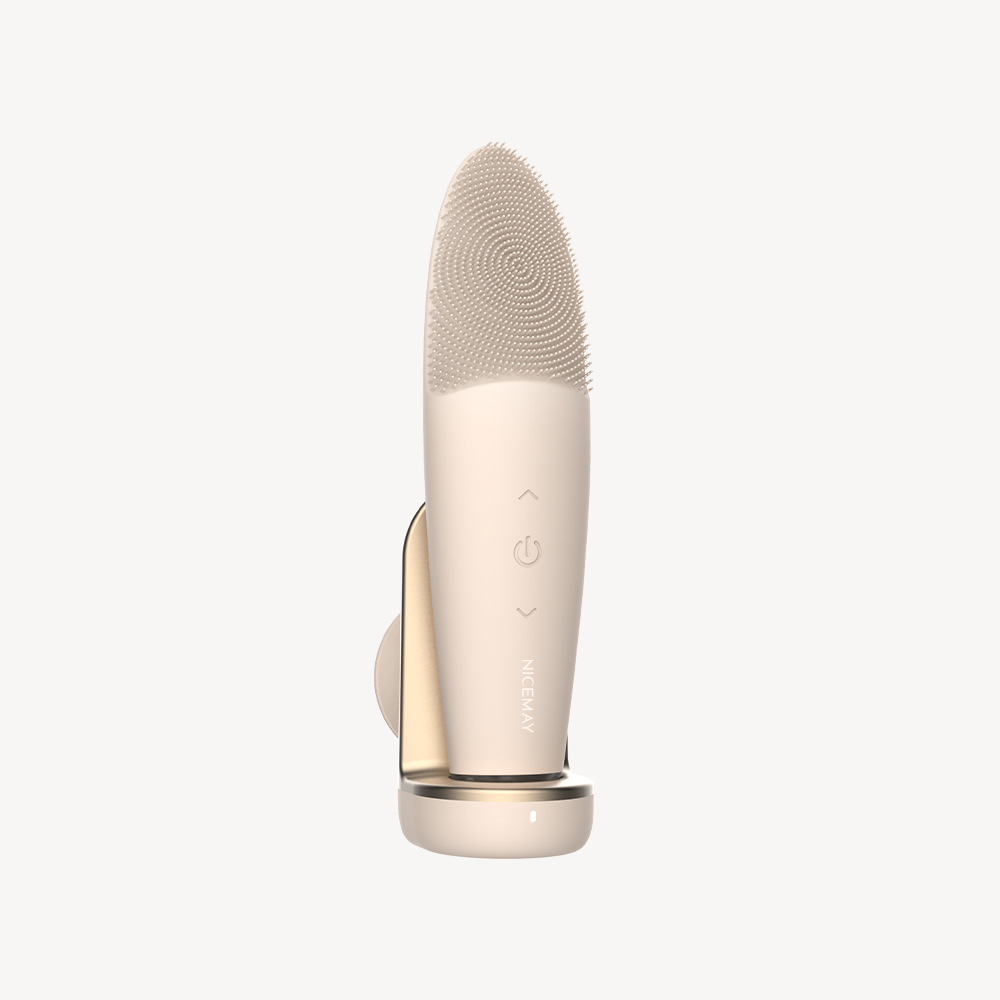
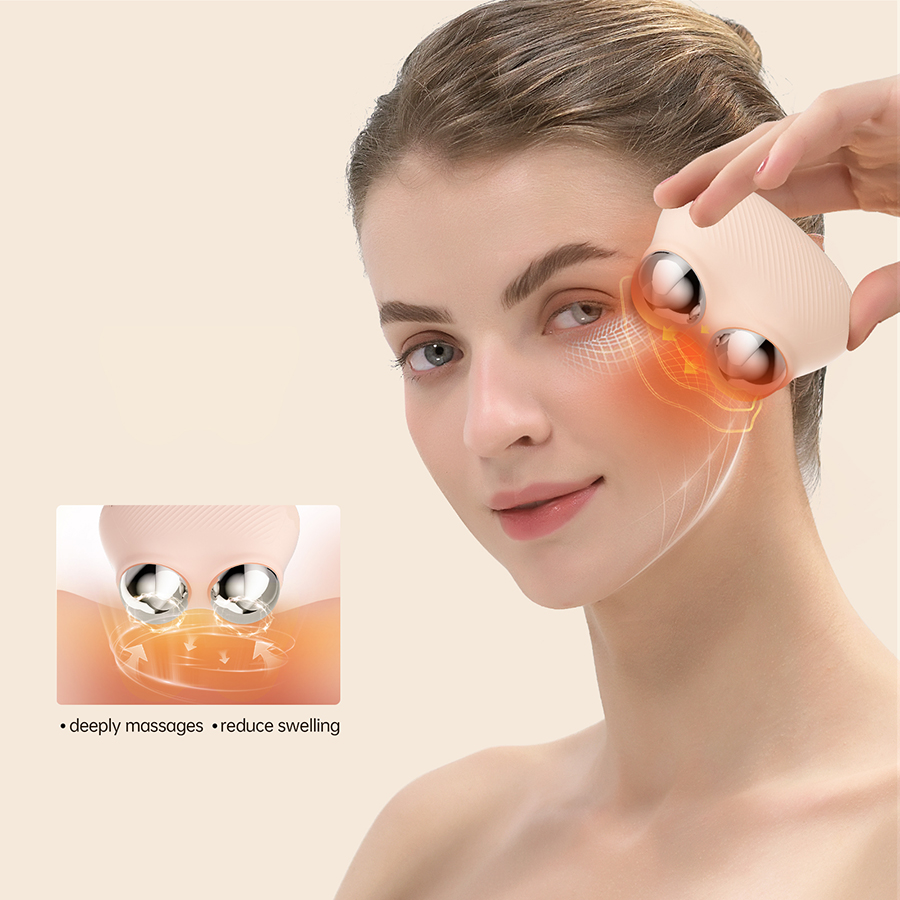
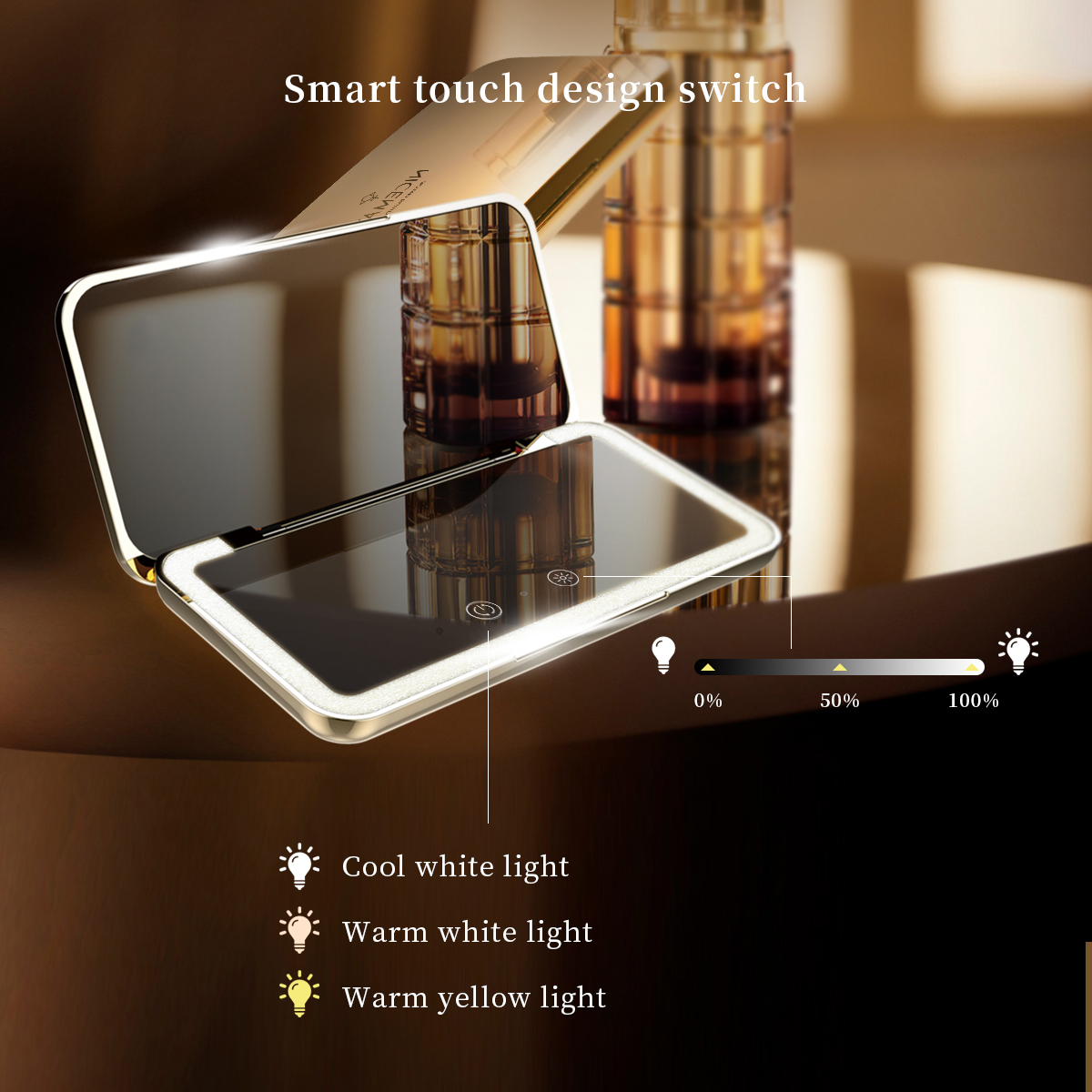
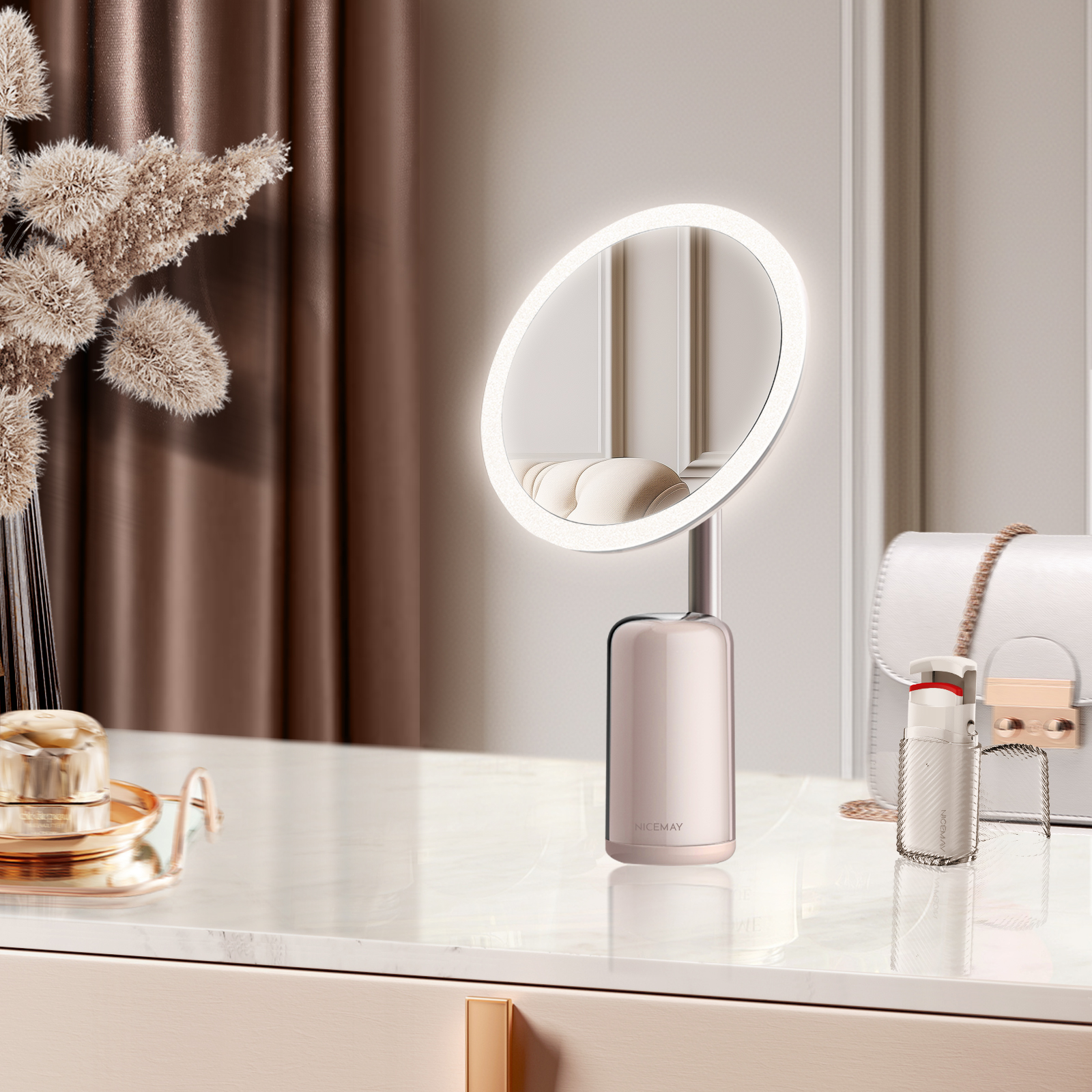
3. NICEMAY MR-2331 デュアルヘッドRF+EMSフェイシャルセラピー機器
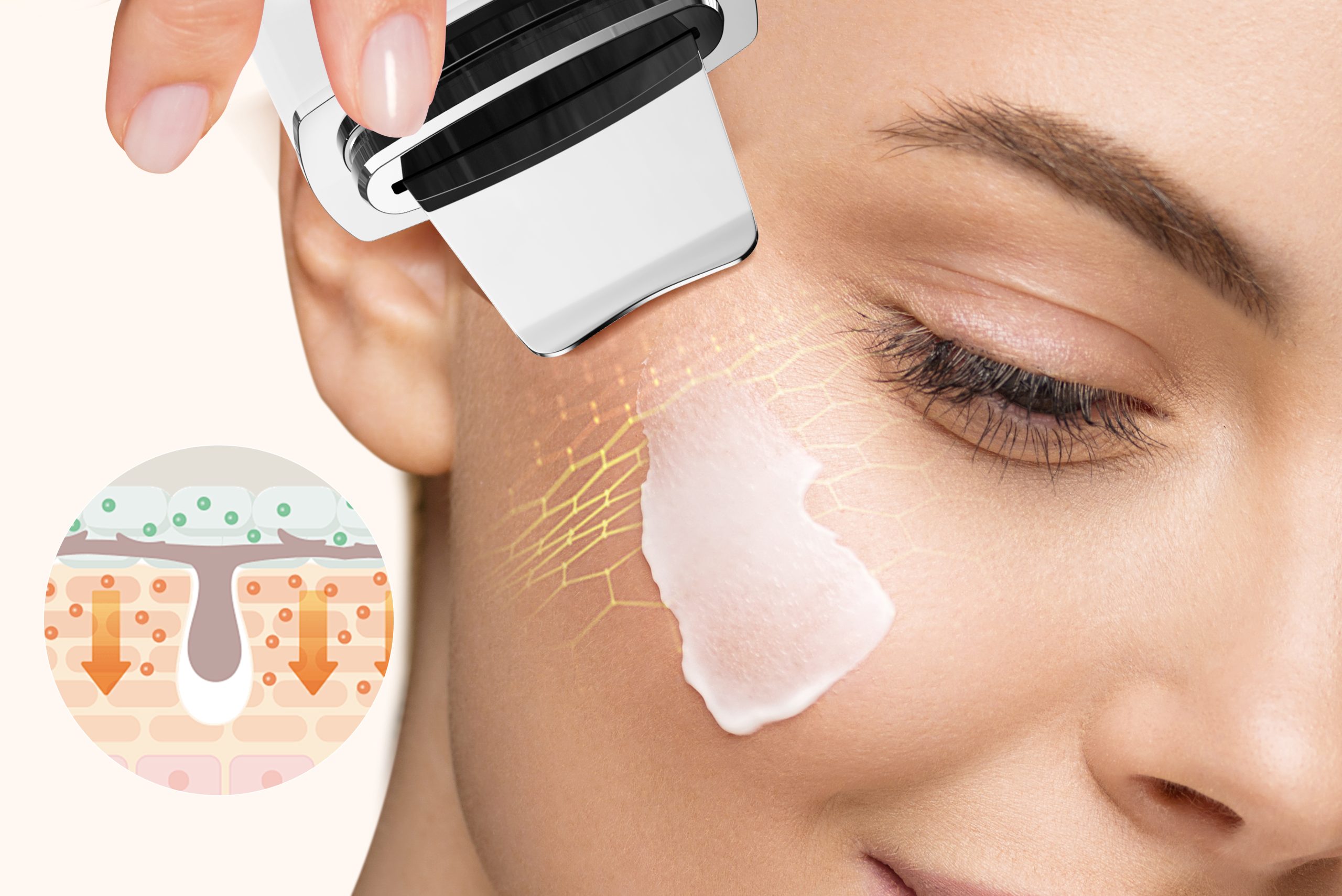
構造的な肌のたるみと表面の質感の両方に対処したい55歳以上の女性向けで、四桁のデバイスに投資することなく、 NICEMAY MR-2331 デュアルヘッドRF+EMSフェイシャルセラピー機器 はそのクラスで際立った性能を発揮します。一般的な多機能デバイスの海の中でこれを際立たせるのは、そのデュアルヘッド構造です:一つのヘッドは ラジオ波肌の引き締め, に最適化されており、もう一つはEMS筋肉トーニングと製品導入に使用され、ゾーンごとのプロトコルを可能にし、一律の治療を避けます。.
RFモダリティは1MHzで動作し、臨床文献では表皮の過剰な加熱を避けつつ真皮に浸透する最適な周波数とされています。家庭用RFデバイスのピアレビュー済み試験データによると、12週間の治療で目尻のシワや顔のしわが大幅に減少し、皮膚のコラーゲン含有量、弾力性、弾力性の改善を示す器械的検査結果も得られています。統合された赤色LED(通常630~660nm)は相乗効果を発揮します: 630nmのLED赤色光はタイプIプロコラーゲンやコラーゲンタイプIおよびIIIのレベルを増加させることが示されており, RFと組み合わせることで、皮下層周辺での相乗効果が最大化されます。.
EMSコンポーネントは低周波の電気パルスを使用して、顔の筋肉(大頬骨筋、広頚筋、眼輪筋)を刺激します。これらの筋肉は加齢とともに徐々に弱まり、フェイスラインのたるみや垂れ下がりに寄与します。特に55歳以上の女性にとって、この筋肉の要素は、純粋なコラーゲン刺激デバイスでは対処できない老化の側面にアプローチし、内側からの構造的サポートの回復を促します。.

| RF周波数 | 1 MHz ラジオ波 |
| EMS 出力 | 低周波両相筋肉刺激 |
| LEDの波長 | 赤色(コラーゲン/アンチエイジング)+青色(クレンジング) |
| ヘッド | デュアル交換可能ヘッド |
| セッション時間 | 10〜15分 |
| 充電 | USB充電式 |
- 優れたコストパフォーマンス:多機能技術を手頃な価格で
- ターゲットプロトコルに対応したデュアルヘッド設計
- RF + EMSの組み合わせで肌と筋肉の両方にアプローチ
- 毎日のメンテナンスにLED療法のボーナス
- USB充電式、旅行に便利
4. CurrentBodyスキンLEDフェイスマスクシリーズ2
CurrentBodyのシリーズ2は、55歳以上の女性にとって重要性を大幅に拡大する第三の波長を追加しました。元のマスクは赤(633nm)と近赤外線(830nm)を使用していましたが、シリーズ2は臨床的に認められた3つの波長:赤(633nm)、近赤外線(830nm)、深赤外線(1072nm)を全く新しいレイアウトの236個のLEDバルブで提供します。その深赤外線(1072nm)は差別化要素です:この波長は科学的証拠により、皮膚の表面下10mmまで浸透し、コラーゲン生成を促進することが示されています。55歳以上の女性にとって、コラーゲンの喪失が深い真皮層や皮下層にまで浸透している場合、その追加の深さは臨床的に意味があります。.
CurrentBodyの2025年Eurofins皮膚科学効果試験 — 40〜55歳の女性30名を対象にした56日間の試験で、VISIA 7画像、Cutometer弾力測定、臨床評価を用いて、週5回の使用で複数の肌パラメータにおいて統計的に有意な改善を示しました。この厳格な臨床検証は、消費者向け美容機器の中では稀であり、信頼性を大きく高めています。.

| 波長 | 633nm赤 + 830nm NIR + 1072nm深赤外線 |
| LED | 236個のLED(Veritace®認証) |
| セッション時間 | 10分 |
| 推奨頻度 | 週に3〜5回 |
| 結果のタイムライン | 4〜8週間で効果が見える |
| 安全性 | 熱なし、UVなし、すべての肌タイプに対応 |
- 深赤外線1072nmを含む3波長システム
- Veritace®認証のLED精度
- 独立した臨床研究(Eurofins 2025)
- 柔軟なシリコンがすべての顔の形にフィット
- LEDカテゴリーのプレミアム価格
- ハンズフリーですが、10分間の静止が必要
- 妊娠中は使用不可(標準的なLEDの注意事項)
オムニラックス・コンター・フェイスLEDマスク
オムニラックスは2003年から医療用グレードのLEDデバイスを臨床用途で製造しており、その伝統は消費者向けのコンターフェイスマスクの品質に直接反映されています。FDA承認済みで皮膚科医推奨のコンター・フェイスは、633nmの赤色光を用いて炎症と色素沈着を減少させながら細胞修復を促進し、830nmの近赤外線でより深い線維芽細胞をターゲットにして、新しいコラーゲンとエラスチンの生成を刺激し、よりふっくらと引き締まった肌を実現します。.
オムニラックスの特徴は投与量にあります:132個の医療用グレードLEDは、プロフェッショナルレベルの照射エネルギーを供給するように校正されています。30人以上の参加者を対象とした独立臨床試験では、使用者は8週間後に肌のハリが57.1%増加、明るさが27.1%増加、しわが30.1%減少しました。敏感肌や赤ら顔になりやすい55歳以上の女性には、オムニラックスの無熱・無UV設計が最も安全なリジュビネーションツールの一つです。.

| 波長 | 633nmの赤色光 + 830nmの近赤外線 |
| LED | 132個の医療用グレードLED |
| セッション時間 | 10分 |
| 認証 | 日本の薬事承認済み |
| 推奨プロトコル | 週3〜5回、4〜6週間、その後メンテナンス |
- 臨床LEDブランドの医療遺産
- FDA承認済み、皮膚科医推奨
- 柔軟で携帯可能、電源コード不要
- 強力な臨床試験の証拠
- 2つの波長のみ(シリーズ2は3つ)
- 一部の競合製品より顔のカバー範囲が狭い
- ネックやデコルテ用の追加アタッチメントなし
6. Tria FRX スキンリジュビネーションフラクショナルレーザー
Tria FRXは、家庭用で利用可能な唯一の本物のフラクショナルダイオードレーザーです — そして、何十年もの光ダメージに悩む55歳以上の女性にとって、その違いは重要です。フラクショナル照射は、何千もの微小治療ゾーン(MTZ)を生成し、未処理の皮膚に囲まれています。これらの未処理の橋は迅速な創傷治癒の連鎖を引き起こし、非フラクショナル技術では達成できないより積極的な表面レベルのリモデリングを促進します。1450nmのフラクショナルレーザーは、プロフェッショナルシステムと家庭用デバイスの両方で有効であることが証明されています。フラクショナルであるため、追加の熱が発生し、非フラクショナルの代替品よりも創傷治癒効果を促進します。.
各セッション後に24〜72時間の軽度の赤みや剥離が予想されます — このリストの他のどのデバイスよりも多くのダウンタイムがあります。これは懸念ではなく、実際にリサーフェシングが行われている証拠です。55歳以上の女性で、深く沈んだシミ、日光ダメージによるざらつき、目立つ毛穴をターゲットにしている場合、Tria FRXは非アブレイティブやLEDデバイスでは達成できない結果をもたらします。主要な効果は通常12週間で現れ、継続性は絶対条件です。.
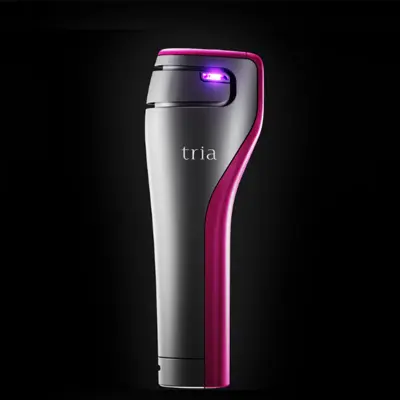
| 波長 | 1450nmフラクショナルダイオード |
| テクノロジー | フラクショナル(MTZ配信) |
| ダウンタイム | 24〜72時間の軽度の赤み/剥離 |
| ターゲットの懸念事項 | 色素沈着、シミ、肌のざらつき、毛穴 |
| 肌タイプ | フィッツパトリックI〜III(注意:より暗い肌色には注意) |
| 認証 | FDA承認のクラスII |
- 家庭用のみのフラクショナルダイオードレーザー
- このグループの色素沈着に最も効果的
- FDA承認済みで臨床実績あり
- エントリーレベルのフラクセルセッションに匹敵
- 軽度のダウンタイム(赤み、剥離)
- より暗いフィッツパトリックタイプには適さない
- 酒さや非常に反応性の高い肌には不適
7. NIRA Precision Laser
眼の周り(眼窩周囲)と唇の周り(口唇周囲)は、成熟した肌の老化が最も顕著で、安全に家庭で治療するのが最も難しい2つの領域です。ほとんどのハンドヘルドデバイスはこれらの繊細なゾーンには大きすぎたり、出力が強すぎたりします。NIRA Precision Laserは、この問題に特化して設計されており、より小さな治療先端と較正された低出力により、眼窩骨と口唇縁の2mm以内で効果的かつ安全に使用できます。.
技術的には、PrecisionはPro 3と同じ1450nmの非アブレイティブ非フラクショナルメカニズムを使用しています — ほぼ完全な真皮水分吸収、制御された熱刺激、表皮損傷なし — であり、より薄い真皮に合わせたエネルギー密度で、眼窩周囲と口唇周囲のゾーンに適用されます。55歳以上の女性にとって、これらのエリアはしばしば最初に現れる最も憂慮すべき老化の兆候であり、従来の家庭用デバイスでは限定的な支援しか得られません。Precisionはそのギャップを直接埋めます。.

| 波長 | 1450nm 非侵襲性 |
| 専門的なゾーン | 目の下、唇のライン、鼻のしわ |
| 認証 | FDA承認のクラスII |
| ダウンタイム | なし |
| 対応機種 | NIRA Pro(補助デバイス) |
- 目の周り専用に設計された家庭用レーザーのみ
- FDA承認済み、デリケートなゾーンに合わせて校正済み
- NIRA Pro 3と組み合わせて全顔システムを補完
- ダウンタイムなし
- ターゲット治療に限定(全顔ではない)
- Pro 3と組み合わせると最もコストパフォーマンスが高い
8. NuFACE Trinity+
NuFACE Trinity+はこのリストの中で独特の位置を占めています:レーザーや光を使ったデバイスではなく、筋肉の老化部分に働きかけるマイクロカレントフェイシャルトーニングシステムです。コラーゲン刺激技術だけでは完全に補えない部分です。55歳以降、顔の筋肉は徐々に萎縮し、たるみやくぼみの原因となります。Trinity+はこれに対して優しく電気刺激を行います。.
NuFACEが安価なマイクロカレント模倣品と異なる点は、その波形仕様にあります。Trinityは真の双極性電流を使用しており、正と負のパルスを交互に流すことで、筋肉の偏極を防ぎます。これは、低品質の単極性マイクロカレントデバイスの長期使用による顔の非対称やたるみを引き起こす生理現象です。電流は335μAの範囲で動作し、成熟した肌に安全な刺激閾値内に収まります。また、肌のインピーダンス変動に関係なく一定の出力を維持します。.

| 電流タイプ | 双極性マイクロカレント |
| 出力 | 335μA |
| 認証 | FDA承認のクラスII |
| セッション時間 | 5〜20分 |
| アタッチメント | モジュール式(ELE、しわ改善アタッチメント) |
| 推奨使用方法 | 最初は週5回、その後は週2〜3回のメンテナンス |
- FDA承認済みの双極性マイクロカレント
- 筋肉の老化に対処する(このリスト内で唯一)
- モジュラーシステム(しわ削減剤、ELEを追加)
- 2〜4週間で目に見える引き締まり効果
- 導電ジェルが必要です(継続的な費用がかかります)
- 技術依存の結果
- レーザーではありません — 色素沈着には対応していません
9. TriPollar STOP VX Gold 2
TriPollarは、多電極RF技術により、モノポーラーシステムよりも肌表面にエネルギーをより均一に分散させることで評判を築いてきました。これによりホットスポットのリスクが低減され、特に55歳以上の女性にとって重要なポイントです。STOP VX Gold 2は、RFコアにダイナミックマッスルアクティベーション(DMA)を追加しています:RF治療中に顔の筋肉を同期して刺激する電気インパルスで、コラーゲン刺激効果を高めるとともに、筋肉の引き締めも同時に行います。.
臨床的には、モノポーラーRF療法は、制御された深さで真皮に均一な熱を伝え、コラーゲンの直接収縮と即時の肌の引き締めを引き起こし、その後、コラーゲン束のリモデリングと再配向、そして新しいコラーゲンの形成が治療後数ヶ月かけて行われます。マルチポーラーアプローチは、同じ熱効果をより広範囲に分散させるため、特に下顔面 — 顎ライン、フェイスライン、首 — のたるみが最も顕著な成熟肌に対して効果的です。.

| RFタイプ | マルチポーラーラジオ波 |
| 追加技術 | ダイナミックマッスルアクティベーション(DMA) |
| ターゲットゾーン | 全顔; 専門部位:フェイスライン、顎、首 |
| 認証 | CEマーク取得、臨床グレード設計 |
| 結果のタイムライン | 4週間で効果が見え始め、ピークは12週間 |
- マルチポーラーRFはホットスポットのリスクを低減
- RF + DMAの二重メカニズムを一度の通過で実現
- 特に下顔面のたるみに効果的
- 臨床グレードの技術遺産
- 導電性ジェルが必要
- 同等のシングルRFデバイスより高価格
- 最適な電極圧力を習得するための習熟曲線
10. Braun Silk Expert Pro 5 IPL
ブラウンシルクエキスパートPro 5は、このリストに唯一含まれるIPLデバイスであり、その選択は意図的です — ただし注意点もあります。IPLはレーザーやRFと比べてコラーゲンを刺激しませんが、長年の紫外線曝露による広範な老人性色素斑、拡散性紅斑、不均一な肌トーンに悩む55歳以上の女性にとって、IPLは色素ターゲット(メラニンとヘモグロビン)に最も効果的な家庭用ツールです。.
シルクエキスパートPro 5を一般的なIPLデバイスより優れたものにしているのは、センスアダプト肌色センサーで、これが皮膚の色に合わせてパルスの強さを80倍/秒で自動調整します。これは成熟した肌にとって重要な安全機能です:55歳以降によく見られる色素沈着の多い部分は、適応型トーンセンサーのないデバイスではIPLエネルギーを予測できず、炎症後色素沈着を引き起こす可能性があります。ブラウンシルクエキスパートPro 5 IPLは自動肌色センサー、多段階の強度調整を備え、女性の健康やヴォーグの専門家から精度と効果について高く評価されています。.

| テクノロジー | IPL(インテンシブパルスライト)とセンスアダプト |
| 肌色センサー | 適応型、80倍/秒のキャリブレーション |
| 主な用途 | 色素沈着、老人性色素斑、トーン均一化 |
| 副次的用途 | 脱毛、肌の透明感向上 |
| 肌タイプ安全性 | フィッツパトリックI–V(VIは不可) |
- 老人性色素斑の除去に最適な家庭用ツール
- 安全性のための適応型肌色センサー
- 二重の効果:肌色と脱毛
- 専門家認定、多くのレビュー
- コラーゲンを構造的に刺激しない
- フィッツパトリックVIには適さない
- レーザーやRFと比べた若返り効果は限定的
なぜ家庭用美容デバイスは成熟した肌に対して異なる効果をもたらすのか?
55歳以降の肌に実際に何が起こるのかを理解することは、適切なデバイスを選ぶ上で最も重要な要素であり、多くの競合製品レビューにおいて最大のギャップの一つです。科学が示すところによると、閉経後の5年間で真皮は約25〜30%のコラーゲンを失います。これは、 英国皮膚科学雑誌. に掲載された研究によるものです。同時に、表皮と真皮の境界である基底膜は薄くなり、構造も弱くなるため、エネルギーを利用したデバイスは若い頃よりも厚みのある肌よりも異なる浸透をします。.
重要な結果:標準的なエネルギー出力に設定されたデバイスは、40代の肌にはわずかに温かく感じられるかもしれませんが、成熟した肌には過剰な熱反応を引き起こす可能性があります。これが、肌の色調センサーと調整可能なエネルギーレベルを備えたFDA承認済みのデバイスが 贅沢な機能ではなく 55歳以上の女性にとっては.
安全性の必須条件です。
55歳以降の肌の三つの最も重要な変化. 熱耐性の低下。.
真皮の水分量の減少と表皮の薄さにより、RFやレーザーのエネルギーは組織をより速く加熱します。治療温度を45°C以上に保つデバイスは、微小損傷を引き起こすリスクがあり、治療効果を得られません。最も安全な家庭用RFデバイスは、組織温度を40〜44°Cの治療範囲に維持し、過熱を検知すると自動的に停止します。. 細胞のターンオーバーの遅延。.
30歳の角化細胞のサイクルは約28日ですが、55歳以降は40〜60日に延びることがあります。これにより、コラーゲンのリモデリングにはより長い時間がかかり、結果の遅れに対しては忍耐力が必要です。デバイスの出力を上げるのではなく、待つことが正しい対応です。. 光感受性の亢進。.
長年の紫外線曝露により、色素沈着が表面に近づくことが多くなります。トーンキャリブレーションされていないIPLデバイスは、炎症後色素沈着(PIH)を引き起こす可能性があり、特に色素沈着や光ダメージの多い肌には注意が必要です。メラニン吸収ピーク以下で動作する非アブレーションレーザーやLED技術は、一般的により安全です。
技術ガイド:レーザー vs. IPL vs. RF vs. LED — 55歳以上の女性に実際に効果的なものは何か.
私がこの年齢層のクライアントにアドバイスする際に最もよく見かける誤りの一つは、技術の適合性よりもブランド認知度に基づいてデバイスを購入することです。例えば、$300のIPLデバイスは、体毛除去には素晴らしい結果をもたらす一方で、顔にはほとんどコラーゲン反応を示さないことがあります。以下に、それぞれの技術カテゴリーの正直なスペックレベルの解説を示します。
非アブレーションレーザー(1450nm、1064nm).
非アブレーションレーザーは、外層の表皮を傷つけることなく、真皮にターゲットを絞った熱エネルギーを供給します。NIRAで使用される1450nmの波長では、エネルギーはほぼ完全に真皮の水分に吸収され、正確な熱ゾーンを作り出し、線維芽細胞の活性化と新しいコラーゲンの合成を促します。これは、院内の非アブレーション治療(例:Palomar Lux1540)に最も近い類似物です。結果のタイムライン:初期改善には4〜6週間、ピークのコラーゲンリモデリングには12〜16週間かかります。
フラクショナルレーザー(1450nmフラクショナル).
近赤外線 / 低レベルレーザー療法(808nm NIR)
808nmのLLLTは、熱を発生させずに細胞の光生物調節を誘発する非熱的な光子エネルギーを提供し、ミトコンドリアレベルでATP産生と線維芽細胞の活動を刺激します。LYMAレーザーはこの波長で動作します。特に成熟した肌に適しており、熱傷を伴わないため安全ですが、結果を蓄積させるには毎日の継続的な使用が必要です。.
ラジオ波(RF、1 MHz)
RFエネルギーは、真皮および皮下層に制御された抵抗加熱を生み出し、既存のコラーゲン繊維を直接収縮させ(即時引き締め)、長期的には新しいコラーゲンの形成(リモデリング、治療後2〜3ヶ月)を促進します。査読済みのデータによると PMC(NCBI) モノポーラRF療法後にコラーゲンタイプIとタイプIIIの両方の増加が統計的に有意であることが示されています。55歳以上の女性にとっては、レーザーだけでは対応できないたるみやたるみ改善に特に有効です。.
LED / 光生物調節
LED療法は、皮膚の色素に特定の波長が吸収されることで作用します。633nmの赤色は表面の線維芽細胞を刺激し、炎症を抑えます。830nmの近赤外線は真皮に4mm深く浸透し、より深いコラーゲンを促進します。1072nmの深赤外線は皮下脂肪層に到達します。LEDは熱を発生せず、表皮損傷のリスクもないため、過敏な成熟肌にとって最も安全なエントリーポイントです。エネルギーを利用したデバイスの補完として使用するのが最適であり、置き換えではありません。.
EMS(電気筋肉刺激)
EMSデバイスは、低レベルの電気パルス(通常60〜300μA)を顔の筋肉に送信し、アブレーションや熱エネルギーを伴わずにトーンと輪郭を改善します。顎ラインや頬の輪郭に効果的です。重要な仕様:デバイスは筋肉の疲労や偏光効果を防ぐために双極性電流(正負交互のパルス)を使用しなければなりません。単極性電流のみを使用するデバイスは、長期使用で顔の非対称を引き起こすリスクがあります。.
美容デバイスの選び方:55歳以上の女性のための意思決定フレームワーク
私の経験では、自宅用美容技術についてクライアントにアドバイスする際、最も一般的な間違いは、最も印象的なマーケティングの主張に基づいてデバイスを選ぶことであり、特定の老化の悩みに合った技術とマッチさせることを怠ることです。ここでは、55歳以上の方の生理学と優先事項に特化した実用的な意思決定フレームワークを紹介します。.
ステップ1:あなたの主な老化の悩みを特定する
深いしわと肌の弾力低下: 非侵襲性レーザー(NIRA Pro 3)またはNIR LLLT(LYMA)は、最も直接的なコラーゲンリモデリング反応をもたらします。どちらも表面の外傷なしに真皮深部で動作します。.
たるんだ顎ライン、フェイスラインのたるみ、顔の輪郭の喪失: RF技術(TriPollar STOP VX、NICEMAY MR-2331)とマイクロカレント(NuFACE Trinity+)の組み合わせは、真皮のコラーゲンリモデリングと筋肉のリハビリテーションの二つの角度からたるみを改善します。どちらか一方だけではこの効果は得られません。.
シミ、肌の不均一なトーン、光老化: より重度の場合はTria FRX(フラクショナルリサーフェシング)、またはダウンタイムなしでトーンを均一にするBraun Silk Expert Pro 5(IPL)を使用します。フィッツパトリックIV〜Vの場合は、適応トーンセンシング機能付きのIPLを選び、フラクショナルレーザーは避けてください。.
敏感肌や反応性肌、赤ら顔、施術後の回復: LEDのみの治療(Omnilux Contour、CurrentBody Series 2)は最も安全なエントリーポイントです。熱エネルギーゼロ、紫外線ゼロ、摩擦ゼロ。エネルギーを使用したデバイスを検討する前に、8〜12週間かけて結果をゆっくりと築き上げてください。.
ステップ2:総所有コストを含む現実的な予算を設定する
よくある見落とし:最初のデバイスの価格は総投資額ではありません。考慮すべき点:
- 交換用チップまたは治療ヘッド(NIRAデバイス:$30〜$50/年)
- RFおよびEMSデバイス用導電性ジェル(定期的な使用で月額$20〜$40)
- 互換性のある美容液(RFセッション用のヒアルロン酸、LED前の抗酸化美容液)
- SPFの約束:すべてのレーザーおよび光デバイスは肌を敏感にするため、日常的なSPF50+が不可欠です
美容デバイスの選び方:55歳以上の女性のための意思決定フレームワーク
このセクションは、55歳以上の女性に特有の実用的で見落とされがちな安全性の考慮事項を扱います。ほとんどのデバイスマニュアルは一般的な成人ユーザー向けに書かれており、何十年もUV曝露、ホルモンの変化、進行性の構造変化を経験した肌には適していません。これらのガイドラインはメーカーの指示を補足するものであり、置き換えるものではありません。.
セッション前の確認事項:5ポイントチェック
1. 薬剤の確認。. レチノイド(トレチノイン、アダパレン)、AHA/BHA、特定の血圧降下薬(ヒドロクロロチアジドなど)は光感受性を高めます。レーザーやフラクショナル治療の48時間前に局所レチノイドを中止してください。全身性薬剤については薬剤師に相談してください。.
2. 活性肌状態。. 口唇ヘルペス、開放創、活動性の紅斑性潮紅、湿疹の斑点、または最近の美容注射(2週間以内)は、影響を受けた部位のエネルギーデバイスの使用を禁忌とします。.
3. 42〜45°CのRFルール。. 効果的なRFは真皮温度40〜44°Cでコラーゲンを刺激します。45°Cを超えると真皮損傷のリスクがあります。RF治療中に過剰に熱を感じた場合は、直ちに出力を下げてください。熱感は効果の指標ではありません。.
4. パッチテストの手順。. 新しいデバイスを使用する場合は、耳の後ろや手の内側の5×5cmのパッチを最低設定で処置します。48時間待ちます。異常反応がなければ次のステップに進んでください。.
5. 日光曝露のタイミング。. 新たに日光にさらされた肌にはデバイスの使用を避けてください(24時間以内)。レーザーやフラクショナル治療後は、48〜72時間直射日光を避け、治療部位にSPF50+を塗布してください。.
マルチデバイスプロトコルの構築
最も効果的な方法は、単一のデバイスに頼るのではなく、補完的な技術を組み合わせることです。55歳以上の女性向けの実用的なプロトコル例:
- 毎日(10分): LEDマスク(CurrentBodyまたはOmnilux) — 毎日のコラーゲン刺激にリスクゼロ
- 週に3回: NIRA Pro 3レーザー — 部位ごとのしわ改善をターゲットに
- 週に2回: NICEMAY MR-2331 RF + EMS — 顎ラインや頬のリフトアップと引き締めのパス
- 毎週: Tria FRX(適切な肌タイプの場合)— テクスチャーと色素沈着のリサーフェシングセッション
高エネルギーデバイスを同じセッションで重ねて使用しないこと。同じ肌ゾーンでRFとレーザー治療の間隔は少なくとも48時間空けること。.
主要技術比較の概要
- マイクロカレント → 最適:徐々に筋肉を再教育し、時間をかけて累積的にリフトします。感じるのは:何も感じないか、軽いチクチク感。.
- ラジオ波 (RF) → 最適:真の皮膚の弛み、真皮の薄化、深いコラーゲンの再構築。感じるのは:穏やかな温かさ。.
- EMS(筋電気刺激) → 最適:筋肉の再調整、鋭い角の定義、二重あご。感じるのは:穏やかなタッピングまたは軽い収縮。.
よくある質問:顎ラインの輪郭形成デバイス
家庭用レーザー機器は55歳以上の女性に実際に目に見える効果をもたらすのでしょうか、それともこれはマーケティングの誇大広告でしょうか?
家庭での非アブレイティブレーザーとフラクショナルレーザーの違いは何ですか?
RF(ラジオ波)は55歳以上の成熟した肌に安全ですか?
自宅用LEDマスクの効果を実感するまでどのくらいかかりますか?
レチノールやレチノイドを使用している間にレーザーやRFデバイスを使用してもよいですか?
複数のデバイスを組み合わせる価値はありますか、それとも一つだけ選ぶべきですか?
家庭用美容デバイスにおけるFDAの承認は実際に何を意味するのでしょうか?
安価なRFデバイスが害をもたらすのか、それとも役立つのかどうやって判断すればいいですか?
フォームにメールアドレスを入力してください。すぐにお手伝いします!