


Microcurrent Cleansing vs Manual Brush: Which One Actually Transforms Your Skin?

Microcurrent facial cleansing devices and manual brushes both promise a deeper, more thorough clean — but they work in fundamentally different ways. Microcurrent technology uses low-level electrical impulses to actively stimulate facial muscles and disrupt surface bacteria, while a manual brush relies entirely on physical exfoliation and your technique. For most people, the right choice comes down to skin goals, sensitivity level, and how much they’re willing to invest in their routine.
If you want the short answer: microcurrent cleansing tends to deliver more consistent, clinically meaningful results — especially for aging concerns, dullness, and congestion — but a quality manual brush remains a capable, budget-friendly option when used correctly.

What Is Microcurrent Cleansing? Understanding the Technology
Microcurrent cleansing devices deliver extremely low-voltage electrical currents — typically in the range of 10 to 600 microamperes — directly to the skin during the cleansing process. These currents are modeled after the body’s own bioelectric signals and are designed to interact with the skin at a cellular level, not just at the surface.
Unlike traditional electrotherapy devices that contract muscles with noticeable intensity, microcurrent cleansers operate below the sensory threshold. Most users feel nothing beyond a gentle warmth or subtle tingling, making the technology accessible even for reactive skin types.
How Microcurrent Cleansing Works on the Skin?
When microcurrent energy is applied during cleansing, three things happen simultaneously:
- Biofilm disruption: The electrical current destabilizes bacterial biofilm — the organized colonies of microorganisms that standard cleansers struggle to penetrate — leading to more thorough removal of acne-causing bacteria and surface impurities.
- ATP stimulation: Microcurrents are known to boost adenosine triphosphate (ATP) production within skin cells by up to 500%, according to published research. ATP is the energy currency of the cell, fueling collagen synthesis and cellular repair.
- Enhanced product absorption: The mild electrical charge temporarily increases skin permeability, allowing serums and active ingredients applied post-cleanse to penetrate more effectively.
Types of Microcurrent Cleansing Devices
Not all microcurrent cleansers are built the same. The category includes three main formats:
- Standalone microcurrent lifters with cleansing heads — premium devices that combine toning and cleansing in a single pass (e.g., NuFACE Trinity with a cleansing attachment).
- Microcurrent cleansing brushes — devices that embed microcurrent electrodes into a traditional brush-style form factor, delivering current as you cleanse.
- 2-in-1 LED and microcurrent hybrids — a growing category that pairs photobiomodulation with microcurrent during the cleansing step, adding anti-inflammatory and collagen-stimulating light wavelengths to the mix.
If you’re exploring the broader landscape of high-tech cleansing hybrids, the guide on LED Cleanser vs Regular Brush: Is 2-in-1 Glow + Clean Worth It? offers a thorough breakdown of how light-based cleansing stacks up against conventional brush methods — useful context for anyone considering a multi-function device.
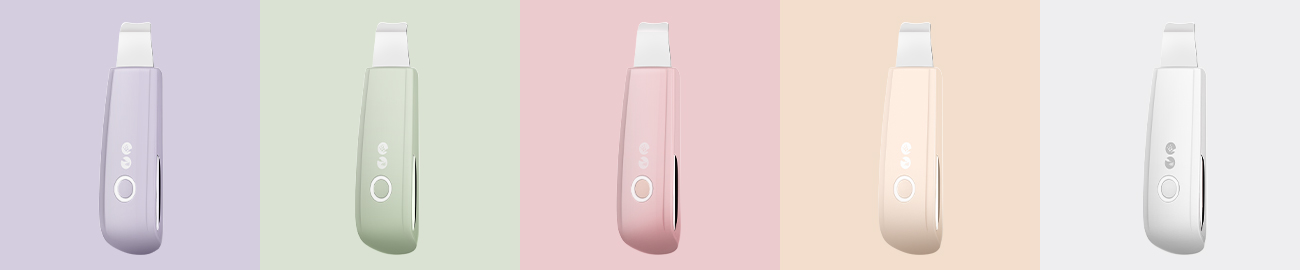
What Is a Manual Facial Brush? How It Compares at the Foundation?
A manual facial brush is a non-powered cleansing tool — typically featuring soft nylon or natural-fiber bristles set in a paddle or round head — used with gentle circular or sweeping motions to manually exfoliate and cleanse the skin. It is entirely technique-dependent: the results you get are a direct function of how you use it.
What a Manual Brush Does Well?
Despite its simplicity, a quality manual brush is not without merit. Its primary advantages are physical exfoliation, pore-clearing, and improved circulation from the massage-like scrubbing action. When paired with an active cleanser — such as one containing salicylic acid or enzymes — it can enhance ingredient delivery by removing the layer of dead cells that would otherwise impede penetration.
Key Benefits of Manual Brush Cleansing
- No charging, no batteries — genuinely low-maintenance
- Gentle enough for daily use on normal to slightly oily skin when bristles are soft
- Easy to control pressure, especially around the eye contour
- Hygienic when properly dried and replaced regularly (every 3–4 months)
- Budget-accessible at virtually every price point
Limitations That Matter for Skin Health
- Zero impact on underlying facial muscles or cellular metabolism
- No ability to disrupt bacterial biofilm below the surface
- Results are inconsistent — highly dependent on user technique and time invested
- Risk of over-exfoliation with frequent use, especially on dry or sensitized skin

Microcurrent Cleansing vs Manual Brush: Head-to-Head Comparison
| FEATURE | MICROCURRENT CLEANSING | MANUAL BRUSH |
|---|---|---|
| Primary Mechanism | Bioelectric stimulation + gentle movement | Physical scrubbing and friction |
| Plaque & Biofilm Removal | Superior — disrupts biofilm electrically | Moderate — surface-level only |
| Anti-Aging Benefit | Stimulates ATP, supports collagen production | None — purely mechanical |
| Skin Sensitivity Compatibility | Generally gentle; suitable for rosacea, braces, implants | Variable — bristle hardness determines risk |
| Consistency of Results | High — device-controlled delivery | Low-Medium — technique-dependent |
| Product Absorption Enhancement | Yes — increases skin permeability | Limited — only surface exfoliation |
| Cost Range | $80–$400+ | $5–$50 |
| Learning Curve | Low — device guides the process | Medium — requires consistent technique |
| Best For | Aging, congestion, sensitivity, performance-focused routines | Budget-conscious users with good technique |

BJ-1357

bj-1809

MR-2360
Microcurrent Cleansing vs Manual Brush for Specific Skin Concerns
For Acne-Prone and Congested Skin
Microcurrent cleansing has a distinct clinical advantage here. Research consistently shows that the electrical current disrupts the integrity of bacterial biofilm — the protective matrix that allows Cutibacterium acnes (formerly P. acnes) to thrive in pores. A manual brush can remove surface debris effectively, but it cannot reach or disable biofilm communities lodged in the follicular canal.
If congestion and breakouts are your primary concerns, microcurrent cleansing will likely outperform a manual brush measurably within four to six weeks of consistent use.
For Anti-Aging and Skin Lifting Goals
This is where microcurrent cleansing is genuinely in a category of its own. Manual brushes have no mechanism for stimulating facial muscles, boosting collagen synthesis, or re-educating muscle memory — all of which are well-documented effects of consistent microcurrent application. If fine lines, loss of definition along the jawline, or reduced skin firmness are driving your skincare decisions, a microcurrent device justifies the investment far more convincingly than any brush can.
For Sensitive, Reactive, or Rosacea-Prone Skin
Counterintuitively, microcurrent cleansing is often the safer choice for reactive skin types. Because it relies on gentle electrical stimulation rather than abrasive friction, it avoids the mechanical irritation that bristles — even soft ones — can cause on compromised barriers. Many dermatologists now recommend microcurrent devices specifically for patients with rosacea who still want a thorough, active cleanse.
That said, those with pacemakers, metal implants near the face, or active inflammatory skin conditions should consult a dermatologist before introducing any microcurrent tool into their routine.
For Beginners Building a Skincare Routine
If you’re just establishing a consistent cleansing habit and aren’t yet targeting specific skin concerns, a quality manual brush is a perfectly reasonable starting point. The barrier to entry is low, and building the discipline of twice-daily cleansing matters more at this stage than the tool you use to do it.
Once you’re ready to graduate toward more targeted results, exploring the intersection of manual and electric approaches is worth your time. The article comparing Gua Sha vs Electric Facial Brush: Manual or Electric for Beginners? is an excellent next step — it maps out exactly how to think about transitioning from a purely manual routine to a device-based one, without overcomplicating your regimen from the start.
Frequently Asked Questions: Microcurrent Cleansing vs Manual Brush
Can I use a microcurrent cleansing device every day?
Is microcurrent cleansing safe for all skin tones?
How soon will I see results from microcurrent cleansing versus a manual brush?
Do I still need a cleanser with a microcurrent device?
Can pregnant people use microcurrent cleansing devices?




Please fill in your email in the form and we’ll get back to assist you soon!