


Микротоковое очищение против ручной щётки: что на самом деле преображает вашу кожу?

Устройства для очищения лица с микротоками и ручные щетки обещают более глубокую и тщательную очистку, но работают они совершенно по-разному. Микротоковая технология использует низкоуровневые электрические импульсы для активной стимуляции лицевых мышц и разрушения поверхностных бактерий, в то время как ручная щетка полностью полагается на физическое отшелушивание и вашу технику. Для большинства людей правильный выбор сводится к целям по уходу за кожей, уровню чувствительности и тому, сколько они готовы инвестировать в свою рутину.
Если вам нужен короткий ответ: микротоковое очищение, как правило, дает более последовательные и клинически значимые результаты — особенно для проблем старения, тусклости и закупорки — но качественная ручная щетка остается способным и бюджетным вариантом при правильном использовании.

Что такое микротоковое очищение? Понимание технологии
Устройства для очищения с микротоками передают чрезвычайно низковольтные электрические токи — обычно в диапазоне от 10 до 600 микроампер — непосредственно на кожу в процессе очищения. Эти токи моделируются по аналогии с биэлектрическими сигналами организма и предназначены для взаимодействия с кожей на клеточном уровне, а не только на поверхности.
В отличие от традиционных электролечебных устройств, которые сокращают мышцы с заметной интенсивностью, микротоковые очищающие устройства работают ниже сенсорного порога. Большинство пользователей не ощущают ничего, кроме легкого тепла или тонкого покалывания, что делает эту технологию доступной даже для чувствительных типов кожи.
Как работает микротоковое очищение кожи?
При применении микротоковой энергии во время очищения одновременно происходят три вещи:
- Разрушение биопленки: Электрический ток destabilizes bacterial biofilm — организованные колонии микроорганизмов, которые стандартные средства очистки с трудом проникают — что приводит к более тщательному удалению бактерий, вызывающих акне, и поверхностных загрязнений.
- Стимуляция АТФ: Микротоки известны тем, что повышают производство аденозинтрифосфата (АТФ) в клетках кожи до 500%, согласно опубликованным исследованиям. АТФ — это энергетическая валюта клетки, которая способствует синтезу коллагена и клеточному восстановлению.
- Улучшенное проникновение продукта: Мягкий электрический заряд временно увеличивает проницаемость кожи, позволяя сывороткам и активным ингредиентам, нанесённым после очистки, проникать более эффективно.
Типы устройств для микротоковой очистки
Не все микротоковые очищатели одинаковы. В категорию входят три основных формата:
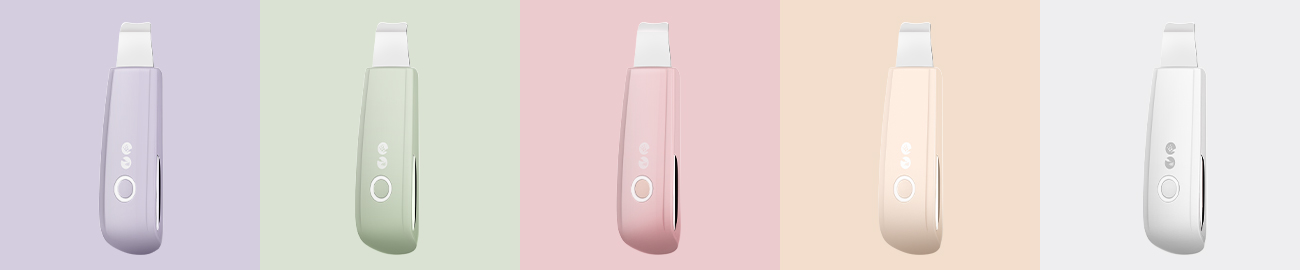
- Самостоятельные микротоковые лифтеры с очищающими насадками — премиальные устройства, сочетающие тонизирование и очистку за один проход (например, NuFACE Trinity с очищающим насадкой).
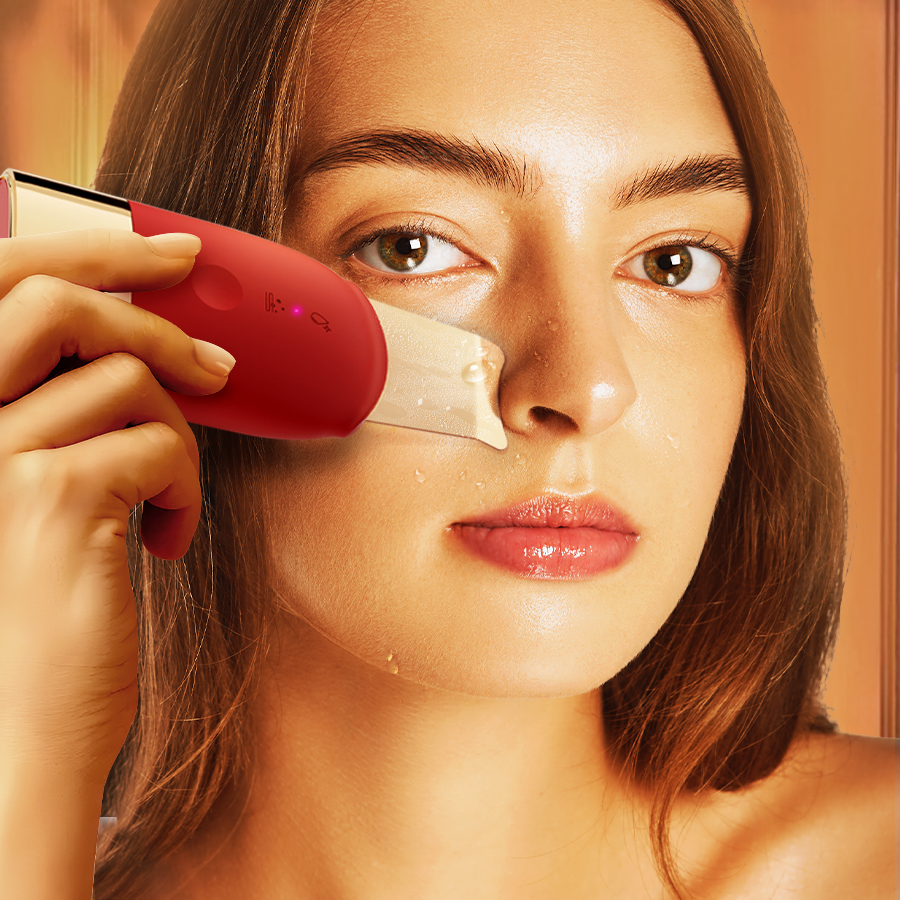
- Микротоковые щётки для очистки — устройства, в которых встроены микротоковые электроды в традиционную щеточную форму, подающие ток во время очистки.
- Гибриды 2-в-1 с LED и микротоками — растущая категория, сочетающая фотобиомодуляцию с микротоками во время этапа очистки, добавляя световые волны с противовоспалительным и стимулирующим коллаген эффектом.
Если вы исследуете более широкий спектр высокотехнологичных гибридных устройств для очистки, руководство по LED-очиститель против обычной щётки: стоит ли 2-в-1 сияние + очистка? предлагает подробный разбор того, как световая очистка сравнивается с традиционными методами щётки — полезный контекст для тех, кто рассматривает многофункциональное устройство.
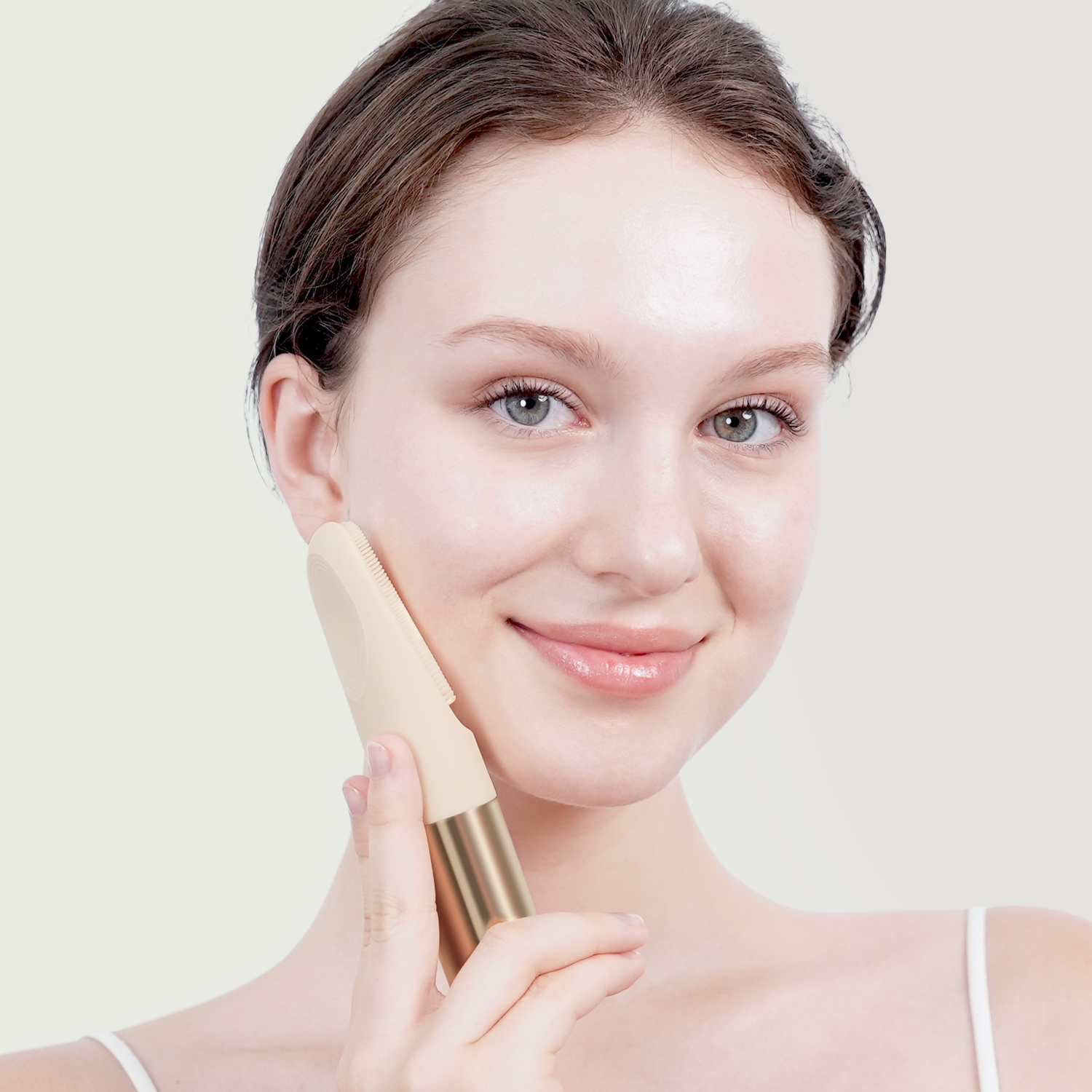
Что такое ручная массажная щётка для лица? Чем она отличается по сути?
Ручная щетка для лица — это неэлектрический очищающий инструмент — обычно с мягкими нейлоновыми или натуральными волокнами, закрепленными в плоской или круглой головке — используемый с мягкими круговыми или скользящими движениями для ручной эксфолиации и очищения кожи. Весь процесс зависит от техники: результаты напрямую зависят от того, как вы её используете.
Что хорошо делает ручная щетка?
Несмотря на простоту, качественная ручная щетка не лишена достоинств. Основные преимущества — физическая эксфолиация, очищение пор и улучшение циркуляции за счет массажного скрабирования. В сочетании с активным очищающим средством — например, содержащим салициловую кислоту или ферменты — она может повысить эффективность доставки ингредиентов, удаляя слой мертвых клеток, который иначе мешал бы проникновению.
Ключевые преимущества очищения с помощью ручной щетки
- Нет необходимости в зарядке, батареях — действительно низкое обслуживание
- Достаточно мягкая для ежедневного использования на нормальной и слегка жирной коже, когда щетина мягкая
- Легко контролировать давление, особенно вокруг контура глаз
- Гигиенично при правильной сушке и регулярной замене (каждые 3–4 месяца)
- Доступна по цене практически в любом ценовом сегменте
Ограничения, важные для здоровья кожи
- Не влияет на мышцы лица или клеточный метаболизм
- Не способен разрушать бактериальный биопленку под поверхностью
- Результаты непоследовательны — сильно зависят от техники пользователя и затраченного времени
- Риск переэксфолиации при частом использовании, особенно на сухой или чувствительной коже

Микротоковое очищение против ручной щетки: сравнение по категориям
| ФУНКЦИЯ | МИКРОТОКОВОЕ ОЧИЩЕНИЕ | РУЧНАЯ ЩЕТКА |
|---|---|---|
| Основной механизм | Биоэлектрическая стимуляция + мягкое движение | Физическая очистка и трение |
| Удаление налета и биопленки | Превосходное — разрушает биопленку электрически | Умеренное — только на поверхности |
| Антивозрастной эффект | Стимулирует АТФ, поддерживает производство коллагена | Нет — чисто механическое |
| Совместимость с чувствительной кожей | Обычно мягкое; подходит для розацеа, брекетов, имплантов | Переменное — жесткость щетины определяет риск |
| Последовательность результатов | Высокий — доставка под контролем устройства | Низкий — средний — зависит от техники |
| Улучшение всасывания продукта | Да — увеличивает проницаемость кожи | Ограниченное — только поверхностное отшелушивание |
| Диапазон стоимости | $80–$400+ | $5–$50 |
| Кривая обучения | Низкий — устройство направляет процесс | Средний — требует последовательной техники |
| Лучшее для | Старение, застой, чувствительность, рутины, ориентированные на производительность | Пользователи с ограниченным бюджетом и хорошей техникой |

BJ-1357

bj-1809

MR-2360
Микротоковая очистка против ручной щетки для конкретных проблем кожи
Для склонной к акне и застойной кожи
Микротоковая очистка имеет явное клиническое преимущество здесь. Исследования постоянно показывают, что электрический ток разрушает целостность бактериального биопленки — защитной матрицы, которая позволяет Cutibacterium acnes (ранее P. acnes) процветать в порах. Ручная щетка может эффективно удалять поверхностные загрязнения, но не может достигнуть или отключить сообщества биопленки, расположенные в фолликулярном канале.
Если застой и высыпания — ваши основные проблемы, микротоковая очистка, скорее всего, превзойдет ручную щетку заметно в течение четырех-шести недель постоянного использования.
Для целей антивозрастной терапии и подтяжки кожи
Здесь микротоковая очистка действительно выделяется. Ручные щетки не имеют механизма для стимуляции мышц лица, увеличения синтеза коллагена или переобучения мышечной памяти — все это хорошо задокументированные эффекты постоянного применения микротоков. Если вас беспокоят мелкие морщины, потеря четкости по линии подбородка или снижение упругости кожи, устройство с микротоками оправдает инвестиции гораздо более убедительно, чем любая щетка.
Для чувствительной, реактивной или склонной к розацеа коже
Противоречиво, но микротоковая очистка часто является более безопасным выбором для реактивных типов кожи. Поскольку она основана на мягкой электрической стимуляции, а не на абразивном трении, она избегает механического раздражения, которое могут вызвать щетинки — даже мягкие — на поврежденных барьерах. Многие дерматологи сейчас рекомендуют устройства с микротоками именно для пациентов с розацеа, которые все еще хотят провести тщательную активную очистку.
Тем не менее, обладатели кардиостимуляторов, металлических имплантатов вблизи лица или активных воспалительных кожных заболеваний должны проконсультироваться с дерматологом перед использованием любого устройства с микротоками.
Для начинающих создание рутины по уходу за кожей
Если вы только начинаете вырабатывать последовательную привычку очищения и еще не нацелены на конкретные проблемы кожи, качественная ручная щетка — вполне разумный старт. Входные барьеры низки, и развитие дисциплины двойного очищения дважды в день важнее на этом этапе, чем инструмент, которым вы его делаете.
Когда вы будете готовы перейти к более целенаправленным результатам, изучение пересечения ручных и электрических методов стоит вашего времени. Статья, сравнивающая Gua Sha против Электрической щетки для лица: ручной или электрический для начинающих? является отличным следующим шагом — она точно показывает, как думать о переходе от полностью ручной рутины к использованию устройств, не усложняя ваш режим с самого начала.
Часто задаваемые вопросы: микротоковая очистка против ручной щетки
Могу ли я использовать микротоковое устройство для очищения каждый день?
Безопасна ли микротоковая очистка для всех оттенков кожи?
Как скоро я увижу результаты после микротоковой очистки по сравнению с ручной щеткой?
Мне всё ещё нужен очищающий средство при использовании устройства с микротоком?
Могут ли беременные использовать устройства для микротокового очищения?
Пожалуйста, заполните вашу электронную почту в форме, и мы скоро свяжемся с вами для помощи!