


Ultrasonic Facial Cleaner vs Thermal Vibration Cleanser: Which Is Best For You?

When it comes to modern facial cleansing devices, two technologies have risen to the forefront: the ultrasonic facial cleaner and the thermal vibration cleanser. Both go far beyond what a simple manual wash can achieve, but they accomplish their goals through fundamentally different mechanisms — one wielding high-frequency sound waves for deep-pore extraction, the other combining gentle vibration with therapeutic warmth for circulatory and surface-level benefits.
Ultrasonic facial cleaners excel at deep pore decongestion and exfoliation — ideal for oily, acne-prone, or congested skin used 2–3 times weekly. Thermal vibration cleansers combine mild warmth with vibratory cleansing for a gentle, circulation-boosting daily ritual suited to sensitive or dry skin types.
Choosing between them isn’t simply a matter of preference; it’s a matter of skin physiology. This guide breaks down exactly how each device works, who each is best suited for, and which one your skin routine genuinely needs.

How Ultrasonic Facial Cleaners and Thermal Vibration Cleansers Actually Work?
The Science Behind Ultrasonic Facial Cleaners
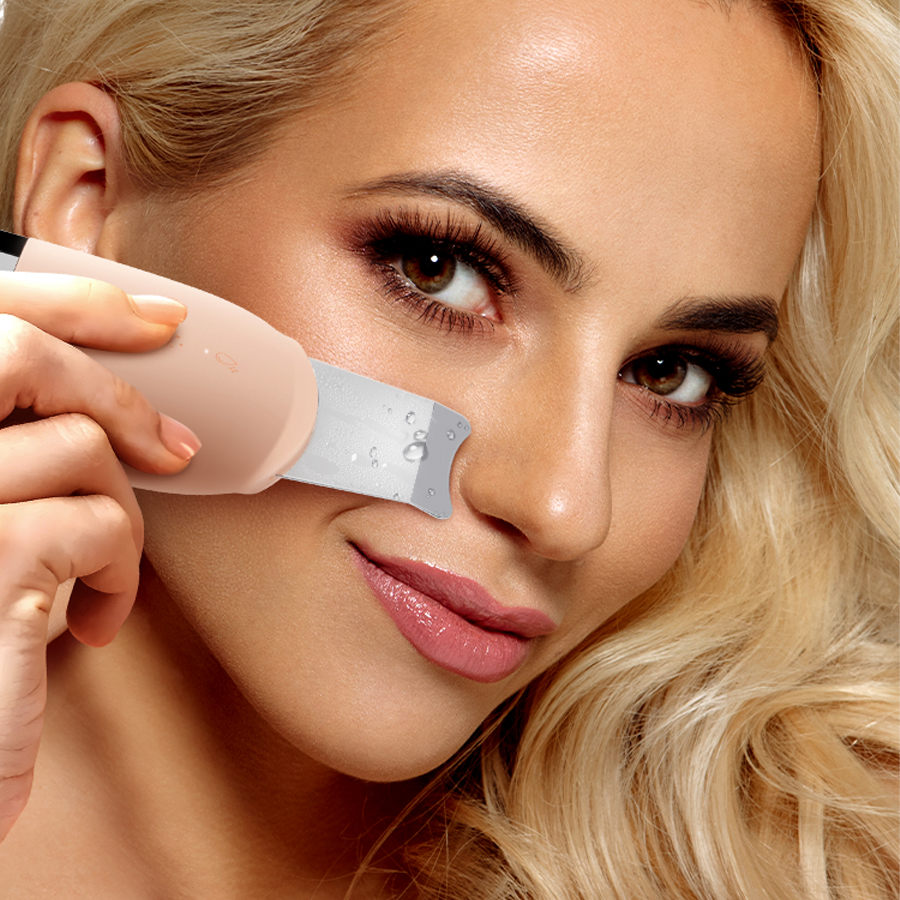
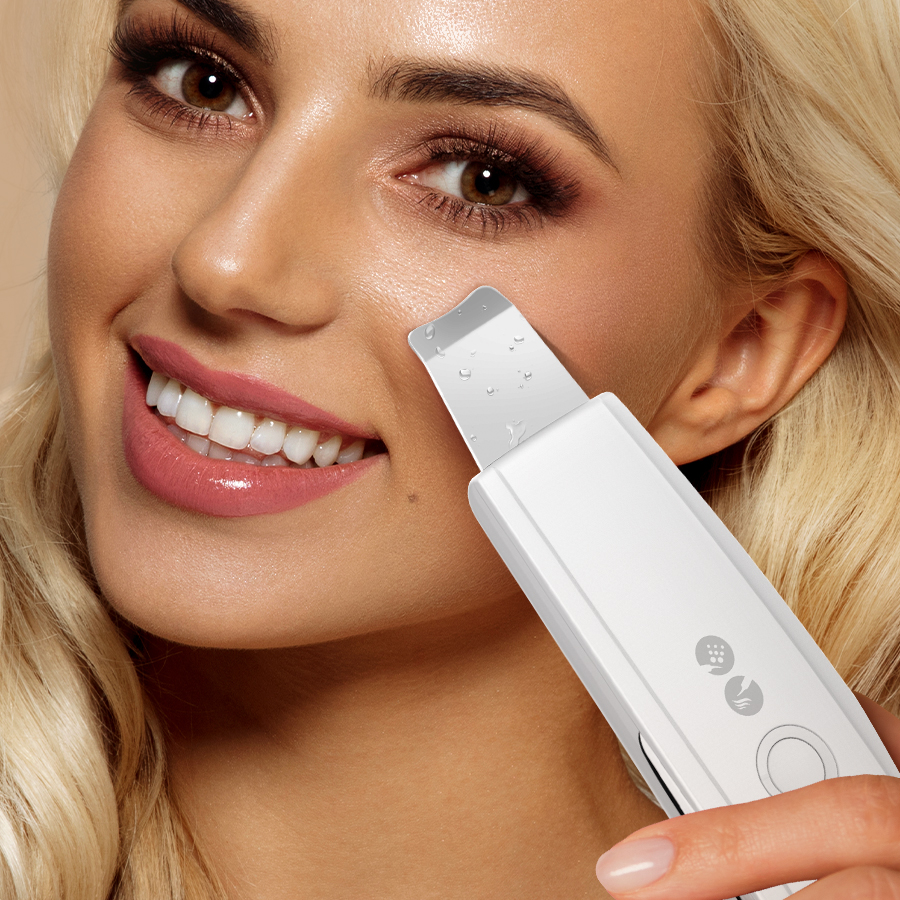
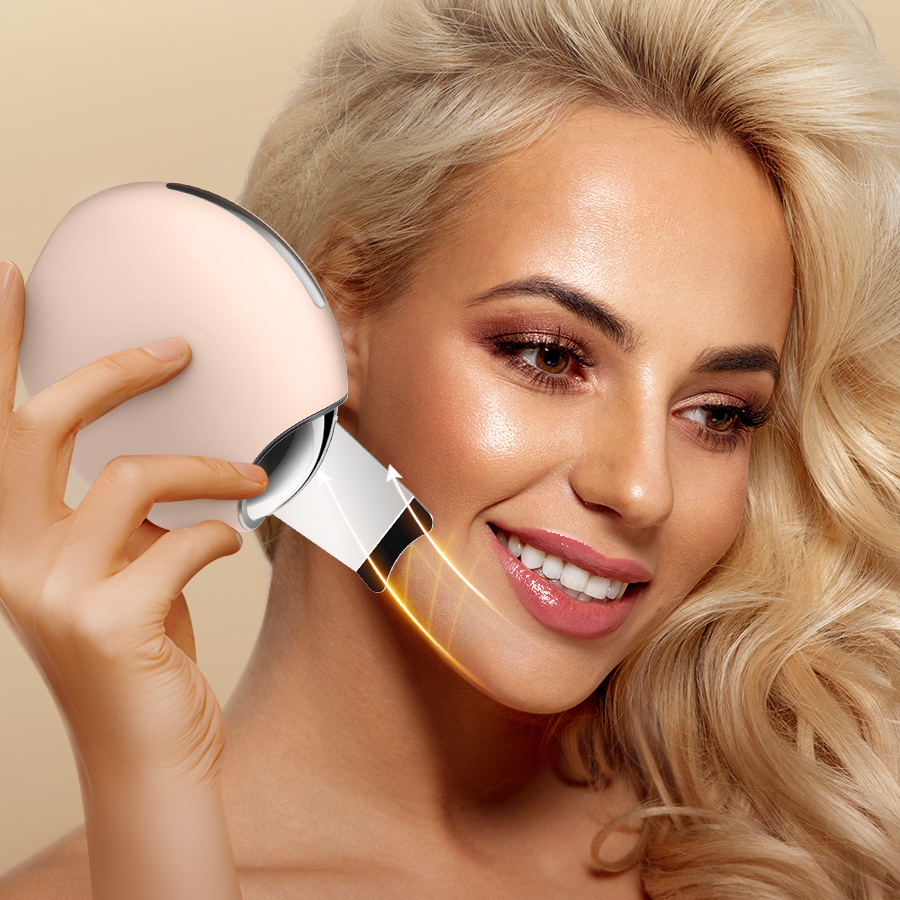
Ultrasonic facial cleaners — most commonly designed as flat metal spatulas — operate at frequencies typically between 24,000 and 30,000 Hz. At these rates, the metal tip vibrates at a speed imperceptible to the human eye, generating a phenomenon known as acoustic cavitation: the rapid formation and collapse of microscopic bubbles within any liquid medium on the skin’s surface.
When this cavitation occurs against a layer of water, toner, or cleansing gel applied to the face, it creates a hydraulic scrubbing effect that penetrates the follicle opening. This dislodges oxidized sebum, dead keratinocytes, and embedded particulates without any abrasive mechanical friction. Many devices also offer an ion mode that leverages a weak electrical current to help active ingredients — such as hyaluronic acid or vitamin C serums — absorb more efficiently into the stratum corneum.
The Science Behind Thermal Vibration Cleansers
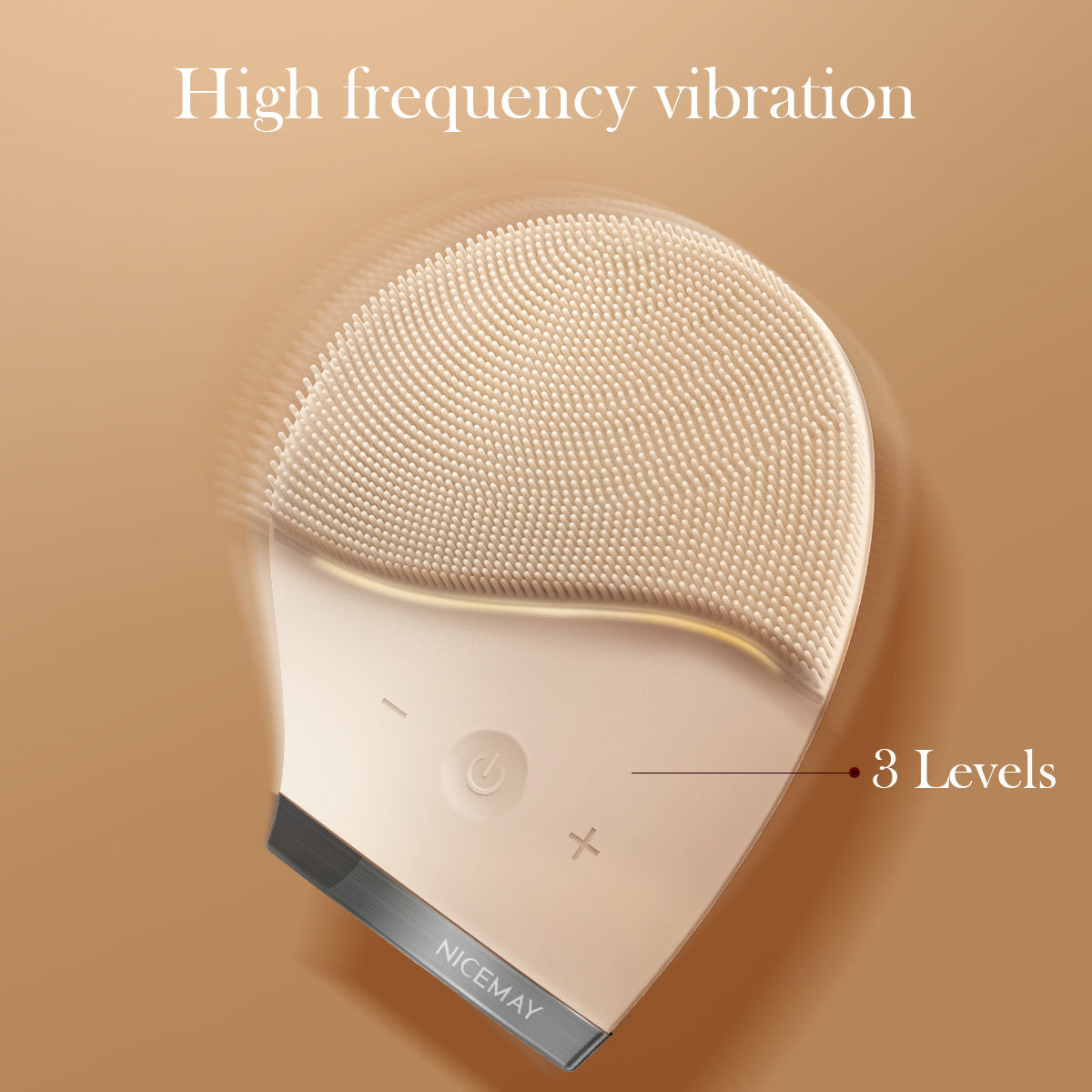
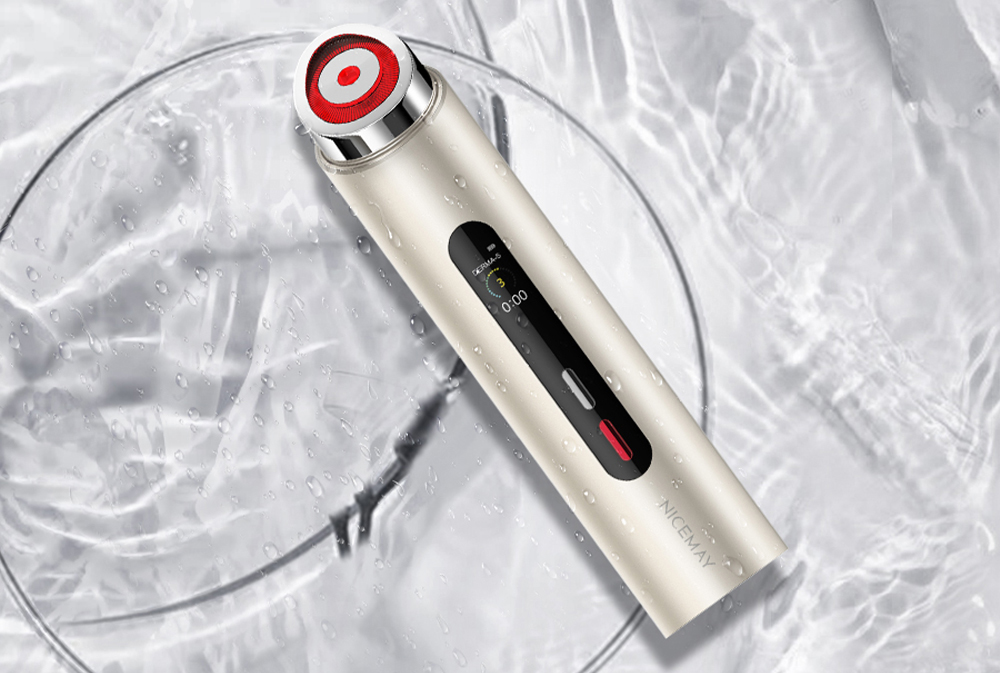
Thermal vibration cleansers operate on a different set of principles. These devices — which take the form of silicone-tipped cleansers, sonic brushes, or cleansing bars — produce low-frequency sonic pulses (typically between 200 and 600 Hz) while simultaneously warming the treatment surface to a controlled temperature, usually between 40°C and 45°C (104°F–113°F).
This gentle heat serves a dual purpose: it temporarily dilates superficial capillaries and relaxes the follicular opening, making it easier for a face wash or balm cleanser to emulsify and lift surface-level oil and impurities. The vibration, meanwhile, moves the cleanser across the skin to ensure even coverage and mild stimulation of cutaneous microcirculation. The combined thermal and mechanical effect is closer to a professional warm-towel facial massage than a deep extraction treatment.

Ultrasonic Facial Cleaner vs Thermal Vibration Cleanser: Feature-by-Feature Comparison
| Feature | Ultrasonic Facial Cleaner | Thermal Vibration Cleanser |
|---|---|---|
| Core Mechanism | High-frequency acoustic cavitation (24–30 kHz) | Low-frequency sonic vibration + controlled heat (40–45°C) |
| Primary Benefit | Deep pore extraction & cellular exfoliation | Surface cleansing, warmth, microcirculation boost |
| Pore Congestion | High efficacy — lifts embedded blackheads | Moderate — loosens surface-level debris |
| Skin Types | Oily, combination, acne-prone, congested | Sensitive, dry, normal, mature |
| Usage Frequency | 2–3x per week (treatment-level) | Daily (routine-level) |
| Product Requirement | Wet skin or conductive gel/toner | Standard face wash or cleansing balm |
| Product Infusion | Yes — ion mode drives serum penetration | Minimal — warmth aids slight absorption |
| Tip Material | Stainless steel (highly sanitary, easy to clean) | Silicone or soft bristles |
| Massage Experience | Subtle, clinical | Warm, relaxing, spa-like |
| Learning Curve | Moderate (angle & pressure matter) | Low (intuitive daily use) |
Ultrasonic Facial Cleaners: Deep-Dive Benefits, Limitations & Best Use Cases
The ultrasonic facial cleaner is arguably the more technically sophisticated of the two categories. Its value proposition is precision: it targets the follicular environment with a level of physical force that no manual method can replicate, without the micro-tearing risk associated with physical scrubs.
Superior Blackhead and Sebum Extraction
Acoustic cavitation disrupts the adhesion between oxidized sebum and the follicle wall, allowing that material to be displaced toward the surface rather than manually squeezed — a method that can damage surrounding tissue. Clinical observations consistently show that ultrasonic spatulas achieve meaningfully deeper decongestion than traditional manual exfoliation methods in oily and congested skin profiles.
Exfoliation Without Abrasion
Because the mechanism is hydraulic rather than frictional, ultrasonic cleansers remove dead keratinocytes without the micro-abrasions associated with granular scrubs. This makes them a significantly safer option for individuals managing post-inflammatory hyperpigmentation or active acne lesions where physical abrasion could worsen inflammation.
Serum Infusion Via Ion Mode
Many ultrasonic devices include a secondary ionic function that uses a low-level galvanic current to temporarily increase the permeability of the outermost skin layer. In the positive-ion (softening) mode, it helps loosen debris; in the negative-ion (infusion) mode, it drives negatively charged active ingredients — such as vitamin C or hyaluronic acid — deeper into the epidermis, improving their efficacy beyond what topical application alone achieves.
If deep cleansing is your primary concern but you’re weighing gentler alternatives, the comparison in Ultrasonic Skin Scrubber vs Anion Brush: Gentler Deep Cleansing? examines how ultrasonic extraction stacks up against the ion brush for those with more reactive skin — a valuable read before committing to a device category.

BJ-1810

BJ-1809

BJ-1957
Thermal Vibration Cleansers: Deep-Dive Benefits, Limitations & Best Use Cases
The thermal vibration cleanser occupies a different niche in the cleansing device ecosystem. Where the ultrasonic spatula is a corrective treatment tool, the thermal device is a daily wellness ritual — one that makes cleansing more thorough and more pleasurable without demanding any technical precision from the user.
Warmth-Induced Follicular Relaxation
The 40–45°C operating temperature of thermal vibration cleansers is carefully calibrated to sit at the upper boundary of therapeutic warmth — warm enough to temporarily relax the follicle opening and emulsify sebum, yet cool enough to pose no thermal injury risk to healthy skin. This pre-cleansing relaxation effect makes it significantly easier for any face wash to do its job, particularly in colder climates or winter months when sebum is more viscous.
Microcirculation and Skin Tone Benefits
The synergy between mild mechanical vibration and gentle heat produces a consistent, low-grade increase in superficial blood flow. Over time, regular users often report a more even, luminous complexion — not because the device exfoliates deeply, but because improved microcirculation supports nutrient delivery to the dermal-epidermal junction and accelerates the removal of metabolic waste from skin tissue.
Barrier-Friendly Daily Use
Because thermal vibration cleansers operate at lower frequencies and do not disrupt the stratum corneum the way ultrasonic cavitation does, they are inherently more compatible with daily use. For individuals with dry, sensitive, or barrier-compromised skin — including those managing eczema, rosacea (in non-flare periods), or perioral dermatitis — thermal cleansers offer an elevated cleansing experience without the risk of barrier disruption.
For those exploring vibration-based cleansing more broadly, understanding where mechanical oscillation fits in the wider device landscape is helpful — the article Microcurrent Cleansing vs Manual Brush: Better Vibration Cleaning? provides a rigorous look at how different vibration and current-based tools compare in daily cleansing contexts, which can inform your overall device strategy.
Can You Use an Ultrasonic Cleaner and Thermal Vibration Cleanser Together?
For many users, the two devices are not mutually exclusive — they are complementary tools that address different stages of a well-rounded skincare protocol. A practical integration strategy looks like this:
Daily Routine (Morning & Evening)
Use the thermal vibration cleanser with your regular face wash. The warmth primes the skin for the day ahead, and the vibration ensures thorough emulsification of overnight sebum or end-of-day environmental residue. This step is gentle enough to be performed every day without risk.
Weekly Treatment (2–3× per Week)
After your routine cleanse, use the ultrasonic facial cleaner on damp skin — or over a layer of toner or exfoliating gel — to perform targeted pore decongestion and light cellular exfoliation. This acts as your corrective treatment layer, addressing congestion and texture that daily cleansing alone cannot resolve.
Post-Treatment Infusion
Follow the ultrasonic session with the device’s ion infusion mode (if available) to drive any hydrating or brightening serums applied afterward into the freshly cleared follicles. This maximizes the return on your active ingredient investment.
FAQ: Common Questions About Hot Pore Cleansing and Cold Tightening
Is it normal for skin to appear red after using an ultrasonic facial cleaner?
Can the heating element in a thermal vibration cleanser accelerate skin aging over time?
Can an ultrasonic facial cleaner be used alongside retinol or retinoid-based skincare?
Which device handles makeup and sunscreen residue more effectively?
Between the two devices, which offers better long-term value for the investment?
Please fill in your email in the form and we’ll get back to assist you soon!