


在荷爾蒙皮膚變化期間可以使用美容設備嗎?

Yes, many beauty devices can be used safely during hormonal skin changes—like menstrual cycles, pregnancy, PCOS, or menopause—with gentle non-thermal LED therapy (blue/red) being the most effective and dermatologist-recommended for controlling breakouts and inflammation, though always consult a professional, especially during pregnancy.
Hormonal shifts can bring sudden cystic acne before your period, oiliness and melasma in pregnancy, or dryness and adult breakouts in menopause—making skin feel unpredictable. In 2026, select at-home devices help manage these flares safely when chosen right. This guide covers phase-specific safe options, proven benefits, risks, and top picks for stable hormonal skin.

Understanding Hormonal Skin Changes and Beauty Devices
Hormonal skin changes arise from fluctuations in estrogen, progesterone, testosterone, or cortisol, altering sebum production, inflammation, and barrier function—common in menstrual cycles, pregnancy, PCOS, perimenopause/menopause, or stress spikes. Beauty devices during hormonal skin changes need low-irritation profiles to prevent worsening acne, redness, dryness, or pigmentation like melasma.
Common Hormonal Phases and Their Skin Effects
- Menstrual cycle & PCOS → Androgen surges boost oil, causing deep cystic acne on jaw/chin in 40-60% of women, per clinical reviews.
- 懷孕 → Progesterone increases sebum for breakouts in 50%; estrogen shifts trigger melasma in up to 70%.
- Menopause & perimenopause → Falling estrogen reduces collagen/hydration, leading to dryness, thinning, and inflammatory acne in 30-50%.
How Beauty Devices Can Safely Support Hormonal Skin ?
Gentle devices target symptoms without disrupting hormones. Blue LED kills acne bacteria via porphyrin activation, while red LED reduces inflammation through cytokine modulation—both non-thermal. Microcurrent aids circulation subtly. Studies show 40-70% reduction in hormonal acne lesions with consistent LED, per JAAD reviews.
Safe Beauty Device Technologies During Hormonal Skin Changes
Prioritize phase-appropriate, low-risk options—avoid heat during high-sensitivity.
LED therapy (blue 415nm kills bacteria; red 630-660nm calms inflammation) is safest for hormonal skin changes, including menstrual/PCOS breakouts or menopausal flares. Facial use is generally safe even in pregnancy (avoid abdomen due to limited data). Dermatologists recommend it for cycle-related or PCOS acne, with trials showing 50-70% lesion reduction in 4-8 weeks and better barrier function. For pregnancy melasma, red light gently fades pigmentation without stimulating melanocytes excessively.
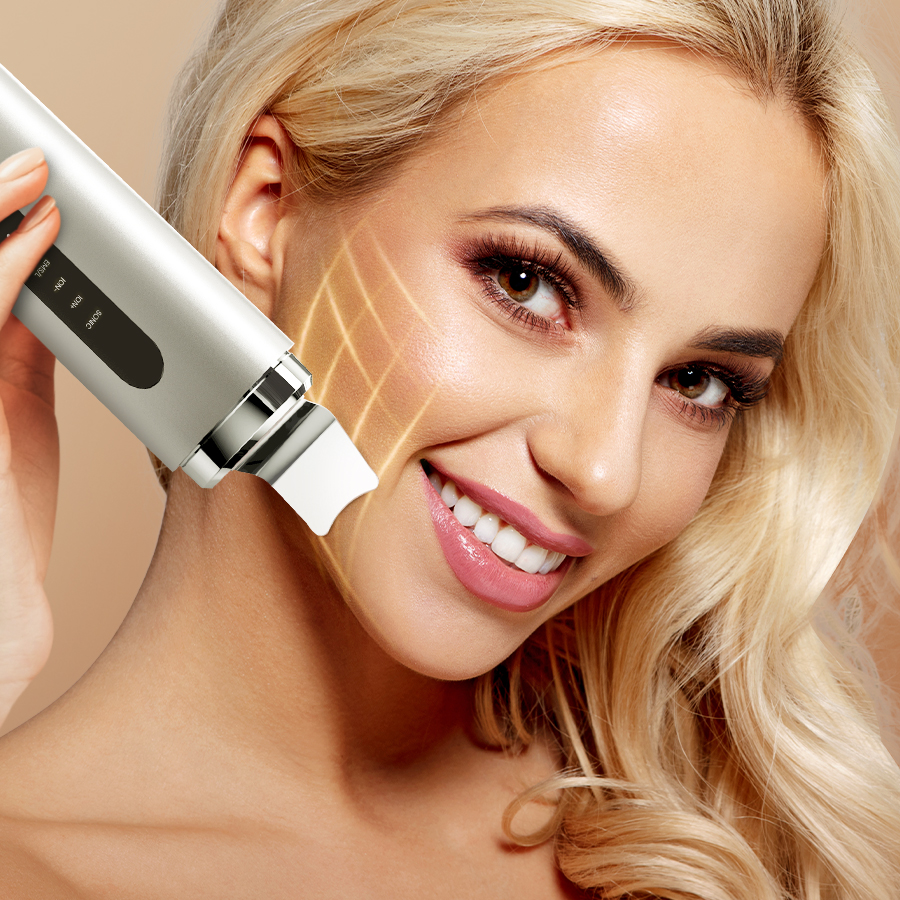
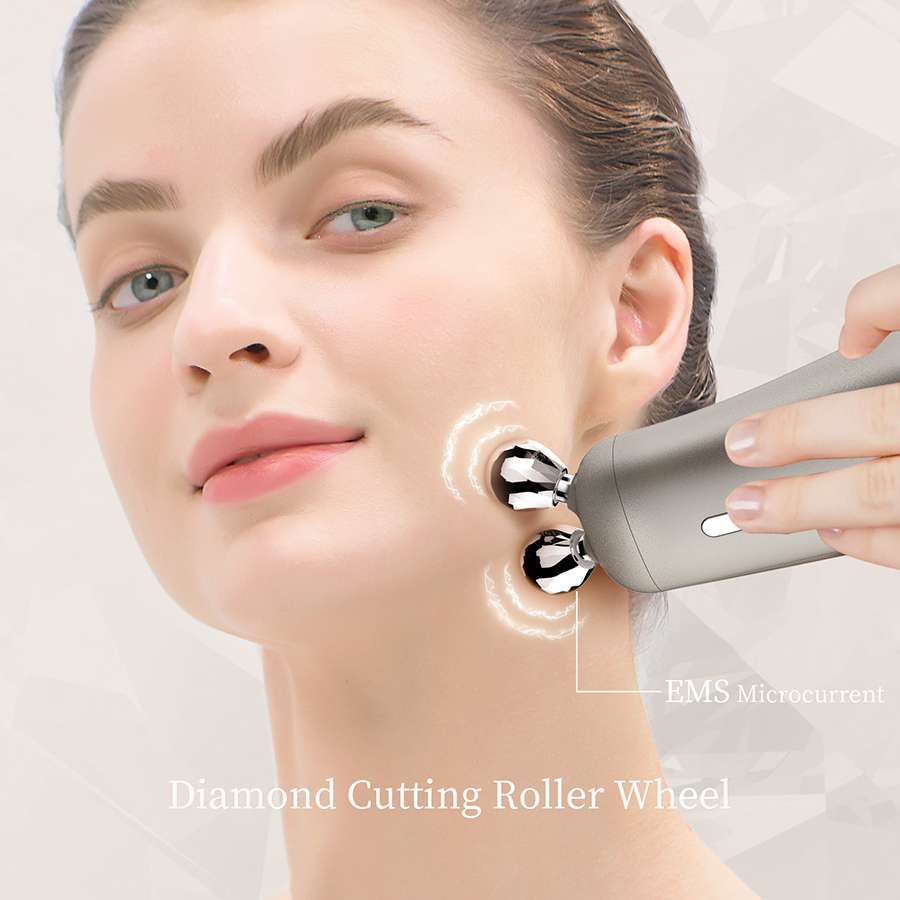
Low-intensity microcurrent (<400 µA) boosts ATP and lymphatic drainage, supporting tone and reducing puffiness from cycle bloating or menopausal fatigue. Non-thermal and safe across phases, including pregnancy. Benefits: subtle lifting for sagging in menopause, visible in 4-6 weeks.
Radiofrequency (RF) and Ultrasound During Hormonal Changes: Use with Caution
RF heats for collagen but can irritate inflamed hormonal acne or dry menopausal skin. Limited pregnancy data advises avoidance due to theoretical thermal risks. Ultrasound similar—low settings tolerable for menopausal tightening, but higher risks irritation.
Technologies to Limit or Avoid During Hormonal Changes
IPL/lasers worsen melasma by activating melanocytes during surges. High-frequency over-dries menopausal skin.
| 科技 | Safety in Menstrual/PCOS | Safety in Pregnancy | Safety in Menopause | 主要好處 | Main Risks |
|---|---|---|---|---|---|
| Blue/Red LED | 非常高 | High (face only) | 非常高 | Acne control, inflammation reduction | 最小 |
| 低微電流 | 高 | 高 | 高 | Tone, de-puffing | Rare tingling |
| RF / Ultrasound | 中等 | 低 | 中等 | Tightening | Irritation, dryness, theoretical pregnancy risk |
| IPL / High-Intensity Laser | 低 | 避免 | 低 | Pigmentation (pro only) | Melasma worsening |
Benefits of Beauty Devices During Hormonal Skin Changes
Safe devices reduce breakout severity: LED cuts cystic acne by 40-70% in hormonal cases, calming jawline flares in cycles/PCOS. Microcurrent eases menopausal sagging. Long-term: better barrier resilience without hormonal disruption.
For aging-related hormonal shifts like menopause, see “ 美容儀適合老化肌膚嗎? “. Teen hormonal acne responds well—explore “ Can Teenagers Use Beauty Devices Safely? “.
Potential Risks of Beauty Devices During Hormonal Skin Changes
During hormonal skin changes, the skin’s heightened reactivity makes it prone to exacerbated issues from certain devices. Heat-based technologies like RF or ultrasound can trigger increased inflammation or dryness, particularly in menopausal phases where estrogen decline already weakens the barrier—leading to prolonged redness or even secondary breakouts. IPL and lasers pose a significant risk of worsening pigmentation disorders like melasma, as hormonal surges activate melanocytes, causing dark patches that may persist long after treatment; studies indicate up to 40% higher incidence in pregnancy or PCOS users.
Overuse or improper settings amplify these risks, such as barrier disruption in dehydrated hormonal states, resulting in stinging, flaking, or infection susceptibility. Pregnancy adds caution due to limited data on fetal impact from penetrating energy—avoid abdominal use entirely. Always monitor for signs like unusual swelling or persistent irritation, and discontinue if symptoms worsen, as hormonal fluctuations can unpredictably intensify reactions.
Best Practices for Beauty Devices During Hormonal Changes
To maximize safety and effectiveness during hormonal skin changes, begin with a professional consultation to tailor choices to your phase—dermatologists or OB-GYNs can assess risks like melasma susceptibility or pregnancy restrictions. Prioritize FDA-cleared, adjustable low-intensity devices, starting with short sessions (5-10 minutes) during stable periods to gauge tolerance, and use conductive gels or serums (hyaluronic acid for dryness) to minimize friction or irritation.
Track your cycle or symptoms via apps to time treatments—e.g., avoid new devices during high-flare luteal phase—and pair with hormone-safe skincare like azelaic acid for acne or ceramides for dryness. Hydrate well pre/post-use, apply SPF daily to prevent pigmentation, and stop immediately if redness lasts over 24 hours. Regular patch-testing (inner arm, 48 hours) and gradual intensity build-up ensure benefits without backlash.
Top Beauty Devices for Hormonal Skin Changes in 2026
- Omnilux Clear — Best for PCOS/Cycle Acne: Blue/red LED control.
- CurrentBody LED 面罩 — Best for Pregnancy/Menopausal Inflammation: Multi-light calming.
- LightStim for Acne — Best Targeted Spot Treatment: Blue/red daily safe.
- FOREO ESPADA — Best Portable for Jawline Breakouts: Blue LED quick.
- Solawave 美容棒 — Best Soothing for Menopausal Dryness: Gentle red.
- NICEMAY LED Therapy Mask — Best Affordable Multi-Mode: Versatile for fluctuating needs.
FAQs About Beauty Devices Be Used During Hormonal Skin Changes
我該如何根據我的月經週期階段調整美容儀器的使用?
Track your cycle with an app and use blue/red LED more frequently (4-5 times/week) during the luteal phase when breakouts are likely, while dropping to 2-3 sessions in the follicular phase to avoid overstimulation. This phased approach helps manage oil and inflammation without overwhelming fluctuating skin.
將美容設備與荷爾蒙避孕藥或生育治療結合使用是否安全?
Generally yes for non-thermal devices like LED, as they don’t interfere with medications, but consult your doctor—some fertility protocols increase skin sensitivity, requiring lower intensity or temporary pauses to prevent unexpected reactions.
美容設備能幫助緩解與壓力相關的荷爾蒙痤瘡爆發嗎?
Yes—red LED reduces cortisol-driven inflammation effectively, while microcurrent eases tension-held facial tightness that worsens perceived acne. Many find shorter daily sessions during high-stress periods calm flares faster than skincare alone.
如果美容儀器在荷爾蒙變化期間突然導致更多的痘痘,我該怎麼辦?
Pause use immediately and switch to basic gentle cleansing—hormonal spikes can make skin temporarily hypersensitive, turning even safe devices irritating. Resume at half frequency after 1-2 weeks once the flare subsides.
是否有專門針對多囊卵巢症候群相關皮膚問題的美容設備?
Look for combo blue/red LED masks with higher blue intensity, as PCOS often involves persistent bacterial acne—devices with customizable ratios allow targeting excess sebum and inflammation without drying out compensatory dry patches.
Conclusion: Managing Hormonal Skin Changes with Beauty Devices
Beauty devices support hormonal skin changes effectively with gentle LED and microcurrent—controlling acne and inflammation safely across cycles, pregnancy, PCOS, and menopause. Prioritize professional guidance and low-risk tech for confident, stable skin.
請在表單中填寫您的電子郵件,我們將儘快回覆您!