


Can Teenagers Use Beauty Devices Safely? | 2026 Authoritative Guide

Yes, teenagers can safely use certain beauty devices—particularly FDA-cleared blue and red LED light therapy tools—to help manage acne and improve skin clarity, as long as they choose gentle, non-heating options and follow guidelines under parental or dermatologist supervision.
Teen skin often battles hormonal acne, oiliness, and sensitivity during puberty, but in 2026, at-home beauty devices offer drug-free support when selected wisely. This article explores safe choices for teenagers, proven benefits for acne-prone skin, potential risks, and top recommendations to promote healthy habits without harm.

Understanding Teenage Skin and Beauty Devices
Teenage skin is in a dynamic state of transformation, primarily driven by hormonal fluctuations during puberty, which typically begin around ages 12-14 for girls and 14-16 for boys. Hormones like testosterone and estrogen surge, stimulating sebaceous glands to produce excess sebum, which combines with dead skin cells and bacteria to clog pores, resulting in various acne forms such as comedones (blackheads and whiteheads), papules, pustules, and even cysts in severe cases.
This can lead to uneven texture, shine in the T-zone, and inflammation that affects self-esteem, with up to 85% of teens experiencing acne at some point. Environmental factors like diet, stress from school, and poor sleep exacerbate these issues, weakening the skin barrier and making it more susceptible to irritation. Beauty devices, when safe and appropriate, provide a targeted, non-pharmacological approach to acne management, helping teens build positive skincare routines early.
For parents and teens, understanding these changes is key: devices aren’t a cure-all but can reduce reliance on harsh topicals, fostering independence while preventing long-term scarring or pigmentation problems common in untreated adolescent acne.
Why Safety Matters for Teenagers Using Beauty Devices?
Safety is paramount for teens because their skin is still developing—thinner barriers and faster cell turnover mean quicker healing but also higher vulnerability to damage. Improper devices can disrupt this process, leading to irreversible issues like post-inflammatory hyperpigmentation (dark spots), scarring from over-stimulation, or allergic reactions that sensitize skin long-term. For instance, heating tools might cause burns or worsen inflammation, while aggressive exfoliation could strip natural oils, triggering rebound oiliness and more breakouts.
Dermatologists warn that without supervision, teens influenced by social media might overuse devices, risking chronic irritation or even infections if hygiene is neglected. Emphasizing FDA-cleared options ensures efficacy and minimizes harm, helping teens avoid the psychological toll of worsened skin, such as lowered confidence during formative years. Parents should view this as an opportunity to teach balanced habits, starting with professional advice to tailor devices to individual acne severity and skin type.
How Safe Beauty Devices Support Teenage Skin?
Safe beauty devices support teenage skin by addressing acne at its root without invasive methods or systemic side effects like those from oral medications. Blue LED light (around 415nm) penetrates pores to destroy acne-causing bacteria, reducing lesion counts, while red LED (630nm) promotes cellular repair, diminishes redness, and enhances collagen to prevent scarring—ideal for teens dealing with inflammatory breakouts. These non-thermal tools integrate seamlessly into daily routines, boosting the effectiveness of over-the-counter topicals like benzoyl peroxide by improving absorption through gentle stimulation.
For teens, this means clearer skin with minimal downtime, helping maintain school and social activities. Long-term, consistent use can educate on patience and consistency, as results build over 4-8 weeks, countering the instant-gratification culture of social media trends. Parents appreciate the drug-free aspect, reducing risks like antibiotic resistance, while teens gain empowerment through self-care that aligns with their tech-savvy lifestyles.

Types of Beauty Devices Safe for Teenagers
For teenagers, the focus should be on low-risk, acne-specific devices that are easy to use and backed by clinical evidence. Avoid complex anti-aging tools, as teen skin doesn’t need aggressive rejuvenation. Below, we break down safe types with detailed mechanisms, teen-specific benefits, and usage tips.
LED Light Therapy Devices for Teenage Acne
LED light therapy devices emit specific wavelengths to target acne without heat, making them highly suitable for sensitive teen skin. Blue light destroys 痤瘡桿菌 細菌 by producing oxygen radicals that kill microbes in pores, while red light reduces inflammation by modulating cytokines and speeding wound healing. Clinical studies show reductions in acne lesions by 50-77% after 4-8 weeks of use in adolescents, with no significant side effects. For teens, masks or wands are practical for treating the whole face or spots, fitting into evening routines post-homework. Start with 10-minute sessions to build tolerance, and combine with gentle cleansers to maximize results without overwhelming young skin.
Microcurrent Devices and Teenage Skin Considerations
Microcurrent devices use tiny electrical pulses (under 500 microamps) to stimulate facial muscles and cells, improving blood flow and lymphatic drainage, which can indirectly help acne by reducing puffiness and enhancing nutrient delivery. While not primarily for acne, they support overall clarity in teens with mild congestion, but evidence in adolescents is limited—benefits include firmer texture without oil stimulation. Teens should use at lowest intensities to avoid tingling or redness, limiting to 5 minutes bi-weekly, as over-stimulation could irritate developing barriers. Ideal for older teens (16+) under supervision, paired with hydrating gels to prevent dryness.
Devices Teenagers Should Avoid
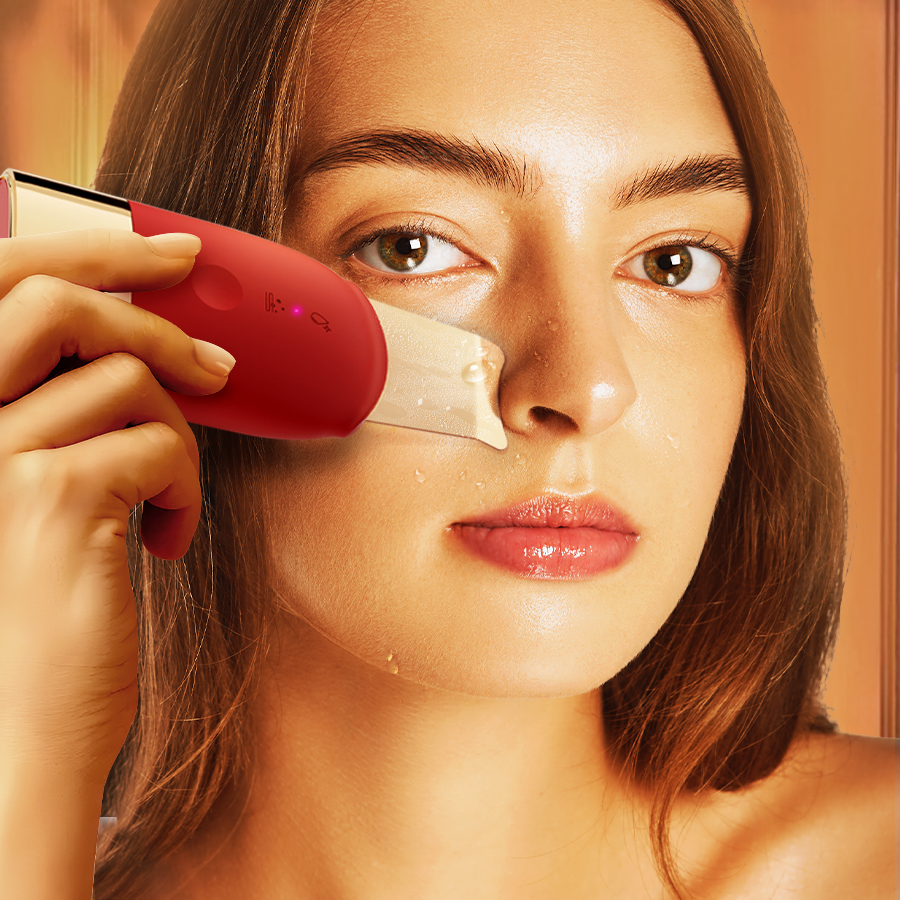
Teens must steer clear of devices that could harm maturing skin, such as radiofrequency (RF) tools, which heat the dermis to tighten but risk burns, scarring, or exacerbated acne in oily teen complexions. Ultrasonic cleaners vibrate to exfoliate but may strip oils, leading to rebound breakouts or irritation; high-frequency wands, meant for killing bacteria, can cause dryness or allergies if misused. FDA recalls highlight issues like chemical contamination in some acne gadgets, so avoid unregulated imports—stick to proven LED for safety. Parents: Educate on reading labels and avoiding TikTok-hyped items that promise quick fixes but deliver harm.
| 設備類型 | Safety for Teens | Key Benefits for Acne | Potential Risks if Misused | 建議頻率 |
|---|---|---|---|---|
| LED光療 | High (Non-thermal, FDA-cleared) | Reduces bacteria/inflammation; 50-77% lesion drop | Mild dryness; eye strain without protection | 每週3-5次,10-20分鐘 |
| 微電流 | Moderate (Low intensity only) | Improves circulation; aids healing | Tingling/redness; barrier disruption | 2x/week, 5 min |
| 射頻(RF) | Low (Avoid) | 無建議 | Burns/scarring; worsened acne | Not for teens |
| 超聲波/高頻 | Low (Avoid) | 無建議 | Irritation/dryness; allergies | Not for teens |
For detailed device recommendations tailored to acne-prone teen skin, check “ 哪種美容儀器最適合易長粉刺的肌膚? “.
Benefits of Safe Beauty Devices for Teenagers
Safe beauty devices provide teens with effective, empowering acne management, leading to clearer skin and boosted self-confidence during socially intense years. LED therapy, for example, achieves partial remission in 92% of users by targeting root causes without antibiotics, reducing resistance risks. Benefits include minimized scarring through anti-inflammatory action, improved texture for even makeup application, and enhanced absorption of teen-friendly topicals like salicylic acid. Over time, this fosters healthy habits, teaching consistency and patience—teens report higher satisfaction and fewer emotional impacts from acne. For parents, it’s a cost-effective alternative to frequent dermatologist visits, promoting family discussions on skincare realism versus social media myths.
Learn more about targeted acne reduction in “ 美容儀器能幫助減少粉刺爆發嗎? “.
Potential Risks of Beauty Devices for Teenagers
While safe options exist, risks arise from misuse or unsuitable devices, potentially damaging teen skin’s delicate balance. Overuse of LED can cause temporary dryness or sun sensitivity, increasing burn risks without SPF. Heating devices like RF may lead to permanent pigmentation or scars, especially in diverse skin tones, while aggressive tools exacerbate irritation, allergies, or barrier compromise, resulting in lifelong sensitivities.
Social media-driven experimentation heightens dangers, like combining with harsh actives, causing rashes or infections. Teens with conditions like eczema face amplified issues—always prioritize supervision to mitigate these and encourage professional intervention for persistent problems.
Best Practices for Teenagers Using Beauty Devices Safely
To maximize benefits and minimize risks, teens and parents should follow evidence-based guidelines tailored to adolescent skin. First, consult a dermatologist to assess acne type and rule out contraindications, ensuring devices complement any prescribed treatments. Choose FDA-cleared, acne-specific models with adjustable settings, starting at lowest intensities for tolerance building.
Prep skin by cleansing gently, then apply sessions on dry areas—LED: 10-20 minutes, 3-5 times weekly; wait 48 hours after actives like retinols. Always wear eye protection for lights, and follow with moisturizer and broad-spectrum SPF 30+ daily, as devices can heighten photosensitivity. Maintain device hygiene by cleaning after each use to prevent bacterial spread. Track progress with photos and a journal, adjusting based on skin response—stop if irritation occurs and seek advice. Parental involvement is crucial for younger teens, turning this into a learning experience about balanced self-care.
Top Beauty Devices for Teenagers in 2026
- Omnilux Clear: A flexible LED mask combining blue/red lights, clinically proven to reduce teen acne by targeting bacteria and inflammation, with a hands-free design perfect for multitasking.
- CurrentBody Skin LED面膜: Offers customizable red/blue therapy to calm breakouts and heal skin, gentle enough for daily teen use with app tracking for consistency.
- LightStim for Acne: FDA-cleared handheld wand using blue/red LEDs for spot treatments, helping destroy bacteria and soothe redness in just minutes.
- Solawave Wand (Acne Mode): Portable multi-light device with blue focus for quick pimple control, ideal for on-the-go teens without overwhelming the routine.
- FOREO ESPADA: Blue LED tool with sonic pulsations for precise blemish targeting, safe and effective for preventing teen breakouts with minimal effort.
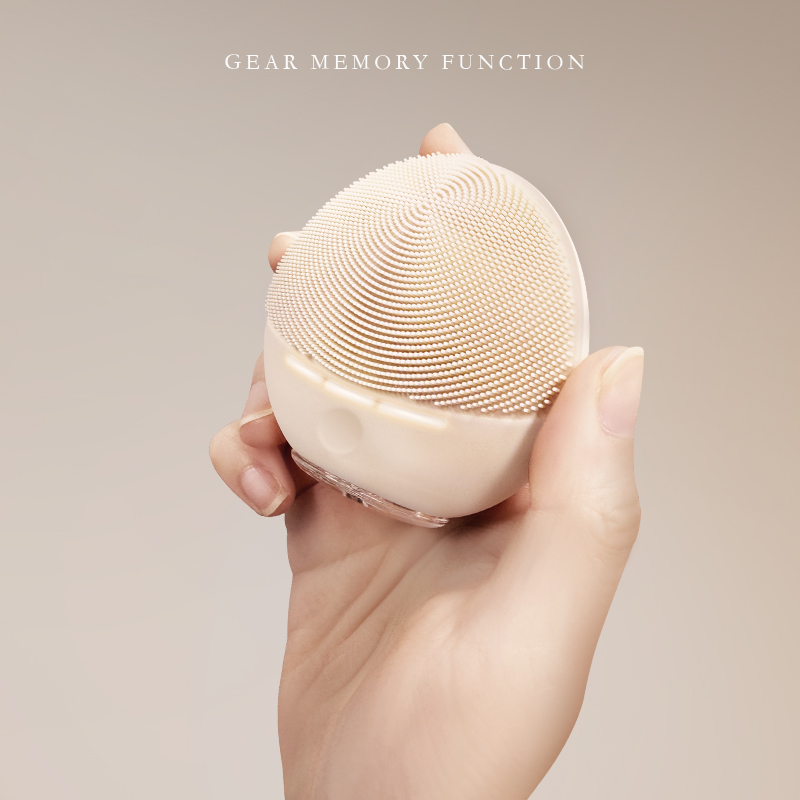
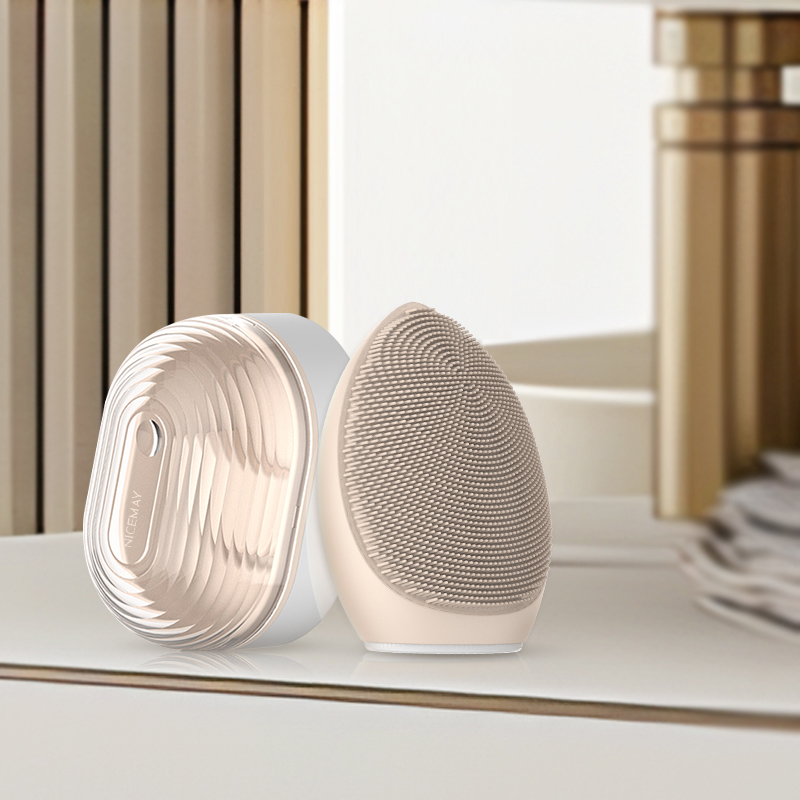
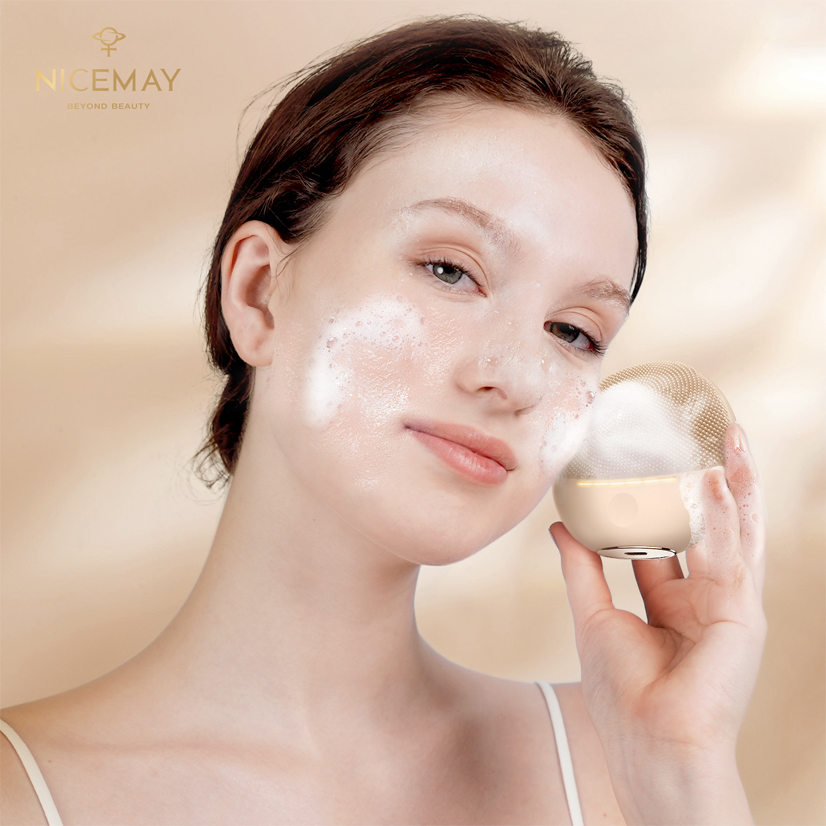
- NICEMAY LED面罩: The LED light can change colors, catering to various sensitive skin types of teenagers. After professional review and certification by the FDA, the product quality is trustworthy


FAQs About Teenagers Use Beauty Devices
What is the minimum age for teenagers to start using beauty devices like LED therapy?
Most dermatologists recommend starting at age 12-14 for mild acne, but only under supervision, as younger skin is more sensitive—consult a professional to ensure it aligns with puberty stage and avoids anti-aging features irrelevant to teens.
How often should teens use LED beauty devices for acne without risking irritation?
Teens should use LED devices 3-5 times weekly for 10-20 minutes per session, starting slowly to monitor skin response; daily use might cause dryness, so incorporate rest days and always follow with hydration and SPF.
Can teenagers combine beauty devices with prescription acne medications safely?
Yes, but with caution—LED can enhance topical absorption, but wait 48 hours after strong actives like retinoids; consult a dermatologist to avoid interactions, especially with oral antibiotics, for personalized integration.
Why is parental supervision important for teens using beauty devices?
Supervision ensures proper usage, hygiene, and early detection of issues like irritation, preventing misuse from social media influences; it also educates on realistic expectations, turning skincare into a positive family habit.
What long-term effects can safe beauty devices have on teenage skin?
Consistent use can lead to reduced scarring, better texture, and fewer future breakouts by addressing acne early; it promotes healthy routines, potentially lowering adult acne risk, but results vary—combine with lifestyle factors like diet for sustained benefits.
Teenagers can safely incorporate gentle beauty devices like LED therapy to manage acne effectively, building healthy skin habits with guidance. Prioritize proven, non-invasive tools and professional input for confident, clear results without risks.
請在表單中填寫您的電子郵件,我們將儘快回覆您!