


Gua Sha vs Electric Facial Brush: Which One Actually Transforms Your Skin?

When it comes to facial tools, gua sha and electric facial brushes both promise smoother, more radiant skin—but they work through entirely different mechanisms and serve distinct skin goals. Gua sha delivers deep myofascial release and sculpting through deliberate manual strokes, while electric facial brushes provide automated, consistent cleansing and surface-level stimulation. Choosing between them isn’t about which is “better”—it’s about which aligns with what your skin actually needs.

Gua Sha vs Electric Facial Brush: Understanding How Each Tool Works
Before comparing results, it’s essential to understand the underlying science behind each tool. Their mechanisms are fundamentally different, which is why they produce different outcomes.
What Is Gua Sha and How Does It Work on the Face?
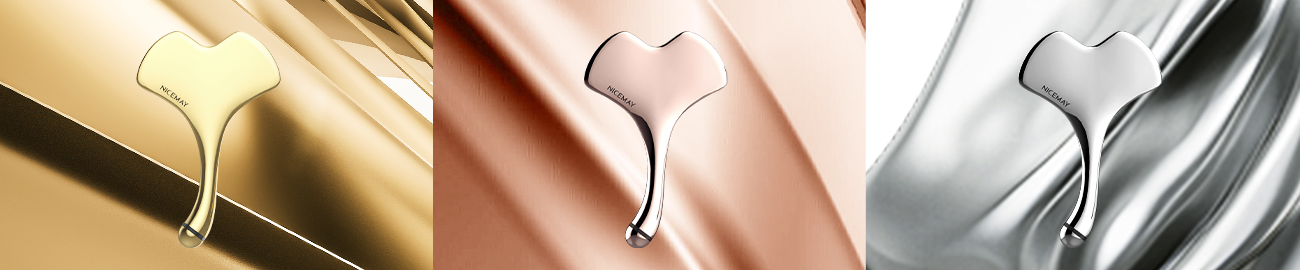
Gua sha is a traditional East Asian therapy that has been adapted for facial use. The tool—typically carved from jade, rose quartz, or bian stone—is pressed firmly against oiled skin and stroked in deliberate, angled movements along facial contours and lymphatic pathways.
At the physiological level, gua sha works by:
- Applying targeted pressure to the superficial fascia and underlying musculature, releasing adhesions and chronic tension—particularly in high-tension zones like the masseter, jaw, and brow
- Stimulating lymphatic flow through directional strokes toward lymph nodes, helping the body clear metabolic waste and reduce fluid retention
- Triggering microvasodilation in the skin’s dermal layer, increasing local blood circulation and oxygen delivery to skin cells
- Activating the parasympathetic nervous system, which reduces cortisol-driven facial holding patterns
This is why consistent gua sha practice is associated with visible structural changes: a sharper jawline, reduced jowling, lifted cheekbones, and a reduction in deep-set facial puffiness—particularly the kind driven by muscular tension rather than overnight fluid accumulation.
The Role of Facial Fascia in Gua Sha Effectiveness
The fascia is a connective tissue web that envelops every muscle in your face. Over time, tension, dehydration, and repetitive muscle contractions cause fascial restrictions—tight spots that contribute to sagging, asymmetry, and a loss of definition. Gua sha is one of the few at-home tools capable of addressing fascial restriction directly, which explains why its results often feel transformative in ways that topical skincare cannot replicate.
What Is an Electric Facial Brush and How Does It Work?
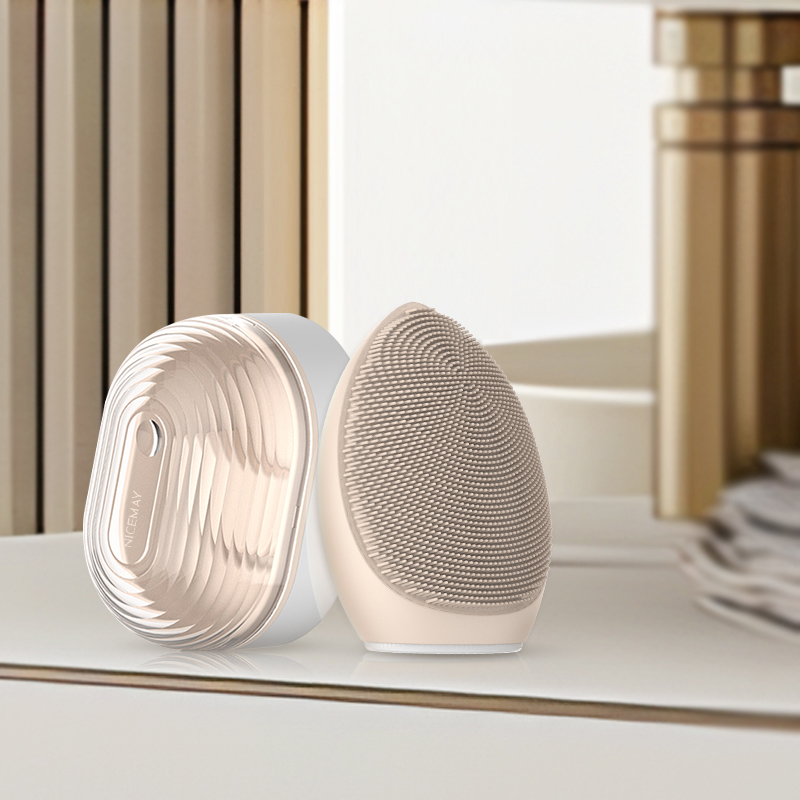
Electric facial brushes—including silicone cleansing devices, sonic brushes, and vibrating massage tools—rely on motorized oscillation or sonic vibration to automate movement across the skin’s surface. The technology varies by device:
- Sonic brushes (e.g., Foreo-style silicone devices) use high-frequency vibrations (up to 8,000 pulsations per minute) to dislodge debris from pores and stimulate circulation without abrasion
- Rotating bristle brushes use gentle mechanical rotation to exfoliate and cleanse, though these are increasingly replaced by gentler silicone alternatives
- Vibrating massage heads focus on lymphatic stimulation through rapid surface-level pulsation, often marketed for morning depuffing routines
Electric facial brushes excel at thoroughness and consistency. They remove makeup residue, excess sebum, and dead skin cells more effectively than manual cleansing alone, and their vibration-based stimulation can temporarily improve circulation and reduce mild surface puffiness.
Sonic Vibration Technology and Skin Stimulation
At the cellular level, sonic vibration creates a gentle mechanical signal that can stimulate fibroblast activity and temporarily increase microcirculation. However, this stimulation is shallow—it primarily affects the epidermis and superficial dermis rather than the musculature or fascia. This makes electric brushes excellent for surface radiance and cleansing thoroughness, but less effective for structural sculpting or deep tension release.

Gua Sha vs Electric Facial Brush – Direct Comparison by Skin Concern
Facial Sculpting and Contouring: Winner Is Gua Sha
Gua sha has a measurable advantage for anyone pursuing defined facial contours—a sharper jawline, lifted cheekbones, or reduced jowling. The combination of fascial release and directional lymphatic drainage creates structural change over time that electric brushes cannot replicate.
Electric facial brushes do not exert the kind of directional, pressure-based force needed to reposition fascia or release muscle tension. Their vibration can temporarily improve circulation and skin tone, but this does not translate to the geometric facial changes that consistent gua sha practice can deliver.
For deeper insight into how manual tools compare for lymphatic drainage and sculpting outcomes, the article [刮痧與美容滾輪:哪個更有效促進淋巴引流??] explores the mechanics in detail, including why stroke direction matters more than tool pressure.
Cleansing and Pore Clarity: Winner Is Electric Facial Brush
This is where electric facial brushes have a clear, evidence-backed advantage. Clinical studies on sonic cleansing devices have demonstrated significantly improved removal of sebum, pollution particles, and makeup residue compared to manual cleansing. For people with congestion-prone or acne-prone skin, this deeper cleanse can meaningfully reduce breakout frequency.
Gua sha is not a cleansing tool and should never be used on skin that hasn’t been thoroughly cleansed. Used on uncleansed skin, the dragging motion can push bacteria and debris into pores, potentially triggering breakouts.
Lymphatic Drainage and Morning Depuffing: Winner Is Situation-Dependent
Both tools support lymphatic drainage, but through different mechanisms and with different depths of effect.
Electric facial brushes provide quick, surface-level lymphatic stimulation ideal for morning puffiness—the kind caused by overnight fluid pooling in gravity-affected areas (under-eyes, lower face). A 60-second vibrating massage can visibly reduce this type of puffiness.
Gua sha addresses deeper, more chronic lymphatic sluggishness. The directional strokes—performed correctly along the lymphatic pathways toward the clavicular nodes—create a pumping action that moves interstitial fluid more effectively than surface vibration alone. Results accumulate over days and weeks rather than minutes.
If you’re managing chronic facial puffiness, hormonal water retention, or swelling driven by inflammatory conditions, gua sha’s deeper lymphatic work is likely to deliver more lasting relief. For quick-fix morning depuffing before a meeting or event, an electric vibrating device wins on convenience and speed.

Skin Texture and Surface Radiance: Winner Is Electric Facial Brush
Electric facial brushes—particularly those with exfoliating brush heads—improve surface texture by accelerating desquamation (the natural shedding of dead skin cells). This leaves skin visibly smoother and more reflective, and it enhances the penetration of serums and moisturizers applied afterward.
Gua sha contributes to surface radiance indirectly through improved circulation—the “gua sha glow” is a real phenomenon caused by increased blood flow to the dermis. However, it does not mechanically remove dead skin cells in the way that a sonic or bristle brush does.
Facial Tension Relief and Jaw Clenching: Winner Is Gua Sha—by a significant margin
If you clench your jaw, grind your teeth, or carry chronic tension in your masseter, temporalis, or brow muscles, gua sha is in a category of its own among at-home facial tools. Targeted strokes over the masseter and along the jawline release muscle adhesions that contribute to facial asymmetry, headaches, and a squared, tense jaw appearance.
No electric facial brush offers this depth of muscular intervention. Their surface-level vibration simply does not penetrate deep enough to address embedded muscular tension.
Technique and Learning Curve: Which Tool Is Easier to Use Correctly?
Gua Sha Technique Requirements
Gua sha has a genuine learning curve. Incorrect technique—wrong angle, insufficient oil, too much pressure, or strokes in the wrong direction—can cause bruising, capillary damage, or worsen puffiness by pushing fluid in the wrong direction. Getting results requires learning:
- The correct tool angle (typically 15–45 degrees depending on the facial zone)
- Appropriate pressure calibration for different areas (lighter around the eye, firmer along the jawline)
- Correct stroke direction aligned with lymphatic pathways
- The right amount and type of facial oil to minimize friction
This investment in technique is worthwhile—but it is an investment. Most people see their best results after 2–4 weeks of consistent, properly executed practice.
Common Gua Sha Mistakes That Reduce Results
The most common errors are using too little oil (causing skin drag), applying strokes downward rather than upward and outward, using excessive pressure around delicate capillary-dense areas (nose, under-eye), and over-using the tool on sensitized or compromised skin. Frequency matters too: 2–3 sessions per week is optimal for most skin types, as daily gua sha can over-stimulate the skin barrier.
Electric Facial Brush Ease of Use
Electric facial brushes are largely “set and forget” tools. Most devices have preset intensity levels, built-in timers, and require minimal technique beyond moving the device across wet, cleanser-coated skin. This makes them substantially more accessible for beginners and for anyone who wants a consistent result without skill development.
The tradeoff is limited adaptability—you cannot customize the stroke direction, pressure gradient, or target specific muscular zones the way you can with gua sha.

MR-2338

MR-2360

MR-2389
Skin Type Compatibility: Who Should Use Which Tool?
Best Skin Types for Gua Sha
Gua sha is well-suited for:
- Normal to dry skin — the tool glides best on skin with adequate oil and without excess surface texture disruption
- 混合性肌膚 — targeted use on tense zones (jaw, brow) without disturbing oilier T-zone areas
- Mature or aging skin — fascial release and improved circulation address structural changes that topical products alone cannot
- Tension-prone skin — anyone with masseter tension, TMJ issues, or stress-driven facial holding patterns
Gua sha requires more caution with active acne, rosacea flares, broken capillaries, or sunburned skin. It should not be used directly over active breakouts.
Best Skin Types for Electric Facial Brushes
Electric facial brushes are generally suitable for:
- Oily and congestion-prone skin — deeper cleansing reduces the sebum accumulation that feeds comedones
- Normal skin seeking maintenance — daily use supports consistent cleansing and surface renewal
- Beginners to facial tools — low barrier to correct use and low risk of technique-driven damage
Those with sensitive skin, rosacea, or a compromised skin barrier should opt for gentle silicone vibrating devices (rather than bristle brushes) and limit use to 3–4 times per week.
Longevity and Investment: Gua Sha vs Electric Facial Brush
A quality gua sha tool—genuine jade, rose quartz, or bian stone—typically costs $20–$80 and, with proper care, lasts indefinitely. There are no replacement parts, no charging cables, and no batteries. The investment is essentially a one-time purchase.
Electric facial brushes range from $30 for entry-level silicone devices to $200+ for premium sonic systems. They require charging, occasional brush head replacements (every 3 months for bristle types), and carry the risk of motor failure over time.
For a comprehensive breakdown of durability, maintenance, and long-term value across manual and electronic beauty devices, the guide [Metal Beauty Tools vs Electric Devices: Traditional or Tech – Which Lasts?] offers a detailed comparison grounded in material science and real-world use patterns.
Can You Use Gua Sha and an Electric Facial Brush Together?
Yes—and for many people, combining both tools in a complementary routine delivers better results than either tool alone.
Morning (Electric Facial Brush): Use your electric brush for a thorough 60-second cleanse, clearing overnight sebum and prepping skin for morning skincare. If your device has a vibrating massage mode, use it for 30 seconds to reduce overnight puffiness before applying eye cream and moisturizer.
Evening (Gua Sha, 2–3x per week): After double cleansing and applying a generous layer of facial oil or serum, perform your gua sha routine. Focus on tension-holding zones—masseter, jaw, brow—and finish with lymphatic drainage strokes toward the clavicle. Follow with your remaining evening skincare.
This rhythm leverages each tool’s strengths: the electric brush handles daily cleansing consistency and surface stimulation; gua sha handles the deeper structural work that accumulates visible results over weeks of practice.
Final Verdict – Gua Sha vs Electric Facial Brush
| 目標 | Better Tool |
|---|---|
| Facial sculpting and contouring | 刮痧 |
| Deep cleansing and pore clarity | Electric Facial Brush |
| Releasing jaw and facial tension | 刮痧 |
| Quick morning depuffing | Electric Facial Brush |
| Chronic lymphatic sluggishness | 刮痧 |
| Surface radiance and texture | Electric Facial Brush |
| Ease of use for beginners | Electric Facial Brush |
| Long-term sustainability | 刮痧 |
| One-time investment value | 刮痧 |
Choose gua sha if your primary goals are sculpting, tension relief, deep lymphatic work, or addressing structural changes in your face over time. It requires a learning investment but delivers results that go beyond what surface-level tools can achieve.
Choose an electric facial brush if your priority is cleansing thoroughness, convenient daily maintenance, or quick surface stimulation with minimal technique required.
Use both if you want a complete facial wellness routine—clean skin and deep structural care working in tandem, each performing the role it was designed for.
常見問題:熱毛孔清潔與冷緊膚的常見疑問
Can I use gua sha over active breakouts or inflamed acne?
How long does it take to see visible results from gua sha compared to an electric facial brush?
Is it safe to use an electric facial brush every single day?
Does the material of a gua sha tool (jade vs. rose quartz vs. bian stone) affect the results?
Can men benefit from using gua sha or electric facial brushes, or are these tools primarily designed for women?

請在表單中填寫您的電子郵件,我們將儘快回覆您!