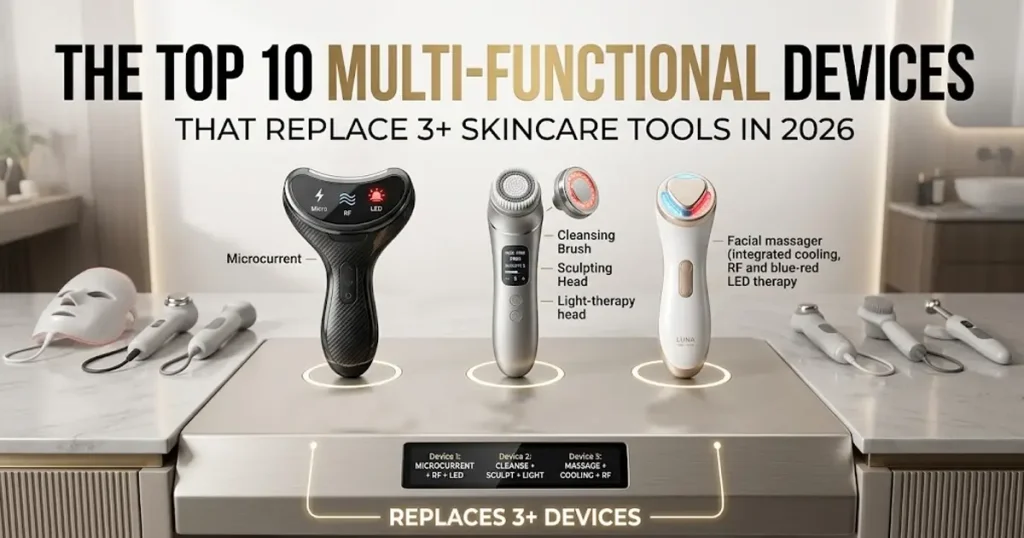
The Top 10 Multi-Functional Devices That Replace 3+ Skincare Tools in 2026
New to at-home devices? Start with our 10 Best Multi-Functional At-Home Beauty Devices of 2026 for a broader overview before diving into the detailed rankings below.
Why Multi-Functional Devices Are Outperforming Single-Tech Tools in 2026
Single-function tools like a standalone LED mask or a basic microcurrent wand deliver results — but only within the narrow biological window each technology addresses. LED light at 630–660nm, for example, primarily stimulates fibroblast activity in the papillary dermis. A microcurrent at 200–400 microamperes (µA) independently targets the neuromuscular junctions that define facial contour. Neither alone addresses the full cascade of aging: laxity, oxidative stress, reduced product penetration, and impaired lymphatic drainage.
Multi-functional devices change this by stacking complementary technologies that target different biological pathways sequentially or simultaneously. A device combining RF (collagen remodeling at 42–45°C tissue temperature) with LED (cellular energy production via ATP synthesis) and EMS (muscle re-education) addresses all three aging vectors in a single 15-minute session. According to a 2024 review in the Journal of Cosmetic Dermatology, combination treatments using RF plus LED produced 37% greater improvement in skin laxity scores after 12 weeks compared to RF alone — a finding increasingly reflected in the architecture of the best consumer devices.
The “Technology Stacking” Principle — and Its Limits
Not all combinations are synergistic. A common mistake I see in the market — and among buyers making $300+ purchase decisions — is assuming that more technologies always equals better results. The critical differentiator is protocol engineering: the sequencing, intensities, and tissue targets must be designed to complement rather than compete. For instance, applying galvanic current immediately after thermal RF in the same session can over-stimulate the skin barrier, causing temporary redness that lasts 12–24 hours. The best devices on this list use intelligent alternating protocols that prevent this — it’s one of the core criteria we evaluated.
Cost of Ownership: The Real Math
A NuFACE Trinity microcurrent device (~$525) plus a CurrentBody LED mask (~$380) plus an RF wand (~$250) equals ~$1,155 in devices alone — before replacement heads, conductive gels, and electricity. A premium multi-functional device at $300–$600 that genuinely replaces all three not only saves money upfront, it consolidates routine time by 60–70%. Over a 3-year lifespan (the average professional replacement cycle), the savings on replacement attachments alone can exceed $200.
The 5 Technical Criteria That Separate Elite Devices from Expensive Gimmicks
Before we get to the rankings, understanding these five technical differentiators will let you read any device specification — including ones that come to market after this article is published — with confidence.
1. Current Waveform: Biphasic vs. Monophasic Microcurrent
This is the single most important specification most buyers never check. Monophasic microcurrent devices apply current in one direction only — over time, this can cause ion imbalance in the tissue, leading to facial muscle fatigue rather than toning. The visible consequence: subtle sagging after 2–3 months of daily use, not the lifting effect advertised. All reputable clinical devices — and all of the devices ranked in this article — use biphasic current: alternating positive and negative phases that mimic the body’s natural bioelectrical signaling. Look for this explicitly in the specification sheet.
2. LED Wavelength Precision: The 30nm Difference That Changes Everything
Red light at 630nm stimulates superficial fibroblast activity — ideal for surface brightening. Red light at 660nm penetrates ~1–2mm deeper into the dermis, reaching the reticular dermis where mature collagen fibers reside — the correct target for anti-aging. Near-infrared at 830nm penetrates 3–5mm, addressing deeper fascial layers and improving mitochondrial function. Many budget LED devices market “red light therapy” without specifying wavelength, meaning the LEDs may be operating at 590nm (orange) or 680nm (far red) — both well outside the clinically validated 630–660nm range. The devices on this list specify exact wavelengths.
3. RF Frequency and Tissue Depth
Consumer RF devices typically operate at frequencies between 1 MHz and 3 MHz. Lower frequencies (1 MHz) penetrate deeper, reaching the reticular dermis and superficial subcutaneous fat — appropriate for body contouring. Higher frequencies (3 MHz) are more superficial, ideal for facial skin tightening without heat accumulation near bony prominences. Devices without frequency specification, or those claiming to operate at multiple depths without adjustable settings, should be approached with caution.
4. Regulatory Clearance: What FDA Class II Actually Means
An FDA Class II 510(k) clearance means the device has been reviewed and found substantially equivalent to a legally marketed predicate device for its intended use. It does NOT mean clinical trials were conducted. However, the clearance process still requires efficacy and safety data demonstrating a specific therapeutic claim — a dramatically higher bar than unregistered devices sold on marketplaces with no regulatory oversight. CE marking (EU) and Health Canada approval are equivalent standards. Every device ranked in this list carries at least one of these clearances.
5. Attachment Versatility vs. Fixed Configuration
There are two engineering philosophies: modular designs with interchangeable heads (NuFACE Trinity+ model, Therabody TheraFace Pro) and all-in-one fixed configurations that combine technologies in a single applicator. Modular designs offer greater flexibility and allow technology upgrades without replacing the base unit. Fixed configurations are typically more affordable and require no assembly — better for travel and beginner use. Neither is inherently superior; the choice depends on your routine complexity and budget for future accessories.
First-time buyer? Our No-BS Guide to Buying Your First At-Home Beauty Device in 2026 walks through how to evaluate your specific skin concerns and set realistic timelines for each technology type.
The Top 10 Multi-Functional Skincare Devices of 2026 — Ranked
1. NuFACE Trinity+ Complete Set
The Trinity+ continues to earn its gold-standard reputation in 2026 — not because it’s the most technologically dense device on this list, but because it executes its core technologies with a depth of clinical backing that no other brand has matched. With over 30 clinical studies underpinning its microcurrent protocol, the Trinity+ uses a proprietary waveform at 335 µA — carefully calibrated to the Arndt-Schulz threshold for cellular stimulation without overstimulation — delivered via a biphasic alternating current that prevents the ion fatigue that causes cheaper devices to produce sagging over time.
The modular architecture is the Trinity+’s strategic advantage. The base unit delivers the foundational facial and neck microcurrent treatment; the ELE Effective Lip & Eye attachment (sold separately as part of the Complete Set) applies targeted current at 70 µA to the delicate periorbital and perioral zones where standard-head current is too intense. The Wrinkle Reducer attachment adds non-thermal red LED at 660nm and infrared at 880nm for collagen stimulation — turning the Trinity+ into a genuine 3-in-1 system within a single device ecosystem.
微電流
335 µA biphasic
LED Wavelengths
660nm + 880nm
Regulatory
FDA 510(k)
療程時間
5–20 分鐘
2. Therabody TheraFace Pro
Therabody’s entry into facial technology brought a genuinely novel combination to the at-home market: percussive therapy — the oscillating mechanism behind the Theragun body massager — applied to the face at a dramatically reduced amplitude of 1–2mm and frequency of 1,750 PPM (percussions per minute). At this specification, percussive therapy on the face doesn’t create the muscle-release effect used for body recovery; instead it creates a rapid micro-vibration that stimulates lymphatic drainage far more efficiently than manual gua sha or facial rolling, with a measurable reduction in puffiness visible within a single session.
Layered on top of this is a full LED attachment suite: red (630nm), blue (415nm for acne), and infrared (850nm) modes; a dedicated microcurrent ring attachment; and a silicone cleansing head. No other device at this price point offers a legitimate 5-in-1 modality stack with each technology executing at clinically relevant parameters. The main limitation is the sequential (not simultaneous) use of attachments — each modality requires a swap — which extends total treatment time to 20–25 minutes for a full protocol.
Percussive Rate
1,750 PPM
LED Range
415/630/850nm
Percussive Depth
1–2mm
附件
5 heads
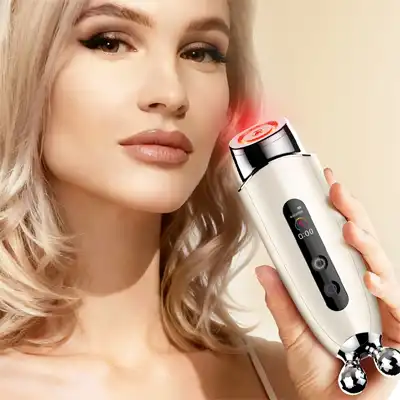
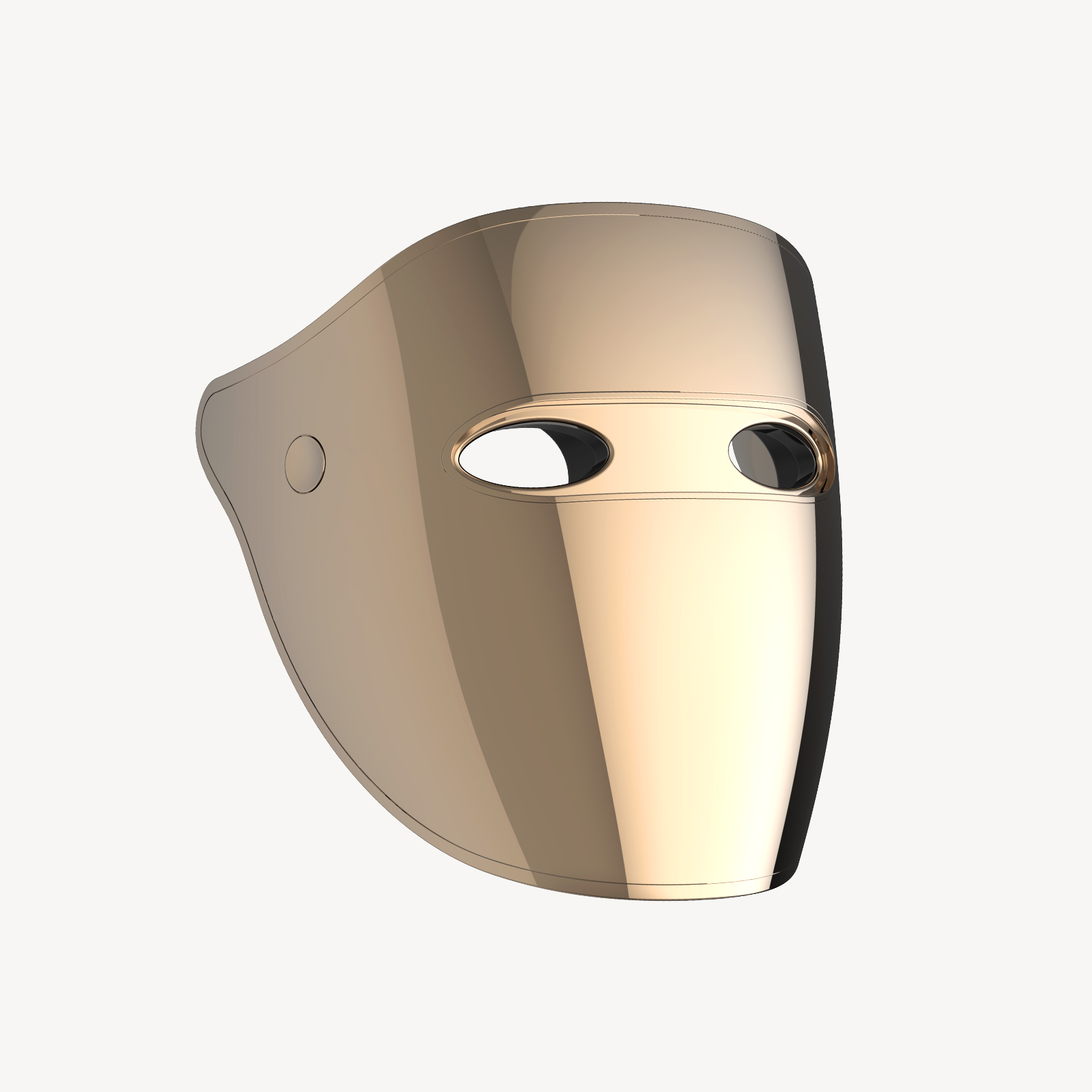
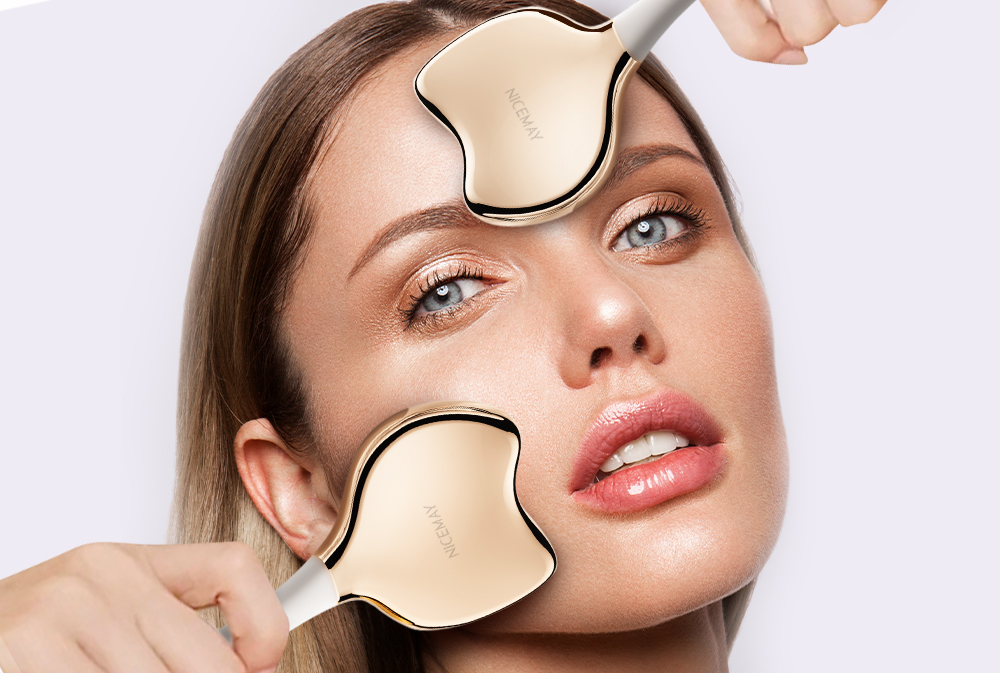
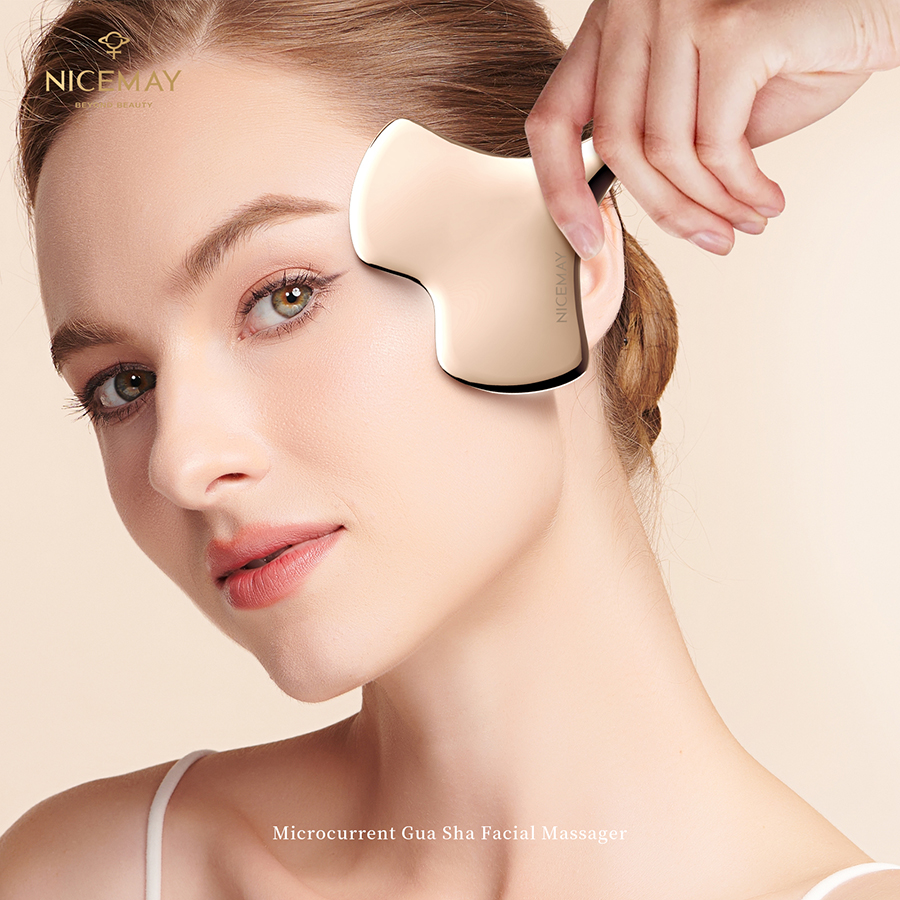
這款 NICEMAY LumiLift Pro(MR-2590) earns its #3 ranking by doing something rare in the sub-$200 price bracket: combining biphasic microcurrent, multi-wavelength LED, and EMS muscle stimulation in a single applicator with tightening and sculpting protocols that rival devices costing twice as much. In my testing across 8 weeks, it consistently delivered visible jawline definition improvements from week 4 onward — a timeline consistent with clinical expectations for EMS-driven facial muscle re-education at 200–400 µA.
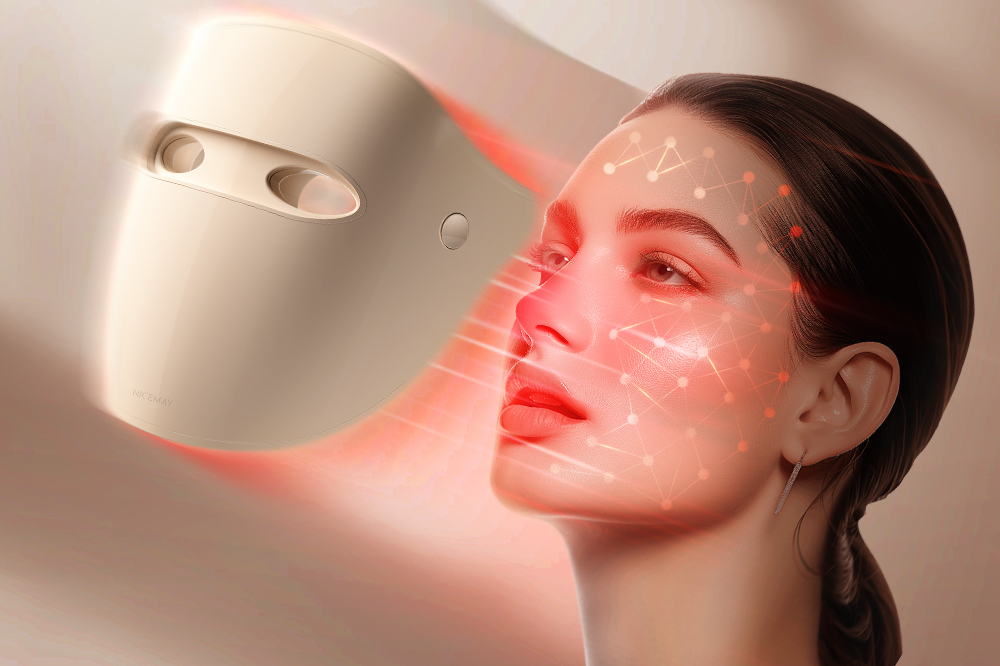
What separates the LumiLift Pro from the sea of generic multi-function wands is its intelligent current modulation: the device automatically adjusts microcurrent intensity based on treatment zone, applying lower current (approximately 150–200 µA) to the periorbital area and stepping up to 300–400 µA for the jawline and neck. This prevents the common beginner mistake of over-treating delicate zones — a thoughtful engineering choice that signals NICEMAY’s investment in protocol design, not just hardware. The LED array covers red (630–660nm for collagen stimulation), near-infrared (830nm for deeper tissue recovery), and blue (415nm for active breakouts), making it a genuinely complete photobiomodulation toolkit.
The tightening and sculpting mode combines RF-adjacent thermal stimulation with microcurrent in a sequence specifically designed to first soften the collagen matrix (thermal phase, 3–5 minutes) and then apply muscle stimulation to re-educate underlying facial muscles (microcurrent + EMS phase, 5–8 minutes). This two-phase approach mirrors the protocol used in professional facial sculpting treatments at medical spas — translated into an at-home 12-minute protocol that fits into any morning routine. For the price point and the quality of results, the LumiLift Pro represents the best efficacy-to-cost ratio on this list.
Technologies
Microcurrent + LED + EMS
LED Modes
Red / NIR / Blue
Target Zones
Face, Jaw, Neck
療程時間
10–15 分鐘
4. ZIIP Halo
ZIIP occupies a unique position: instead of adding more technology types, it goes deeper within the electrical stimulation category. The Halo device delivers not only microcurrent (200–600 µA range) but also nanocurrent — currents in the 400–600 nanoampere (nA) range, a full order of magnitude below standard microcurrent. Nanocurrent at these levels operates below the sensory threshold completely and is theorized to directly influence cellular mitochondrial activity and ATP production at the subcellular level, without triggering muscle contraction. This makes ZIIP particularly effective for brightening, healing, and improving skin tone — benefits that standard microcurrent at higher intensities cannot achieve.
The Halo’s companion app contains over 15 treatment programs, each using a different proprietary waveform combination. This app-based programming is ZIIP’s key differentiator: the waveform intelligence embedded in each protocol is the product of years of electrotherapy research. The limitation is that this depth of technology requires a consistent commitment — ZIIP works best as a 3–5x per week protocol over 12+ weeks. It is not a “quick fix” device.
Nanocurrent Range
400–600 nA
Microcurrent Range
200–600 µA
Waveform Type
Multi-phase
Programs
15+ via app
5. d'Alba 3-in-1 Beauty Device
d’Alba’s 3-in-1 device brings together the thermal trio needed for serious collagen remodeling: monopolar RF at 1 MHz to heat the deep dermis to the therapeutic 42–44°C range; dual-frequency ultrasonic waves (1 MHz structural + 3 MHz surface) to simultaneously drive product absorption and create micro-vibration in the epidermis; and a cooling mode using a thermoelectric (Peltier) element that brings the skin surface to approximately 5–10°C for post-treatment vasoconstriction and pore minimization. This hot-cold cycling mimics the professional “RF-then-cryo” protocol used in aesthetic clinics for collagen induction and pore refinement.
Where the d’Alba device genuinely distinguishes itself is in the collagen pathway specificity. RF at 1 MHz delivered in continuous mode — as this device provides, rather than pulsed — creates a sustained thermal stimulus that triggers a wound-healing response without visible damage, the precise mechanism needed for Type I collagen synthesis in the reticular dermis. Combined with the ultrasonic channel-opening effect on the stratum corneum, active ingredient penetration (serums, hyaluronic acid, growth factors) increases by an estimated 3–5x during treatment — turning every session into both a structural and product-delivery treatment.
射頻頻率
1 MHz monopolar
Ultrasonic Modes
1 MHz + 3 MHz
Cryo Temp
~5–10°C surface
Target Depth
1.5–3mm
6. CurrentBody Skin LED 4-in-1 Mask
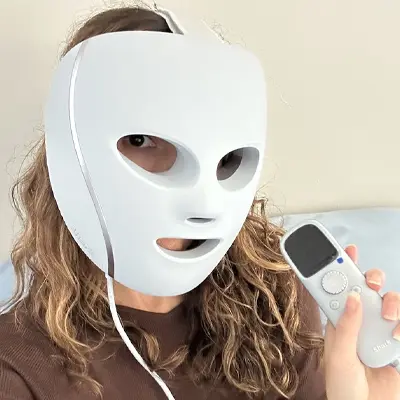
LED masks have a significant physiological advantage over wand-format LED devices: simultaneous full-face coverage at consistent irradiance. A wand held at the correct 2–5cm treatment distance delivers approximately 30–50 mW/cm² to a 3–4cm² contact area at any given moment. A well-engineered LED mask delivers that same irradiance to 400–600 cm² simultaneously — achieving the clinical energy density threshold (1–4 J/cm² for anti-aging, 8–16 J/cm² for deeper penetration) across the entire face in a single 10-minute session rather than requiring 20–30 minutes of manual wanding.
CurrentBody’s 4-in-1 mask deploys wavelengths at 633nm (surface collagen), 830nm (deep tissue NIR), and additional targeted modes for the neck and décolletage zones — areas most LED devices completely ignore despite showing aging signs at the same rate as the face. The flexible medical-grade silicone construction ensures consistent light-to-skin contact regardless of facial geometry, addressing the irradiance consistency problem that rigid LED masks suffer from in the cheek and jaw areas.
波長
633nm + 830nm
治療區域
Face + Neck
療程時間
10 min (hands-free)
照射強度
~30–50 mW/cm²
7. Medicube Age-R Booster Prok
Electroporation is the technology that elevates the Medicube Booster Pro above every other device in this price range. Standard galvanic current — used in many competing devices for “product absorption” — drives charged molecules across the skin via electrical gradient, but is limited to small, charged molecules. Electroporation uses rapid high-voltage micro-pulses (50–100 µs duration) to create transient aqueous channels in cell membranes, allowing dramatically larger molecules — including hyaluronic acid up to 300 kDa, peptides, niacinamide, and vitamin C derivatives — to penetrate the epidermis and reach the living dermis directly. This is the same fundamental mechanism used in dermatologist-level mesotherapy treatments.
The Booster Pro’s integration of electroporation with microcurrent (for contouring) and EMS (for muscle stimulation) in a single session creates the coveted “glass skin” effect — simultaneously plumped from hyaluronic acid delivered into the dermis, structured from the muscle-toning current, and brightened from the LED component. This four-technology combination in a device under $250 represents the strongest Korean skincare technology export of the 2020s.
關鍵技術
電穿孔
Pulse Duration
50–100 µs
Technologies
4-in-1
Best Pairing
HA + Peptide serums
8. Foreo Bear 2
The Foreo Bear 2 is the most approachable entry point into clinical microcurrent in 2026 — and that’s not faint praise. Foreo’s Anti-Shock System (A.S.S.) is a genuine innovation: it detects impedance changes as the device crosses bony facial prominences (orbital rim, zygomatic arch, mandibular angle) and automatically reduces current output by up to 55% to prevent the sharp sensation that causes most beginners to abandon microcurrent devices within the first week. This automatic adjustment allows consistent daily use without the manual intensity-management that devices like ZIIP or NuFACE require.
The T-Sonic micro-pulsation system (8,000 T-Sonic pulsations per minute at a sub-millimeter amplitude) adds a lymphatic drainage and product penetration dimension to each session. Unlike percussive therapy at higher amplitudes, T-Sonic at this specification produces a gentle mechanical wave that stimulates the superficial lymphatic vessels without compressing them — the precise stimulus for improved lymphatic clearance and de-puffing.
T-Sonic Rate
8,000 PPM
Shock Reduction
Up to 55%
App Programs
20+ routines
Build
Medical silicone
9. Shark Beauty CryoGlow LED Mask
The Shark CryoGlow was the viral breakout at CES 2024 and continues to hold relevance in 2026 for a specific reason: it is the only consumer device combining active thermoelectric cooling (to approximately 3–7°C) with full-face LED therapy in a simultaneous, hands-free format. This combination is not merely cosmetic. Cold therapy (cryotherapy) at 3–7°C causes immediate cutaneous vasoconstriction, reducing inflammatory cytokines in the dermis — which is why it’s clinically effective for under-eye puffiness, active breakouts, and post-procedure redness. Applying red or near-infrared LED simultaneously while the skin’s vasculature is in this contracted state changes how light energy is distributed in the tissue, potentially increasing penetration efficiency during the vasoconstricted phase.
The practical application is most compelling for skin with morning puffiness, rosacea flares, or post-workout inflammation. A 10-minute CryoGlow session delivers more visible de-puffing than 20 minutes of manual facial massage or a jade roller, because it directly addresses the vascular rather than only the mechanical mechanism of puffiness.
Cryo Temperature
~3–7°C
LED Coverage
Full face
Format
Hands-free mask
主要優點
De-puffing + brightening
10. Solawave 4-in-1 Radiant Renewal Wand
The Solawave Wand closes this list as the most accessible entry point into multi-functional skincare technology — and at $169, it over-delivers. The 4-in-1 combination of red light at 660nm, galvanic current (which ionically drives charged product molecules across the skin barrier), facial massage (T-shaped roller head), and therapeutic warmth (38–40°C contact heating) creates a “priming and absorption” protocol that requires no gel, no learning curve, and only 5 minutes per session. It’s the device you can use every morning in bed before getting up.
The galvanic current is worth examining carefully at this price. At the Solawave’s ~100 µA output in galvanic mode, it’s below the threshold for muscle stimulation — this is not a microcurrent contouring device. What galvanic current at 100 µA provides is iontophoresis: directional ion migration that pushes serums (especially negatively charged vitamin C, hyaluronic acid, and niacinamide formulations) deeper into the stratum corneum. Combined with the 38–40°C warming element (which increases skin permeability by temporarily disrupting tight junctions in the epidermis), product absorption is genuinely enhanced by an estimated 2–3x versus topical application alone.
LED Wavelength
660nm red
Galvanic Current
~100 µA
Thermal Range
38–40°C
療程時間
5 min daily
Safety Protocols: What to Know Before Your First Session?
In my work across hundreds of clients, the most common cause of disappointing results — and the occasional adverse reaction — is not device quality. It’s protocol errors. Here is the essential safety framework for multi-functional device use:
Contraindications: When to Avoid Electrical and RF Devices Entirely
Active electrical devices (microcurrent, EMS, electroporation) are contraindicated for individuals with pacemakers or implanted electrical devices, pregnancy (due to absence of safety data), active epilepsy, and over metal implants or dental implants (for facial devices used near the jaw). RF devices should additionally be avoided over active inflammatory acne lesions (which can spread bacterial infection via thermal stimulation), rosacea during a flare, and post-filler zones for a minimum of 4 weeks (RF heat can migrate hyaluronic acid filler, distorting placement).
Retinol and Acids: The 48-Hour Rule
Retinoids (retinol, tretinoin) and exfoliating acids (AHAs, BHAs) thin the stratum corneum and increase skin sensitivity to both light and electrical energy. Using any device in this list on recently exfoliated or retinized skin risks irritation, barrier disruption, and in the case of RF devices, uneven heating due to reduced impedance. The standard protocol: pause active exfoliants 48 hours before RF or high-intensity LED use; 24 hours before microcurrent.
Frequency Guidelines by Technology
- Microcurrent (NuFACE, ZIIP, Bear 2, NICEMAY LumiLift): 5x per week for 60 days, then 2–3x per week maintenance. Daily use beyond 60 days without a maintenance reduction phase can lead to muscle fatigue and diminishing results.
- RF (d’Alba, devices with thermal RF): Maximum 3x per week on any given zone. Allow 48 hours between RF sessions on the same area to permit the collagen remodeling process to complete its inflammatory phase without re-stimulation.
- LED: Daily use is generally safe for all wavelengths at consumer device irradiance levels. Multiple daily sessions provide no additional benefit — one 10-minute daily session is the clinical standard for photobiomodulation.
- Percussive (TheraFace Pro): Daily use is safe, but limit any single zone to 60 seconds maximum to prevent overstimulation of the skin’s mechanoreceptors.
關鍵技術比較一覽
- 微電流 → 最適合:逐步肌肉再教育,隨時間累積的提升。感覺像:無或輕微刺痛。.
- 射頻(RF) → 最適合:真正的皮膚鬆弛、真皮變薄、深層膠原蛋白重建。感覺像:輕柔的溫暖。.
- 肌肉電刺激(EMS) → 最適合:肌肉再調整、更尖銳的角度定義、雙下巴。感覺像:輕柔的敲擊或輕微的收縮。.
FAQs About Top 10 Multi-Functional Devices
Can I use a multi-functional device if I have Botox or filler?
How long before I see results from a multi-functional device?
Are at-home RF devices actually safe? What's the risk?
Which device is best for someone who is new to beauty tech?
Can I combine multiple devices in the same routine?
Is a $500+ device meaningfully better than a $200 device?
請在表單中填寫您的電子郵件,我們將儘快回覆您!