


Brauchen Sie eine Reinigungsbürste, wenn Sie bereits exfolieren?

Wenn Ihre Peeling-Routine bereits funktioniert, benötigen Sie fast sicher keine Reinigungsbürste. Die beiden erfüllen überlappende Funktionen, und sie übereinander zu schichten, ohne einen klaren Plan zu haben, ist eine der häufigsten Arten, wie Menschen unbewusst ihre Hautbarriere schädigen. Das gesagt, gibt es bestimmte Situationen, in denen eine Bürste wirklich ihren Platz verdient—auch neben Peelings.

Reinigungsbürsten und Peeling: Das Verständnis der Überschneidung
Die meisten Menschen denken an Reinigungsbürsten reine Reinigungswerkzeuge—etwas, um Foundation- oder Sonnenschutzreste zu entfernen. Aber die oszillierenden oder rotierenden Borsten bewirken noch etwas anderes: Sie erzeugen sanften mechanischen Reibung gegen die Hautoberfläche und lösen dabei abgestorbene Hautzellen. Das ist Peeling, auch wenn die Verpackung das nicht sagt.
Hier wird die Überschneidung mit Ihrer bestehenden Peeling-Routine wichtig. Wenn Sie bereits ein chemisches Peeling verwenden—ein BHA wie Salicylsäure ein paar Nächte pro Woche oder ein AHA wie Milchsäure—durchläuft Ihre Haut bereits kontrollierten Zellumsatz. Eine Bürste zusätzlich zu verwenden, bringt nicht den doppelten Nutzen. Oft führt es zu doppelt so viel Reizung.
Was zählt als Peeling?
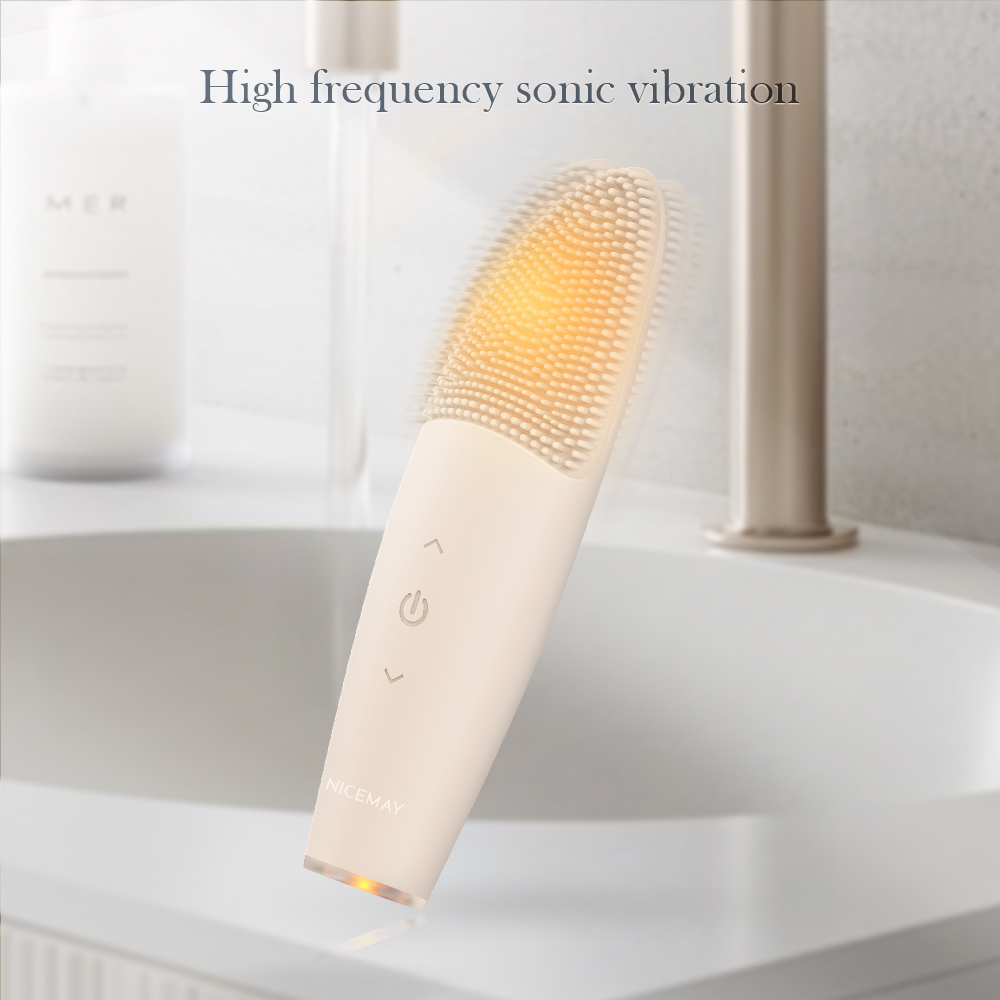
| Faktor | Gesichtsreinigungsbürste | Sonic-Reiniger |
|---|---|---|
| REINIGUNGSWIRKUNG | Physikalische Peeling durch rotierende Borsten | Sonic-Vibrationen lösen Schmutz ohne Reibung SANFTER |
| PEELING-LEVEL | Tiefer, aggressiver INTENSIVER | Mildes, oberflächenbezogenes tägliches Peeling |
| HAUTSICHERHEIT | Risiko der Überpeeling bei täglichem Gebrauch | Allgemein sicher für den täglichen Gebrauch SICHERER TÄGLICH |
| HYGIENE | Borsten fangen Bakterien; Köpfe müssen häufig ausgetauscht werden | Silicone sind porenfrei und bakterienresistent HYGIENISCHER |
| MAKE-UP-ENTFERNUNG | Sehr effektiv bei der Entfernung von schwerem Make-up STÄRKER | Weniger effektiv bei dicker/schwerer Abdeckung |
| EMPfindliche HAUT | Nicht empfohlen | Gut geeignet mit niedrigen Intensitätseinstellungen BEVORZUGT |
| LANGZEITKOSTEN | Ersatzköpfe verursachen laufende Kosten | Weniger Wartung nach dem ersten Kauf BESSERER WERT |
| SERUM-ABSORPTION | Mäßig | Vibrationen verbessern die Produktaufnahme EFFIZIENTER |


Wenn eine Reinigungsbürste tatsächlich Mehrwert bietet
Es gibt echte Szenarien, in denen eine Bürste eine Lücke füllt, die alleinige Peeling nicht abdeckt. Der Unterschied hängt davon ab, was Sie tatsächlich erreichen möchten.
Tiefenreinigung, nicht nur Peeling
Die Hauptaufgabe einer Reinigungsbürste—bei korrekter Anwendung—ist die gründliche Entfernung von Oberflächenrückständen. Silikonborstenbürsten sind besonders effektiv beim Lösen von Sonnenschutzresten und ölbasierter Make-up von den Poren, ohne auf übermäßiges Schrubben angewiesen zu sein. Dies ist ein Reinigungs- und kein Peeling-Vorteil. Wenn Ihre Haut trotz regelmäßigen Peelings dazu neigt, verstopft zu bleiben, könnte eine Bürste das beheben, was Ihr Reiniger allein nicht schafft.
Fettige und Akneanfällige Haut
Für Menschen mit anhaltend fettiger Haut kann eine Bürste helfen, den Aufbau zu kontrollieren, der zu Verstopfungen führt. Der Schlüssel ist die Häufigkeit: ein- bis zweimal pro Woche, an Abenden, an denen Sie kein ein chemisches Peeling anwenden. Dies als eine Frage der Planung zu betrachten, anstatt des Produkts, verhindert meist die Falle des Überpeelings.
Silikon-Reinigungsbürsten sind in der Regel schonender und leichter zu desinfizieren als herkömmliche Modelle mit Nylonborsten—ein bedeutender Unterschied, wenn Sie eine Bürste in der Nähe von zu Akne neigenden Bereichen verwenden. Bakterien auf Bürstenköpfen sind ein echtes und unterschätztes Problem.
Wenn Make-up Entfernen das eigentliche Problem ist
Hartnäckige, langhaftende Formeln—abdeckende Foundations, wasserfester Sonnenschutz, Full-Coverage-Concealer—lassen sich oft nicht vollständig mit Reinigern allein entfernen, selbst bei Doppelreinigung. In diesen Fällen kann eine Bürste mit weichen Borsten bei der mechanischen Entfernung helfen, ohne die Reibung eines Peelings. Dies ist wahrscheinlich der stärkste legitime Anwendungsfall für den Besitz einer Bürste bei Menschen, die bereits peelen.
Das Risiko, das die meisten Routinen unterschätzen: Überpeeling
Überpeeling sieht nicht immer dramatisch aus. Es kündigt sich nicht immer durch Rötung oder Schuppenbildung an. Häufig zeigt es sich als Haut, die sich ständig gespannt anfühlt, unerwartet ausbricht oder ihre Fähigkeit verliert, Feuchtigkeit zu speichern—Zeichen einer geschädigten Barriere dass Menschen häufig falsch lesen und denken, es sei mehr Produkt erforderlich, nicht weniger.
Anzeichen dafür, dass Ihre Hautbarriere bereits belastet ist
- Erhöhte Empfindlichkeit gegenüber Produkten, die früher gut vertragen wurden
- Ein glänzendes, aber dehydriertes Erscheinungsbild—oft als “Glas-Haut” bezeichnet, aber es ist nicht so
- Hautunreinheiten, die sich zu drehen scheinen, anstatt zu klären
- Stechen durch Toner oder Seren ohne Wirkstoffe
- Haut, die leicht errötet oder auf Temperaturschwankungen reaktiv reagiert
Wenn Ihnen eines dieser Anzeichen bekannt vorkommt, ist die Verwendung einer Reinigungsbürste—egal wie sanft das Marketing sie darstellt—wahrscheinlich nicht hilfreich. Die Lösung in solchen Fällen ist Vereinfachung, nicht Ergänzung.
Die tägliche Bürstenanwendung ist der häufigste Fehler, den Dermatologen bei Patienten mit chronischer Empfindlichkeit angeben Selbst wenn eine Bürste als “tägliche Anwendung” gekennzeichnet ist, bedeutet das nicht, dass Ihre Haut in Kombination mit Ihrer bestehenden Routine diese Frequenz verträgt.

Nach Hauttyp: Sollten Sie eine Bürste hinzufügen?
Fettige Haut
Verstopfungen sind ein echtes Problem. Eine Bürste 1–2 Mal pro Woche, abwechselnd mit Peelings, kann helfen, Öl und Ablagerungen zu kontrollieren.
Normale Haut
Wenn Ihre aktuelle Routine gut funktioniert, ist eine Bürste optional. Verwenden Sie sie für eine gründliche Reinigung nach starkem Sonnenschutz oder Make-up, nicht als regelmäßigen Schritt.
Trockene Haut
Trockene Haut hat tendenziell eine dünnere Lipidschicht. Eine Bürste erzeugt Reibung, die Ihre Haut möglicherweise nicht benötigt—setzen Sie stattdessen auf chemische Peelings.
Empfindliche oder Rosazea-anfällige Haut
Physikalischer Reibung kann Rötungen und Reaktivität verschlimmern. Eine Bürste ist hier selten das richtige Werkzeug, selbst bei niedriger Frequenz.
Akne aktiv
Bürsten können Bakterien verbreiten und Entzündungen verschlimmern. Chemische Peelings mit antibakteriellen Eigenschaften—wie Salicylsäure—sind geeigneter.
Wie man eine Reinigungsbürste in eine bestehende Routine integriert, ohne die Haut zu schädigen
Wenn Sie nach Abwägung aller Faktoren entscheiden, es zu versuchen, machen einige Grundprinzipien den Unterschied zwischen einer nützlichen Ergänzung und einer chronischen Reizung.
Behandeln Sie es als ein Terminplan-Problem
Betrachten Sie Ihre Reinigungsbürste als einen Ihrer wöchentlichen Hautpflegetermine—den gleichen Slot, der sonst für ein exfolierendes Toner oder ein physisches Peeling reserviert wäre. Es ersetzt diese Nächte; es stapelt sich nicht darauf. Eine funktionale Struktur könnte folgendermaßen aussehen: Chemisches Peeling Montag, Mittwoch, Freitag; Reinigungsbürste Donnerstag; keine Wirkstoffe an den verbleibenden Tagen. Passen Sie es an, basierend auf der Reaktion Ihrer Haut über zwei bis vier Wochen.
Startfrequenz
Beginnen Sie mit einmal pro Woche im ersten Monat, unabhängig von Ihrem Hauttyp. Das Ziel ist, Ihre Schwelle zu finden, bevor Sie sie überschreiten, nicht, die Nutzung sofort zu maximieren.
Borstenwahl
Weichere Borsten sind für die meisten Erwachsenen fast immer besser. Festere Borsten sind nicht effektiver—sie sind abrasiver. Wenn Sie zwischen Silikon und Nylon wählen, ist Silikon leichter sauber zu halten und weniger wahrscheinlich, Mikroverletzungen auf sensibilisierter Haut zu verursachen.
Druck und Dauer
Die meisten Bürsten sind so konzipiert, dass sie mit minimalem Druck gleiten—lassen Sie den Motor oder die Vibration die Arbeit machen. Dreißig bis sechzig Sekunden über das ganze Gesicht sind in der Regel ausreichend. Länger zu gehen oder stärker zu drücken verbessert die Ergebnisse nicht; es erhöht die Wahrscheinlichkeit von Barriereschäden.
Wenn Sie noch abwägen, ob eine Reinigungsbürste für Ihre speziellen Hautprobleme sinnvoll ist, Sind Gesichtspflegebürsten die Anschaffung wert? Dermatologen-Urteil zeigt auf, wie Fachärzte für Dermatologie diese Werkzeuge bewerten—einschließlich der spezifischen Hautbilder, bei denen sie sie empfehlen oder nicht empfehlen. Es ist ein nützlicher Datenpunkt, bevor Sie Geld für ein Gerät ausgeben.
Ein spezielles Anliegen: Reinigungsbürsten und ungleichmäßiger Hautton
Eine Frage, die bei Menschen, die bereits exfolieren, häufig aufkommt, ist, ob eine Reinigungsbürste helfen könnte, Hyperpigmentierung oder ungleichmäßige Textur zu verbessern. Dies ist es wert, direkt angesprochen zu werden, da die Antwort nuancierter ist, als die meisten Produktbeschreibungen vermuten lassen.
Mechanische Exfoliation durch eine Bürste entfernt zwar einige oberflächliche abgestorbene Hautzellen, was vorübergehend die Ausstrahlung und sehr oberflächliche Texturprobleme verbessern kann. Aber Hyperpigmentierung—egal ob postentzündlich (z.B. nach Akne), UV-bedingt oder hormonell—lebt in einer Tiefe, die Bürsten nicht sinnvoll erreichen. Die Zellen, die dunkle Flecken verursachen, befinden sich in der Basalschicht, nicht auf dem Stratum corneum, das von Bürsten bearbeitet wird.
Zu aggressives Bürsten um hyperpigmentierte Bereiche kann das Problem tatsächlich verschlimmern, indem es eine niedriggradige Entzündung auslöst, die die Melaninproduktion anregt. Wenn Hyperpigmentierung ein primäres Anliegen in Ihrer Routine ist, Kann eine Gesichtsreinigungsbürste bei Hyperpigmentierung helfen? beinhaltet die dermatologische Evidenz zu diesem spezifischen Anwendungsfall—einschließlich welcher Arten von Pigmentierung auf mechanische Exfoliation ansprechen und welche ganz andere Interventionen erfordern.
Die praktische Antwort
Für die meisten Menschen mit einer etablierten Peeling-Routine ist eine Reinigungsbürste kein notwendiger Kauf. Ihre Haut benötigt sie nicht, und eine unvorsichtige Einführung kann eher Probleme verursachen als lösen.
Wo eine Bürste wirklich ihren Platz verdient: Wenn Sie regelmäßig starken Sonnenschutz oder Vollabdeckungs-Make-up tragen, fettige/zugeknallte Haut haben, die chemisches Peeling nicht vollständig adressiert, oder wenn Sie eine physische Peeling-Alternative suchen, die kontrollierter und weniger abrasiv ist. In diesen Fällen ist eine Bürste mit weichen Borsten oder Silikon – höchstens zweimal pro Woche an Nicht-Peeling-Abenden – eine sinnvolle Ergänzung.
Der klügere Ansatz in den meisten Situationen ist es, zu prüfen, was Ihre aktuelle Routine tatsächlich bewirkt, bevor Sie einen weiteren Schritt hinzufügen. Häufig liegt das Problem nicht darin, dass Ihnen ein Werkzeug fehlt, sondern darin, dass ein bestehendes Produkt strategischer eingesetzt werden könnte.
Bitte füllen Sie Ihre E-Mail im Formular aus, und wir werden uns bald bei Ihnen melden, um Ihnen zu helfen!