


Red Light Therapy Mask 2026: Benefits, Science, How to Choose & Best Practices
The Ultimate 2026 Guide to At-Home LED Face Masks – Backed by Science
What Is a Red Light Therapy Mask?
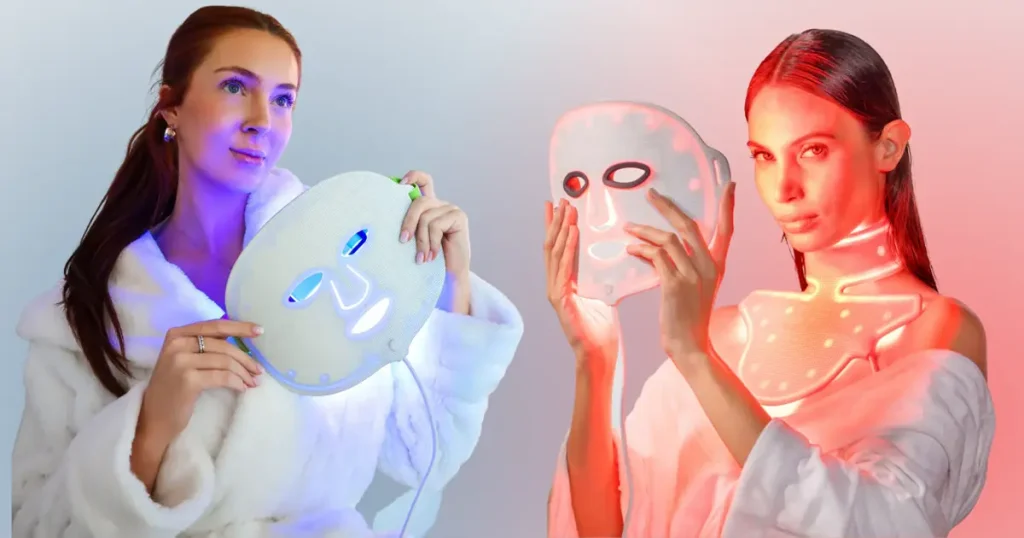
A red light therapy mask (also commonly called an LED face mask or LED light therapy mask) is a hands-free, at-home skincare device that uses low-level light-emitting diodes (LEDs) to deliver specific wavelengths of red and near-infrared light directly to your facial skin. Unlike traditional skincare creams or invasive treatments, these masks work through a non-thermal, non-ablative process known as photobiomodulation — gently stimulating your skin cells to repair, regenerate, and rejuvenate from within.
What began as clinical-grade laser technology evolved into safe, consumer-friendly LED devices by the early 2000s — eliminating the risks of lasers and making the treatment accessible for home use. By 2026, red light therapy masks have become one of the fastest-growing categories in beauty tech, with millions adopting them as a daily ritual for anti-aging, acne reduction, and overall skin health.
The biggest difference from other red light devices?
- Red light therapy masks are specifically engineered for the face: they sit directly on (or very close to) the skin, delivering consistent, targeted dosing in a hands-free format — perfect while you relax, work, or multitask.
- In contrast, larger LED panels treat broader body areas (or require standing/sitting farther away), while handheld wands or spot devices demand manual application and offer less coverage.
Whether you’re targeting fine lines, uneven tone, redness, or simply want glowing, resilient skin without stepping into a clinic, a quality red light therapy mask in 2026 offers clinic-level results from the comfort of home.
The Science Behind Red Light Therapy Masks
How Red Light Therapy Masks Work: The Science of Photobiomodulation
Red light therapy (RLT) isn’t magic; it’s Photobiomodulation (PBM)—a natural biological process where skin cells absorb light and convert it into cellular energy.
1. The Cellular “Power Bank” (ATP Production)
At the cellular level, red light targets the mitochondria (the cell’s powerhouse).
-
The Process: Photons are absorbed by an enzyme called Cytochrome c Oxidase.
-
The Result: This triggers the production of ATP (Adenosine Triphosphate).
-
The Impact: Think of it as “charging” your skin cells. More ATP means cells can repair damage, replicate, and produce collagen much faster than usual.
2. The Golden Wavelengths: 630nm vs. 850nm
For a mask to be effective, it must use specific wavelengths that can penetrate the skin’s “optical window.”
-
630nm – 660nm (Red Light): * Target: Surface layers (Epidermis).
-
Best For: Reducing redness, calming inflammation, and brightening skin tone.
-
-
830nm – 850nm (Near-Infrared/NIR): * Target: Deep layers (Dermis & Subcutaneous tissue).
-
Best For: Stimulating deep collagen fibers, reducing deep wrinkles, and accelerating wound healing.
-
3. The Biological Domino Effect
Once the light absorption happens, it triggers three key skin improvements:
-
Neocollagenesis: Fibroblast cells wake up and start building new collagen and elastin “scaffolding.”
-
Increased Circulation: New micro-capillaries form, bringing more oxygen and nutrients to the face.
-
Detoxification: Enhanced lymph drainage helps clear out cellular waste, reducing puffiness and dullness.

- How Photobiomodulation Works in Red Light Therapy Masks?
- The Biological Mechanism Behind Red Light Skin Therapy
- How Deep Red Light Therapy Penetrates Facial Skin?
- The Role of Near Infrared Light in LED Face Masks
- Why 630nm and 660nm Are Common in LED Face Masks?
- How Irradiance Affects the Effectiveness of Red Light Therapy Masks?
- Why LED Technology Is Used in Red Light Therapy Masks?
- What Wavelength Is Used in Red Light Therapy Masks?
Proven Skin Benefits of Red Light Therapy Masks
Red light therapy masks have gained massive popularity for good reason: a growing body of clinical evidence shows they can deliver measurable improvements in skin health through non-invasive photobiomodulation. By delivering targeted wavelengths (primarily 630–660 nm red and 830–850 nm near-infrared), these at-home devices stimulate cellular processes that address some of the most common concerns — from aging signs to inflammation-driven issues.
While results are often gradual and subtle (typically visible after 4–12 weeks of consistent use), studies from 2023–2025 demonstrate real, objective changes in collagen levels, wrinkle depth, skin texture, redness, and more. Below, we break down the key benefits backed by science, including specific clinical findings where available.
Collagen is the structural protein that keeps skin firm, plump, and youthful — but production naturally declines with age, sun exposure, and lifestyle factors. Red and near-infrared light penetrates the dermis to activate fibroblasts (the cells responsible for collagen synthesis) and boost mitochondrial function, leading to increased ATP and growth factor release.
A landmark 2023 clinical study (published in Photobiomodulation, Photomedicine, and Laser Surgery) tested a 630 nm LED mask on 20 adults twice weekly for 12 weeks. Ultrasound imaging showed progressive increases in dermal density (up to 47.7% after 84 days) and significant improvements in facial firmness and elasticity. Other reviews (including Harvard Health 2025 update and AAD reports) confirm red light stimulates collagen while reducing matrix metalloproteinases (enzymes that break down collagen), resulting in thicker, more resilient skin over time.

Fine lines and wrinkles — especially crow’s feet, forehead lines, and nasolabial folds — respond well to consistent red light use due to enhanced collagen and elastin remodeling.
In the same 2023 study mentioned above, crow’s feet wrinkle depth decreased by 15.6% after just 28 days, 34.7% after 56 days, and 38.3% after 84 days of twice-weekly 12-minute sessions. A 2025 Korean clinical trial using 630 nm red + 850 nm near-infrared LED masks reported similar anti-wrinkle effects, with independent raters noting ≥69% improvement in wrinkle appearance after 16 weeks. Dermatologists from the American Academy of Dermatology (AAD) note that over 90% of participants in multiple studies reported softer, smoother skin and reduced fine lines after regular treatments.
Red light alone targets inflammation and supports healing of existing breakouts, while many masks combine it with blue light (415–470 nm) to kill acne-causing bacteria (P. acnes).
Clinical trials combining red + blue LED therapy have shown reductions in inflammatory lesions and overall acne severity after several weeks. Red light’s anti-inflammatory action helps calm redness and prevent scarring, making it especially useful for mild to moderate inflammatory acne. A 2025 review highlighted modest but consistent improvements in acne-prone skin, with better texture and fewer post-inflammatory marks when used regularly.

Hyperpigmentation (dark spots, melasma, sun damage) improves through reduced inflammation, evened skin tone, and accelerated cell turnover.
Multiple studies, including one with 90 patients receiving red LED treatments over 4 weeks, reported lightening of dark spots and more uniform complexion in over 90% of participants. AAD-endorsed research shows red light helps fade discoloration and post-inflammatory hyperpigmentation by calming oxidative stress and supporting melanin regulation. Results are more pronounced when combined with topical brighteners.
Smoother, more refined texture is one of the most commonly reported benefits — thanks to increased collagen, reduced roughness, and better hydration retention.
Clinical data from 2023–2025 studies show decreased skin roughness, smaller pore appearance, and improved overall complexion uniformity. Participants in mask trials often noted “post-mask glow,” with objective measures (e.g., ultrasound and profilometry) confirming firmer, more even skin after 8–12 weeks.


Red light therapy masks promote skin cell regeneration by delivering specific wavelengths of light (mainly 630–660 nm red and 830–850 nm near-infrared) deep into the skin. These photons are absorbed by the mitochondria — the energy centers of skin cells — boosting ATP production and cellular energy.
With higher energy levels, skin cells work more efficiently: fibroblasts produce more collagen and elastin, cell turnover accelerates, and damaged cells repair faster. This gentle, non-invasive process leads to firmer skin, smoother texture, reduced wrinkles, and overall healthier-looking skin over time.
How to Use a Red Light Therapy Mask Correctly?
Using a red light therapy mask is straightforward, but consistency, proper preparation, and adherence to guidelines are key to maximizing benefits like collagen production, wrinkle reduction, and calmer skin. In 2026, with more FDA-cleared, high-irradiance devices available, following evidence-based routines ensures safe, effective results without overuse.
Recommended Frequency and Session Duration
Most dermatologists and clinical guidelines recommend using a red light therapy mask 3–5 times per week for optimal skin improvements. This frequency allows your skin cells time to respond and regenerate between sessions while building cumulative benefits.
- General/anti-aging use: 3–5 sessions per week
- Acne or inflammation-focused: Start with 4–5 times per week, then reduce to maintenance (2–3 times) once improvements appear
- Sensitive skin or rosacea-prone: Begin with 2–4 times per week, shorter sessions
- Daily use: Many modern masks (especially lower-irradiance or gentle models) are safe for daily 10–20 minute sessions, but experts advise starting conservatively and avoiding daily use for more than 2–3 weeks without a short break to prevent diminishing returns
Session length typically ranges from 10–20 minutes, with most devices featuring auto-timers that shut off automatically. Higher-irradiance masks (≥30–50 mW/cm²) may deliver effective doses in 10–15 minutes, while lower-powered ones might need the full 20 minutes. Always follow your specific device’s instructions—overdoing time or frequency rarely accelerates results and can lead to temporary dryness or reduced efficacy.

- Early changes (4–6 weeks): Many users notice improved glow, smoother texture, reduced redness, and better hydration
- Visible improvements (8–12 weeks): Significant reductions in fine lines, wrinkle depth, acne marks, hyperpigmentation, and overall firmness (backed by 2023–2025 clinical studies showing progressive collagen increases and wrinkle reductions over 8–16 weeks)
- Long-term maintenance: After 3–6 months of consistent use, continue 2–3 sessions per week to sustain results
Step-by-Step Best Practices for Each Session
- Cleanse your skin thoroughly: Start with clean, dry skin. Remove makeup, sunscreen, oils, or heavy creams—any barrier can reduce light penetration. Use a gentle cleanser; pat dry completely.
- Apply eye protection if needed: Most 2026 flexible silicone masks include built-in eye shields, but wear provided goggles if your model doesn’t fully cover eyes or if you’re light-sensitive.
- Position the mask correctly: Secure it snugly against your face for even contact and optimal light delivery. Wireless models allow multitasking (reading, relaxing), while wired ones may require staying near an outlet.
- Choose the right mode: Select red (630–660 nm) or red + near-infrared (830–850 nm) for anti-aging/repair. If your mask includes blue light, use it separately for active acne.
- Follow with skincare: Apply serums, moisturizers, or treatments immediately after—the light enhances absorption. Recommended order: cleanse → red light → actives (hyaluronic acid, peptides, retinol at night) → moisturizer → SPF (morning only).
How to Choose the Best Red Light Therapy Mask in 2026
With dozens of red light therapy masks flooding the market in 2026—from budget options to premium FDA-cleared models—choosing the right one can feel overwhelming. The key is focusing on evidence-based specs that directly impact effectiveness, safety, and long-term value, rather than hype or aesthetics alone.
High-quality masks deliver consistent photobiomodulation through precise wavelengths, sufficient irradiance (power density), and even coverage. Prioritize devices with FDA clearance (Class II medical device status), as this confirms safety testing and substantiated claims. Avoid unverified imports or “knockoffs” that exaggerate results without data.
1. FDA Clearance / Medical-Grade Certification
Must-have for safety and efficacy. Look for explicit “FDA-cleared” status (not just “FDA-registered”). Top 2026 models from Omnilux, CurrentBody, Dr. Dennis Gross, HigherDOSE (select variants), and others carry this.
2. Red Light Mask Wavelengths
Clinically proven combos deliver the best results:
- Red: 630–660 nm (surface-level collagen boost, anti-aging, redness reduction)
- Near-Infrared (NIR): 830–850 nm (deeper penetration for repair and inflammation)
- Deep NIR (emerging in 2026): 1072 nm (enhanced deep-tissue benefits in premium masks like CurrentBody Series 2) Avoid vague “red light” claims—exact nm specs matter.
3. Irradiance (Power Density)
- ≥30–50 mW/cm² ideal for noticeable results in 10–20 min sessions
- 20–30 mW/cm² acceptable for gentle/sensitive skin
- Below 20 mW/cm² often too weak for consistent benefits Higher irradiance shortens treatment time and boosts fluence (total energy delivered).
4. LED Count & Density
- ≥100–150 LEDs for full-face uniformity
- 200+ in advanced models (e.g., CurrentBody Series 2 with 236 LEDs) High-density arrays prevent “hot spots” and ensure comprehensive treatment.
5. Material & Design
- Flexible medical-grade silicone: Contours to face, comfortable for 10–20 min, even light distribution
- Hard shell/rigid: Less flexible but sometimes higher LED density
- Wireless/rechargeable: Freedom to multitask (most 2026 top picks are wireless or semi-wireless)
6. Other precautions
≥2–3 hours per charge; easy straps/adjustments; eye protection built-in.
1–2 year warranty; 30–60 day money-back guarantee.
$150–$300: Solid entry-level with good specs
$300–$500: Premium FDA-cleared with advanced features
Best Red Light Therapy Masks 2026: Reviews & Comparison Table
In 2026, the red light therapy mask market has matured with more FDA-cleared options, advanced deep near-infrared wavelengths (like 1072 nm for deeper penetration), flexible silicone designs for better fit across face shapes, and higher LED densities for uniform coverage. Top performers combine proven wavelengths (630–660 nm red + 830–850 nm NIR), solid irradiance (≥30 mW/cm²), and user-friendly features like wireless operation and auto-timers.
| Mask | LED Count | Key Wavelengths | Session Time | Best For | Unique Drawback |
|---|---|---|---|---|---|
| Dr. Dennis Gross SpectraLite | 162 | Red, Blue, Red+Blue | 3 min daily | Acne + anti-aging multitasking | Rigid fit may feel tight on small faces |
| CurrentBody Series 2 | 236 | Red, NIR, Deep NIR | 10 min, 3–5x/week | Deep collagen boost, firmness | Controller cord slightly annoying |
| Omnilux Contour Face | 132 | Red + NIR | 10 min, 3–5x/week | Simple daily maintenance | No eye inserts included |
| Therabody TheraFace | 648 | Red, Red+NIR, Blue | 9 min cycles | Vibration + multi-concern | Heavier, bulkier design |
| Shark CryoGlow | 480 (effective) | Red, Blue, NIR | 4–8 min | Cooling depuffing + acne/aging | Noisy fan during cooling |
| HigherDose Red Light | 132 | Red + NIR | 10–20 min | Maximum comfort, longer sessions | Fit tricky around nose |
| NICEMAY MR-2308 Amber Golden | 220 | Deep Red, Red, NIR, Amber | 10–15 min | Budget multi-color rejuvenation | Less known brand, variable reviews |
| Qure Light Therapy Mask | Varies | Red + NIR | 10 min | Value anti-aging | Fewer LEDs than premium picks |
| Sensse Professional | Varies | Multi-color | 10–20 min | Budget-friendly entry | Basic build quality |
| MZ Skin Golden Facial | Varies | Red + Gold | 10 min | Rosacea/redness soothing | Limited to specific concerns |
We’ve reviewed leading models based on recent expert tests (from sources like Forbes, Wirecutter, Women’s Health, Glamour, and dermatologist-backed comparisons), clinical backing, real-user feedback, and key specs. While premium brands like CurrentBody, Omnilux, Dr. Dennis Gross, and HigherDOSE dominate for reliability, emerging or custom options offer strong value—especially for those seeking tailored wavelengths or superior manufacturing.
Among standout choices, the NICEMAY Red Light Therapy Mask stands out for its balance of performance, customization, and real-world value. Backed by 15 years of manufacturing expertise, it features high-density LEDs, custom wavelength tuning (including 630/660/850 nm combos), measured irradiance around 45 mW/cm², and medical-grade silicone for comfort. It’s ideal for daily anti-aging, acne support, or redness reduction, with OEM-level quality that rivals or exceeds many consumer brands in even light distribution and durability.
For a broader look at the best at-home options currently available (including more budget-friendly and specialized picks), check out our detailed roundup: Best Red Light Therapy Masks for Home Use.
Many top home-use masks qualify as “medical-grade” thanks to FDA clearance and clinical specs, but not all consumer devices reach the same power or precision standards. To understand the real differences between true medical-grade LED masks and typical consumer-grade ones (including irradiance gaps, penetration depth, and when to choose one over the other), read our in-depth comparison: Medical Grade LED Masks Compared With Consumer Devices.
Safety, Side Effects & Who Should Avoid It
Red light therapy masks are among the safest at-home skincare devices in 2026. They use non-thermal, low-level LED light (630–850 nm) with no UV rays, no heat damage, and no risk of DNA alteration. FDA-cleared models have undergone rigorous safety testing, and large-scale 2025 clinical reviews (including multi-center trials) confirm they are non-invasive and well-tolerated across skin types when used as directed. Millions of users worldwide experience zero issues with consistent 10–20 minute sessions.
However, safety always depends on individual health factors. Certain groups should consult a doctor or avoid use entirely: pregnant or breastfeeding individuals, those with photosensitivity (lupus, porphyria, or photosensitizing medications), active skin infections, history of skin cancer, epilepsy (due to flashing modes in some devices), or thyroid issues when treating the neck. Always start with a patch test and follow your device’s guidelines.
Most high-quality red light therapy masks are specifically designed and clinically tested for daily or near-daily use (3–7 sessions per week). There is no evidence of cumulative harm when staying within the recommended 10–20 minute window. Many users follow a daily routine for faster collagen and texture improvements without any negative effects. Experts recommend starting slower and listening to your skin, but daily use is generally safe and effective for the majority of people.


Fine lines and wrinkles — especially crow’s feet, forehead lines, and nasolabial folds — respond well to consistent red light use due to enhanced collagen and elastin remodeling.
In the same 2023 study mentioned above, crow’s feet wrinkle depth decreased by 15.6% after just 28 days, 34.7% after 56 days, and 38.3% after 84 days of twice-weekly 12-minute sessions. A 2025 Korean clinical trial using 630 nm red + 850 nm near-infrared LED masks reported similar anti-wrinkle effects, with independent raters noting ≥69% improvement in wrinkle appearance after 16 weeks. Dermatologists from the American Academy of Dermatology (AAD) note that over 90% of participants in multiple studies reported softer, smoother skin and reduced fine lines after regular treatments.
Red light alone targets inflammation and supports healing of existing breakouts, while many masks combine it with blue light (415–470 nm) to kill acne-causing bacteria (P. acnes).
Clinical trials combining red + blue LED therapy have shown reductions in inflammatory lesions and overall acne severity after several weeks. Red light’s anti-inflammatory action helps calm redness and prevent scarring, making it especially useful for mild to moderate inflammatory acne. A 2025 review highlighted modest but consistent improvements in acne-prone skin, with better texture and fewer post-inflammatory marks when used regularly.

Lack of visible results is rarely a safety issue. In most cases, it stems from using a low-irradiance device, inconsistent sessions, incorrect wavelengths, or unrealistic expectations (results typically appear after 4–12 weeks). Other common reasons include not cleaning the skin before use, applying thick creams that block light, or choosing a mask with insufficient LED density. Once these factors are corrected, most people begin seeing improvements quickly.
Red Light Therapy Masks vs. Other Devices & Treatments
Red light therapy masks excel at non-invasive, hands-free photobiomodulation for facial skin concerns like collagen stimulation, wrinkle reduction, texture improvement, and redness calming. However, they aren’t the only option—many people combine or choose alternatives depending on goals, budget, and lifestyle. Below, we compare red light masks to popular competing devices and treatments based on mechanism, benefits, convenience, and real-world results (drawing from 2025–2026 dermatologist insights and user experiences).
At-home red light therapy masks offer convenience and affordability for consistent use (3–5x/week at home), delivering effective doses for gradual anti-aging and inflammation reduction. Professional in-clinic LED treatments use medical-grade devices with higher irradiance (often 40–150 mW/cm² vs. 30–50 mW/cm² at home), deeper penetration, and customized protocols under supervision—leading to faster, more dramatic results in fewer sessions (e.g., for post-procedure recovery or severe concerns).
The trade-off: Clinic sessions cost $100–300 each and require appointments, while at-home masks provide ongoing maintenance without travel. Many experts recommend starting with professional treatments for intensive needs, then maintaining with a quality home mask.

Red light (630–660 nm) focuses on anti-inflammatory healing, collagen boost, and calming redness/post-acne marks, making it ideal for overall skin repair and preventing scarring. Blue light devices (typically 415–470 nm) target acne-causing bacteria (P. acnes) directly on the skin’s surface, reducing active breakouts and oil production more aggressively.
Many modern red light masks include blue light modes for combo treatment—best for mixed concerns (acne + aging). Pure blue light devices excel for severe inflammatory acne but lack red light’s rejuvenation benefits. If acne is your primary issue, start with blue; for healing and long-term glow, red (or combo) wins.
Microcurrent devices deliver low-level electrical currents to stimulate facial muscles, providing immediate lift, contouring, and toning (like a “non-surgical facelift” effect) by improving muscle strength and circulation. Red light therapy masks work deeper at the cellular level to boost collagen, reduce fine lines, and enhance skin texture/health over time—without muscle stimulation.
Microcurrent offers quicker visible firmness (often after one session), but results fade without regular use and don’t address surface-level issues like redness or pigmentation as effectively. Red light delivers cumulative, lasting skin rejuvenation. Many users combine both: microcurrent for sculpting + red light for glow and resilience.
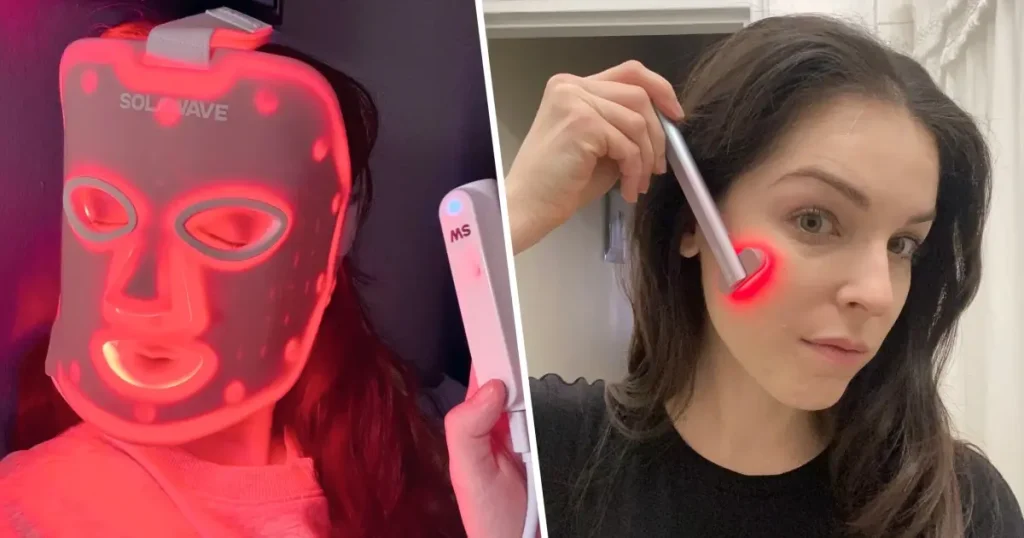

Flexible medical-grade silicone masks contour better to the face for even light distribution, comfort during longer sessions, and better fit across face shapes. Hard shell/rigid masks often pack more LEDs in fixed positions but can feel less comfortable or create pressure points. In 2026, flexible designs dominate top-rated home-use options for daily practicality.
LED panels are larger, stationary devices for broader coverage (full face, neck, body, or even hair/scalp), often with higher irradiance and deeper penetration for systemic benefits like circulation or recovery. Masks are compact, hands-free, and optimized for targeted facial use with direct skin contact (better light absorption in shorter sessions).
Panels suit multi-area or whole-body goals but require standing/sitting still and longer treatments (due to distance). Masks win for pure facial skincare convenience and consistency—ideal if your focus is anti-aging or texture on the face alone.

At-home masks emphasize accessibility and frequency (daily/near-daily possible), leading to steady progress over months. Clinic treatments deliver superior power and precision for accelerated results but are less frequent and more expensive. Consistency at home often matches or exceeds sporadic clinic visits for maintenance.
Wireless masks (battery-powered) offer full freedom—multitask, move around, or relax without cords—making them far more convenient for busy routines. Wired models provide consistent power (no battery fade) and are often cheaper, but the cord limits mobility and can feel restrictive.
In 2026, most premium FDA-cleared masks are wireless with strong battery life (2–3+ hours per charge), making them the preferred choice unless budget is a major factor.

FAQs About Red Light Therapy Mask 2026
Do red light therapy masks really work?
How often should I use a red light therapy mask?
How long does it take to see results from a red light therapy mask?
Are red light therapy masks safe? What are the side effects?
Are red light therapy masks suitable for sensitive skin or conditions like rosacea?
Can I use a red light therapy mask every day? Is it safe?
Can red light therapy masks cause side effects or harm my eyes?
Why do some people see no results from red light therapy masks?
Is it safe to use a red light therapy mask during pregnancy?
Can I combine red light therapy with other skincare treatments?
What's the difference between red light masks and other LED colors (blue, green, etc.)?
Should I buy a flexible silicone mask or a hard shell one?
Please fill in your email in the form and we’ll get back to assist you soon!